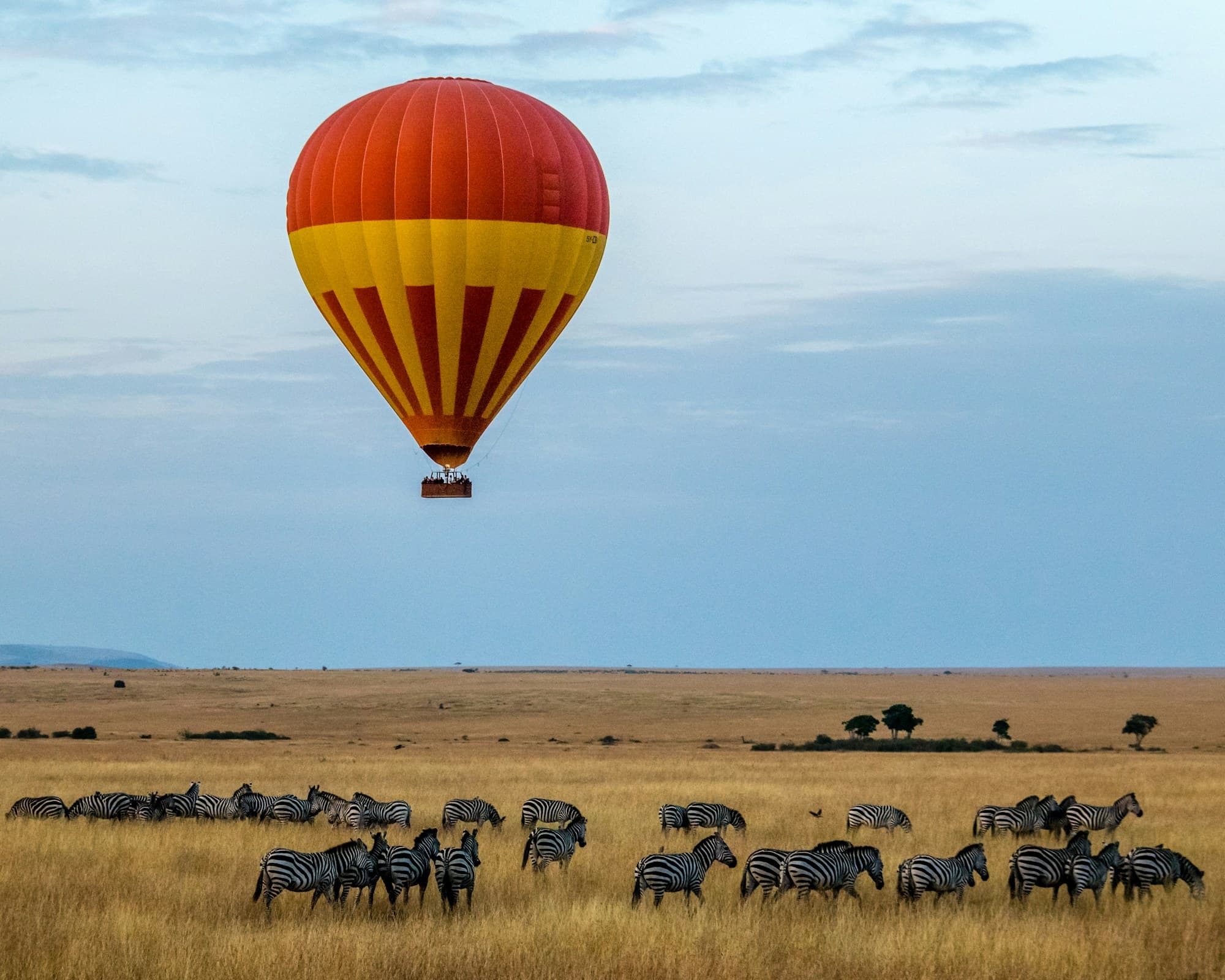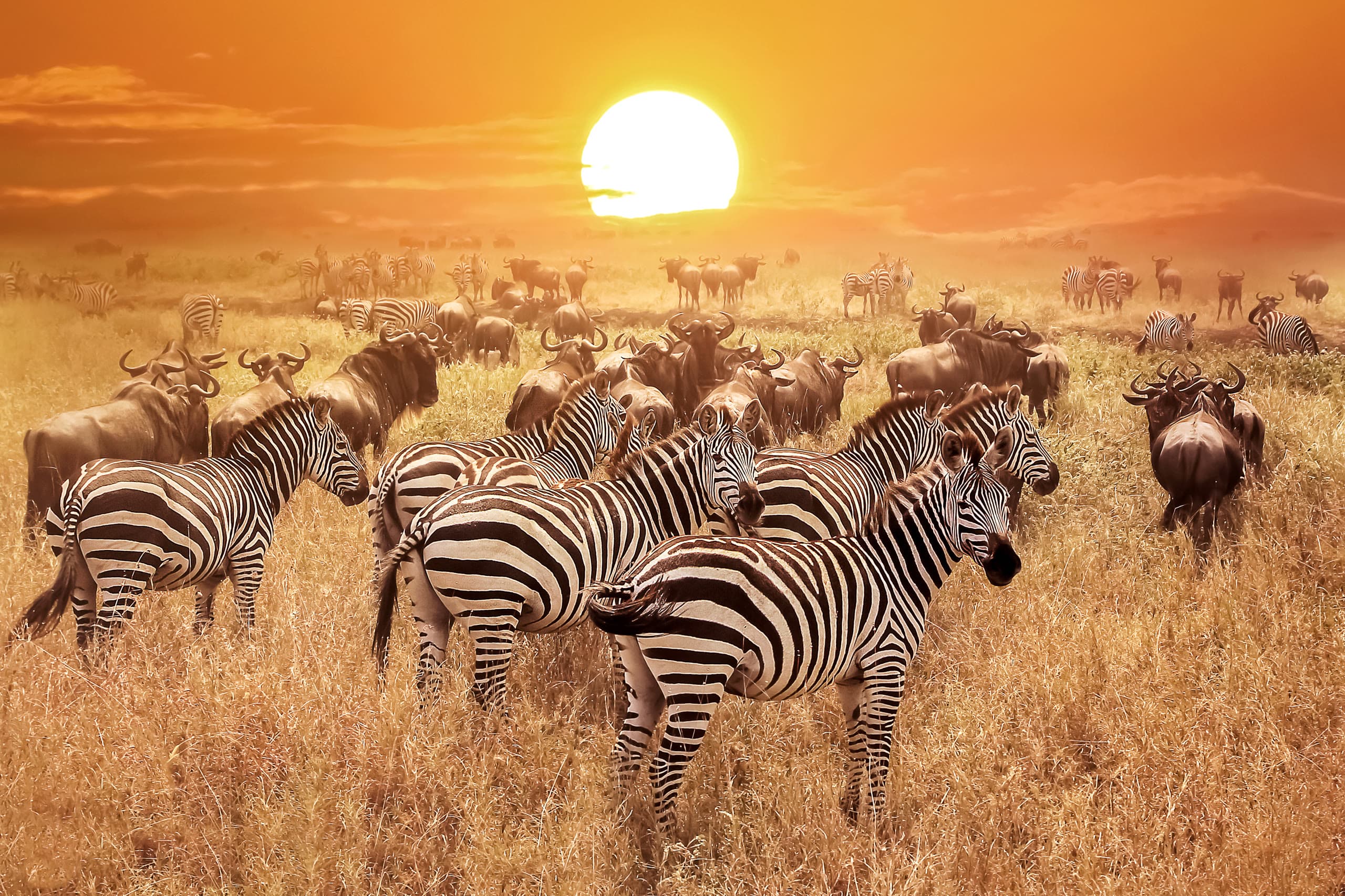
Zebra and wildebeest herds grazing at golden sunset during the Great Migration

Private Tanzania safari

9-Day Great Migration Private Safari

9 daysPrivate safariTanzaniaIndividually quoted

The Great Migration does not keep a timetable, so neither does this journey. Your final four nights are set where the wildebeest are most likely to be when you travel.

Customize This Journey
Duration9 days · 8 nights
Best monthsYear-round — routed to the herds
Comfort levelsPremium · Luxury · Ultra-Luxury
RouteArusha · Ngorongoro Crater · Central Serengeti · Northern Serengeti
Best forTravelers who want the migration at the center of the trip, whatever month they can travel
Trip typePrivate safari

Roughly 1.5 million wildebeest, with hundreds of thousands of zebra and gazelle, circle the Serengeti ecosystem each year in search of fresh grass. Their route follows the rain, and this journey is designed to follow them. The first half is fixed: a night in Arusha, an afternoon on the Ngorongoro Crater floor and two nights in the central Serengeti. The second half, four nights in a seasonal camp, is set where recent movements suggest the herds will be.

In practice, that usually means Ndutu and the southern plains for calving between December and March, the Western Corridor around the Grumeti River from roughly May to July, and the northern Serengeti for Mara River crossings from July to October. Our Great Migration guide explains the cycle month by month. Nothing about the herds is certain, but placing yourself well gives you the best chance.

Why this route works

The migration spreads across a huge area, so the smart move is to arrive rested and let the herds decide the second half. The crater and Seronera make a fixed first half that works in any month, with big cats and a chance of rhino while your guide gathers the latest word on herd movements. Then you move to the seasonal camp: by road to Ndutu or the Western Corridor, or by a short flight north. Four nights there allow patience, which matters when a river crossing can take all day to happen, or not happen at all.

Itinerary

Day by Day

A suggested flow — every day can be reshaped around you.

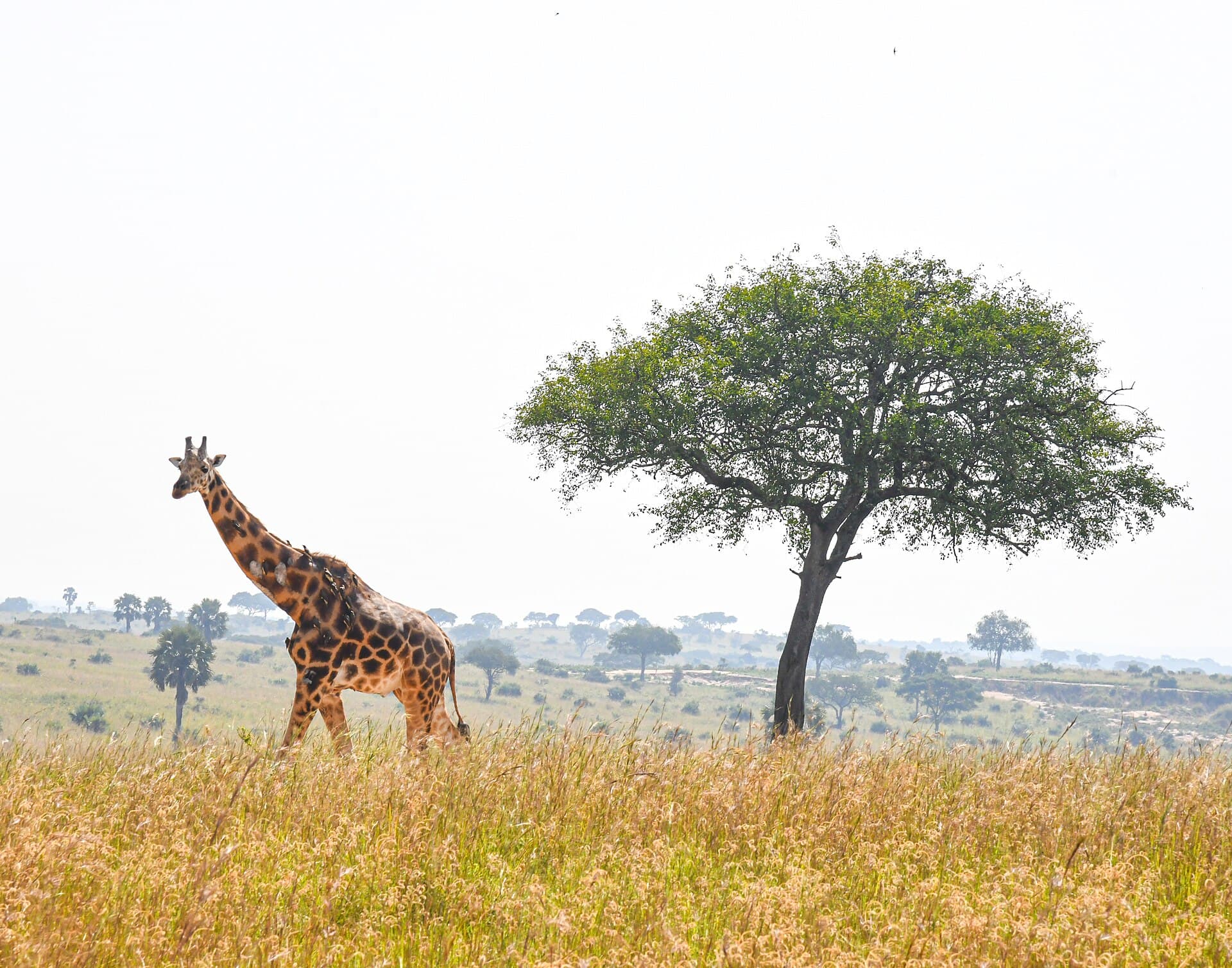
  1. A giraffe beside a lone acacia tree on the open savanna

    Day 1 · Arusha

    Arusha, Before the Herds

    Drive · Kilimanjaro International AirportArusha · about 1 hour

    You arrive at Kilimanjaro International Airport and are driven about an hour to Arusha for a night among the gardens and coffee estates at the foot of Mount Meru. It is a gentle landing: a hot shower, dinner and a proper night’s sleep before the journey west. Your guide briefs you on where the herds were last reported and how that shapes the second half of your trip. If you are carrying heavy camera gear, this is the moment to repack for light-aircraft limits, which typically allow around 15 kg (33 lb) each, packed in a soft bag.

    • Airport meet-and-greet
    • Migration briefing with your guide
    • Luggage check for light-aircraft flights
    Overnight
    Arusha
    Meals
    Dinner
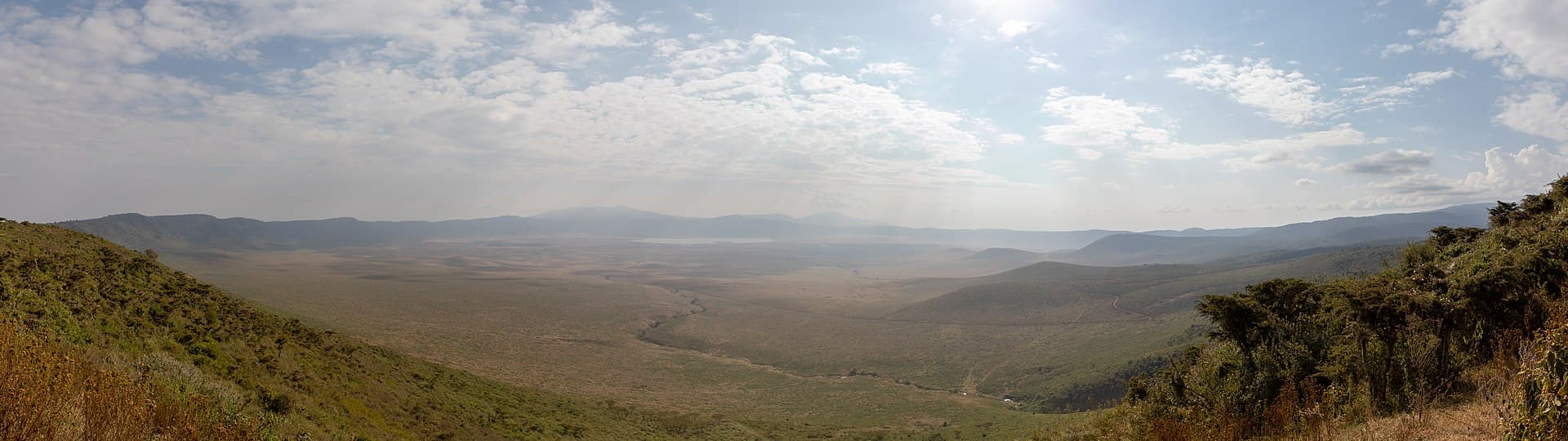
  2. View across the Ngorongoro Crater floor from the forested rim

    Day 2 · Ngorongoro Crater

    An Afternoon on the Crater Floor

    Drive · ArushaNgorongoro Crater · about 3–3.5 hours

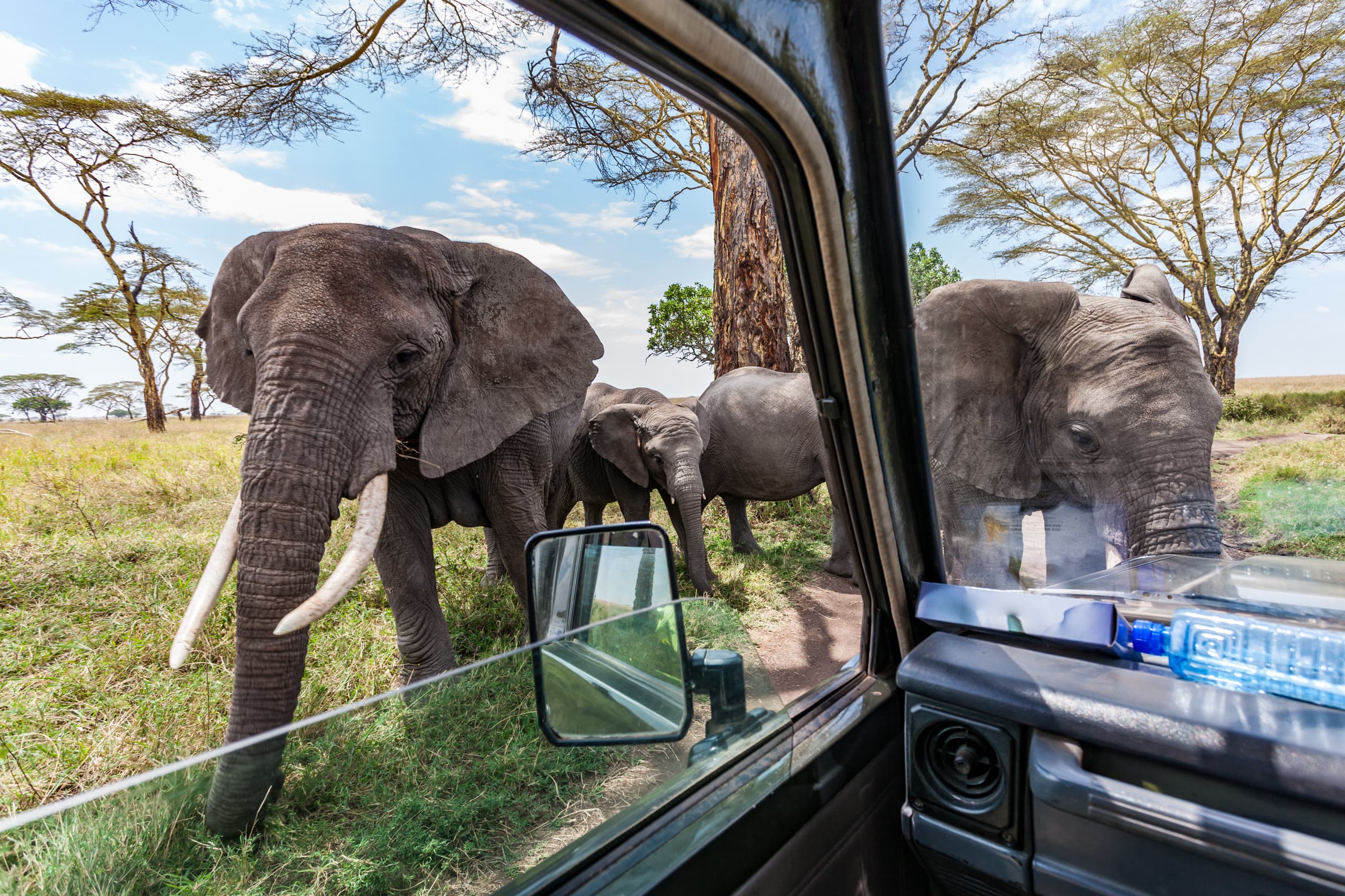
    Leave Arusha after breakfast and drive west into the Rift Valley and up into the highlands, about 3–3.5 hours to the crater rim. After lunch you descend into the caldera as many morning visitors are heading out and the light begins to soften. The floor is a self-contained world of short grass, soda lake and fever-tree forest, where lions, hyenas and buffalo live year-round and black rhino are occasionally seen, usually at a distance. You climb back out before the gate closes and spend the night in the cool highlands.

    • Scenic drive through the Rift Valley
    • Afternoon game drive on the crater floor
    • Evening in the highlands
    Overnight
    Ngorongoro highlands
    Meals
    Breakfast, lunch & dinner
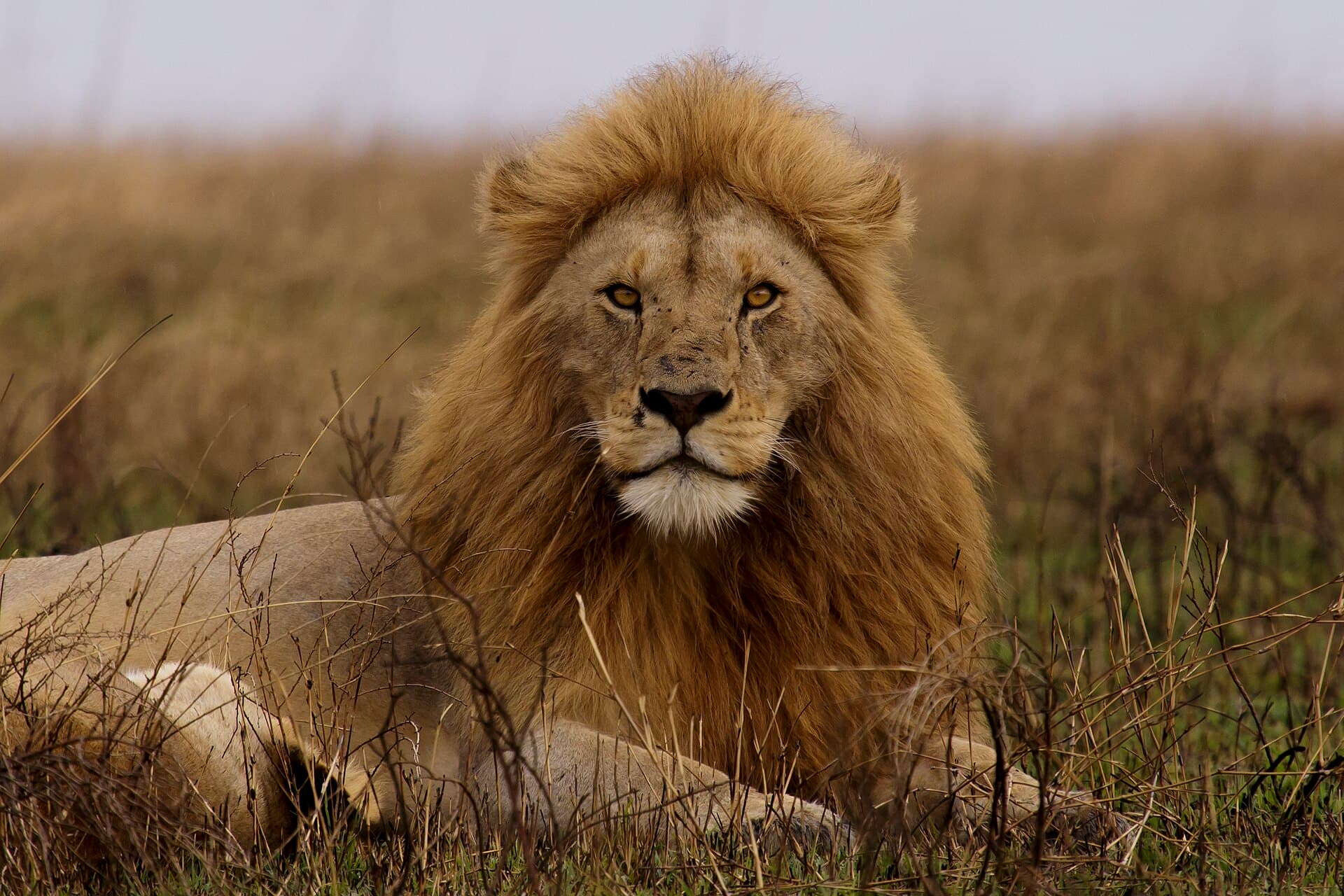
  3. A male lion resting in golden grass in the Serengeti

    Day 3 · Central Serengeti

    West Onto the Plains

    Drive · Ngorongoro highlandsCentral Serengeti (Seronera) · about 3–4 hours with game viewing

    The road out of the highlands winds down through Maasai grazing country, past volcanic hills and bomas ringed with thorn fences, to the plains where the Serengeti begins. Naabi Hill Gate is the classic lunch stop, with a view that explains the park’s name, taken from the Maa word siringet, often translated as the place where the land runs on forever. From there it is a game drive north to Seronera, following whatever is moving. In December–March, when the herds are usually close, your guide may detour to meet them on the way.

    • Picnic lunch at Naabi Hill Gate
    • Game drive across the southern plains
    • Arrival drive through the Seronera valley
    Overnight
    Central Serengeti
    Meals
    Breakfast, lunch & dinner
  4. Day 4 · Central Serengeti

    The Predators of Seronera

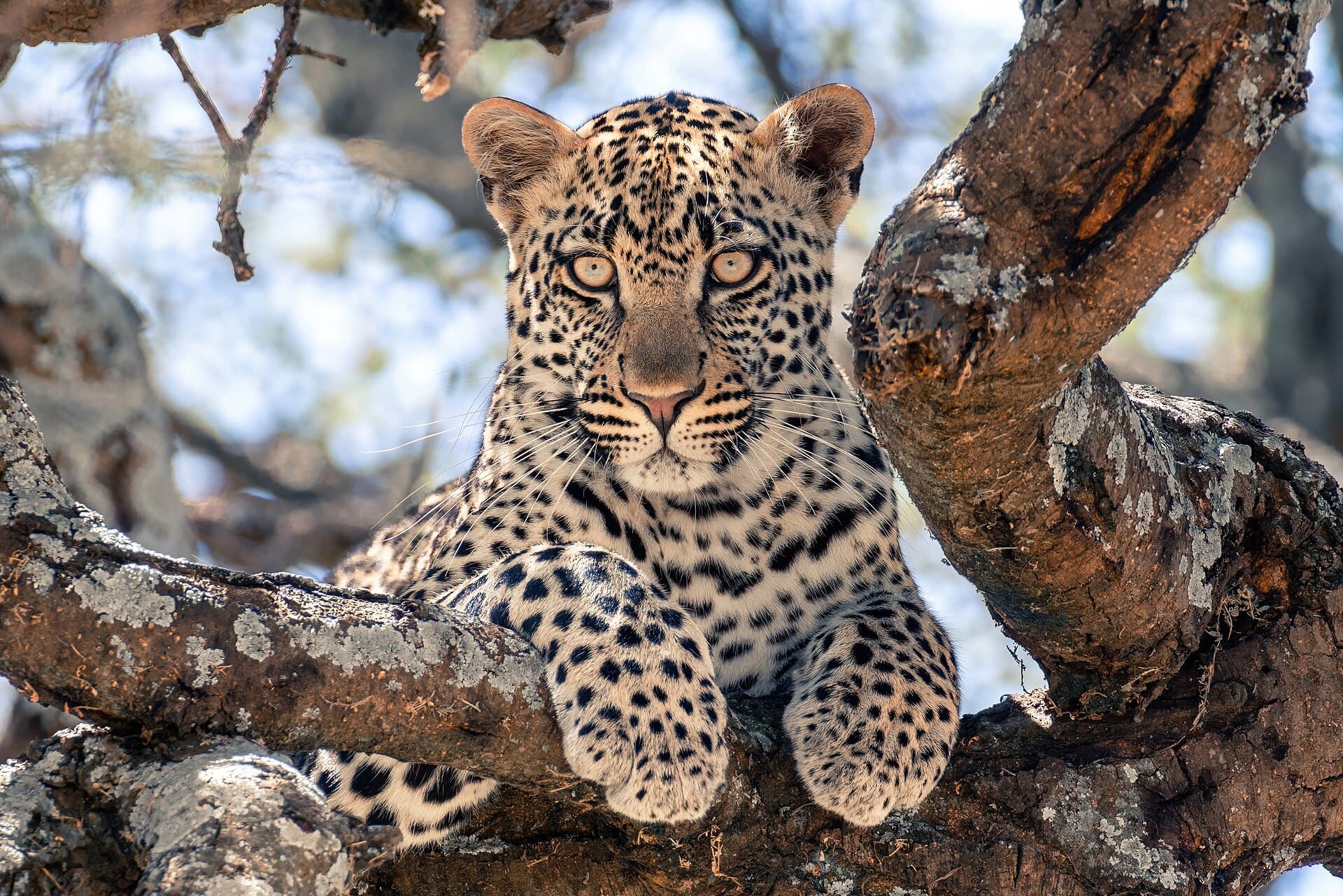
    Your one full day in the central Serengeti is about the resident predators, which stay here whatever the herds are doing. Your guide will likely start along the rivers, where leopards drape themselves over branches, then check the kopjes for lions and the open grass for cheetahs. If you have booked the balloon, you fly at dawn over the Seronera valley before joining the drive. All day, your guide swaps news with other guides about where the herds are grazing, which fine-tunes tomorrow’s move.

    • Full-day predator-focused game drive
    • Optional dawn balloon flight
    • Picnic lunch in the bush
    Overnight
    Central Serengeti
    Meals
    Breakfast, lunch & dinner
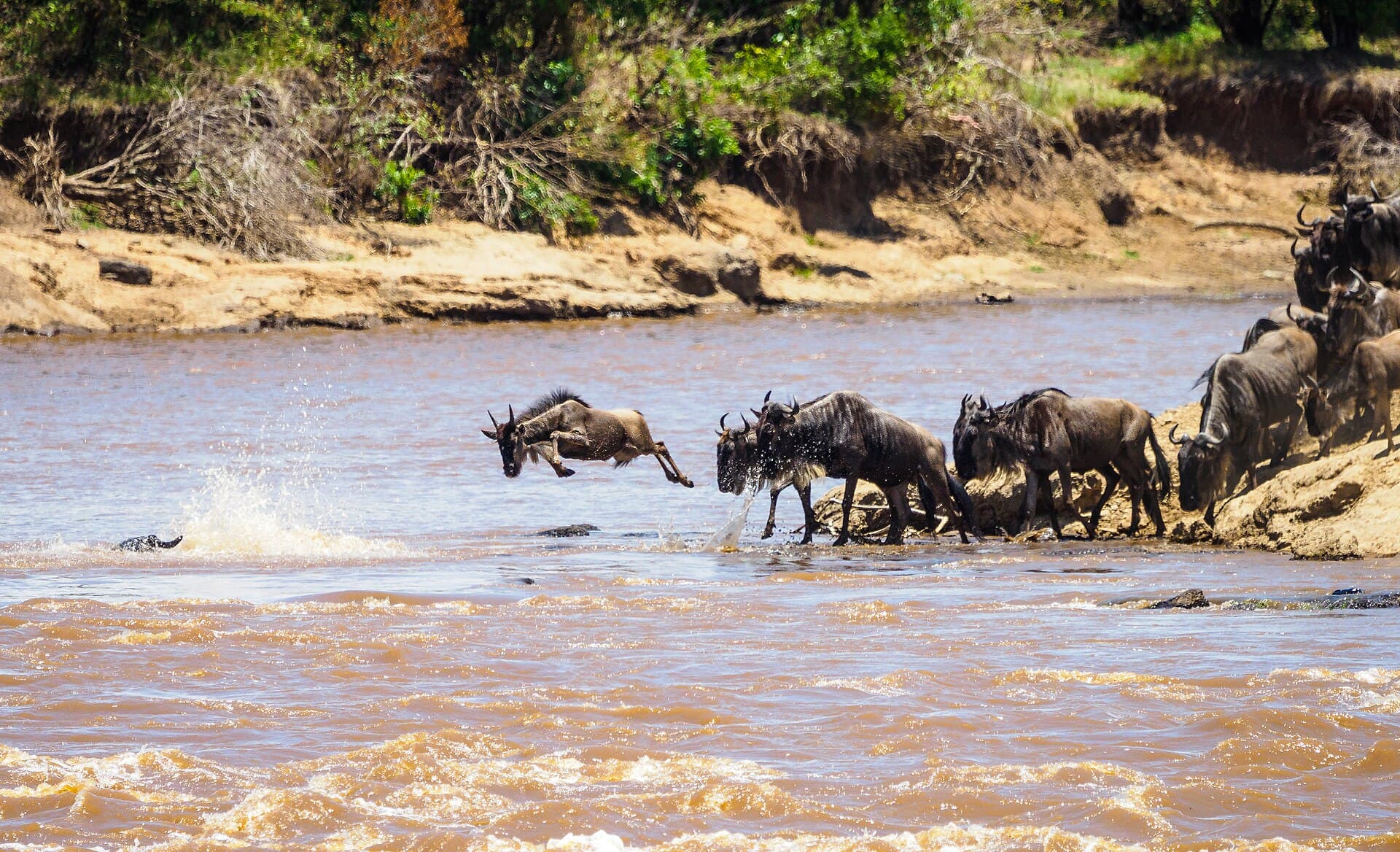
  5. Wildebeest leaping into the Mara River during the Great Migration crossing

    Day 5 · Northern Serengeti

    Moving to the Migration

    Flight · Seronera airstripKogatende, northern Serengeti (July–October) · about 1 hourIn other seasons you drive roughly 2–3 hours to Ndutu or the Western Corridor instead.

    Today you move to your seasonal camp. From July to October that means the northern Serengeti near the Mara River, reached by a light-aircraft flight of about an hour, or a long day on the road with game viewing. From December to March the camp is usually near Ndutu, roughly 2–3 hours’ drive south, and from about May to July it is the Western Corridor near the Grumeti River, a similar distance west. In transition months, we choose the area from the latest reports. Either way, you arrive with an afternoon among the herds ahead.

    • Transfer to your seasonal migration camp
    • Afternoon game drive with the herds
    Overnight
    Seasonal migration camp
    Meals
    Breakfast, lunch & dinner
  6. Day 6–8 · Northern Serengeti

    Living With the Herds

    Three full days give you the patience that migration viewing demands. In the north, you spend long mornings near the Mara River as wildebeest mass on the banks, sometimes crossing within minutes and sometimes turning back after hours of hesitation. Your guide keeps a respectful distance so the herds are never blocked from the water. At Ndutu the drama is on the plains, with newborn calves and the lions and cheetahs that follow them; in the Western Corridor, large crocodiles wait in the Grumeti’s pools. Nights bring the grunting of wildebeest close to camp.

    • Full days following the herds
    • Patient river-crossing watches in season
    • Optional bush breakfast
    • Optional dedicated photographic vehicle
    Overnight
    Seasonal migration camp
    Meals
    Breakfast, lunch & dinner
  7. Day 9 · Northern Serengeti

    Out by Light Aircraft

    Flight · Kogatende, Ndutu or Grumeti airstripArusha · about 1–2 hours, depending on stops

    After a final early drive, you head to the nearest airstrip — Kogatende in the north, Ndutu in the south or a Western Corridor strip near the Grumeti — for a scheduled flight to Arusha. From the air you can often trace migration trails worn into the grass as thin dark lines. Flights take roughly 1–2 hours, depending on the airstrip and any stops to collect passengers. In Arusha you are met for the road transfer to Kilimanjaro International Airport, or you can connect onward to Zanzibar.

    • Final early game drive
    • Scheduled light-aircraft flight to Arusha
    • Transfer to Kilimanjaro International Airport
    Meals
    Breakfast

Lodges

Where You’ll Stay

Choose a comfort level to see the stay style for each part of the journey. We match specific camps to your dates and availability.

Refined camps and lodges — often with plunge pools, fine dining and the very best positions.

  1. 1 night · Arusha

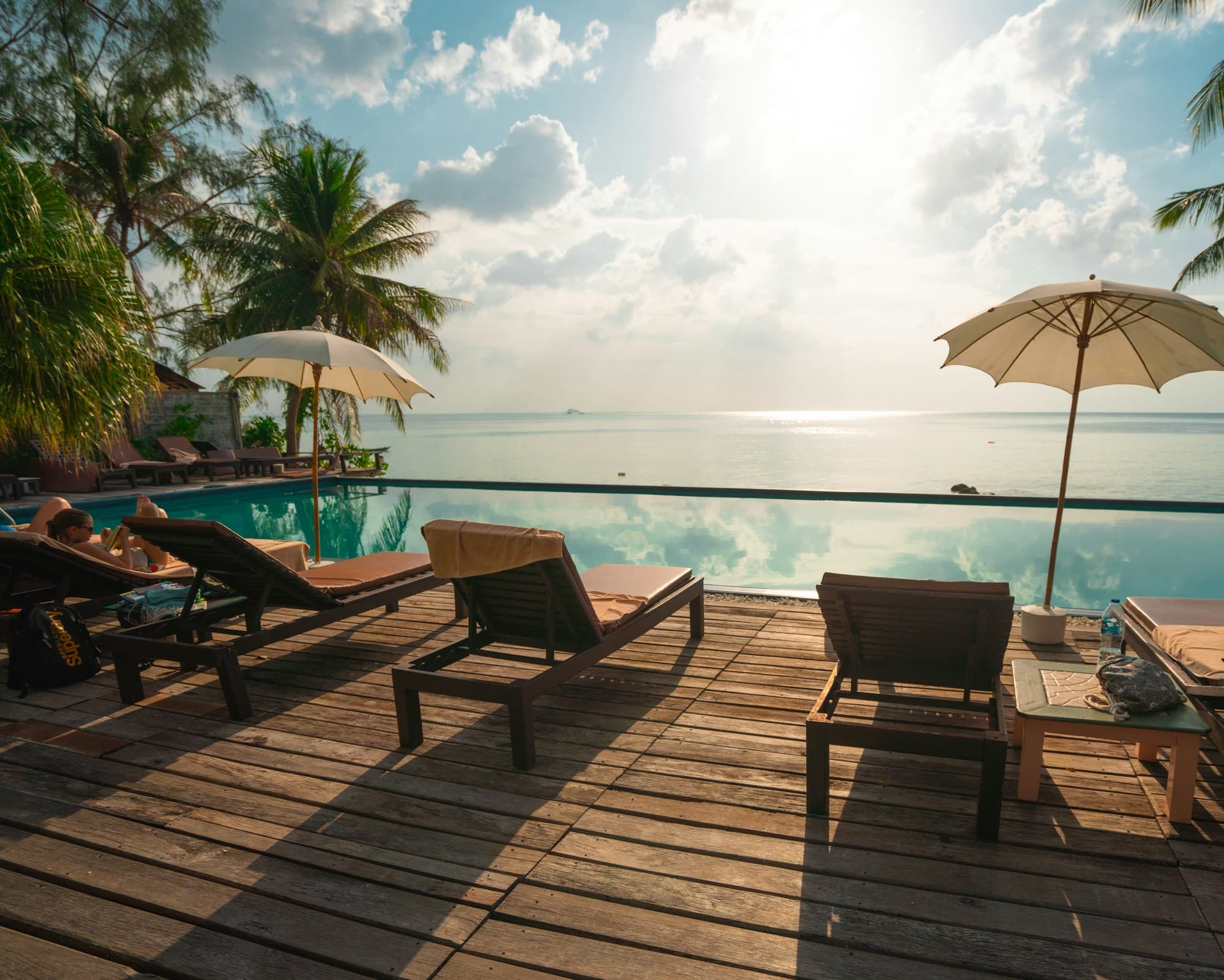
    Luxury lodge deck with loungers and umbrellas at golden hourLuxury

    Arusha · foothills of Mount Meru

    Foothills Luxury Estate

    Lodge

    • Large suites with verandas and often a fireplace
    • Spa and pool at many, for the day after a long flight
    • Estate walks, with canoeing or horse riding nearby at some
  2. 1 night · Ngorongoro

    View across the Ngorongoro Crater floor from the forested rimLuxury

    Ngorongoro Crater rim

    Crater-Rim Lodge

    Lodge

    • Rooms or suites with crater views
    • Fireplaces or heating for cold highland nights
    • Early breakfasts or picnic boxes for the first descent
  3. 2 nights · Central Serengeti

    Luxury lodge deck with loungers and umbrellas at golden hourLuxury

    Central Serengeti

    Plains-View Luxury Lodge

    Lodge

    • Spacious suites with private terraces
    • Pool with views across the plains
    • Spa treatments at some
  4. 4 nights · Seasonal migration camp

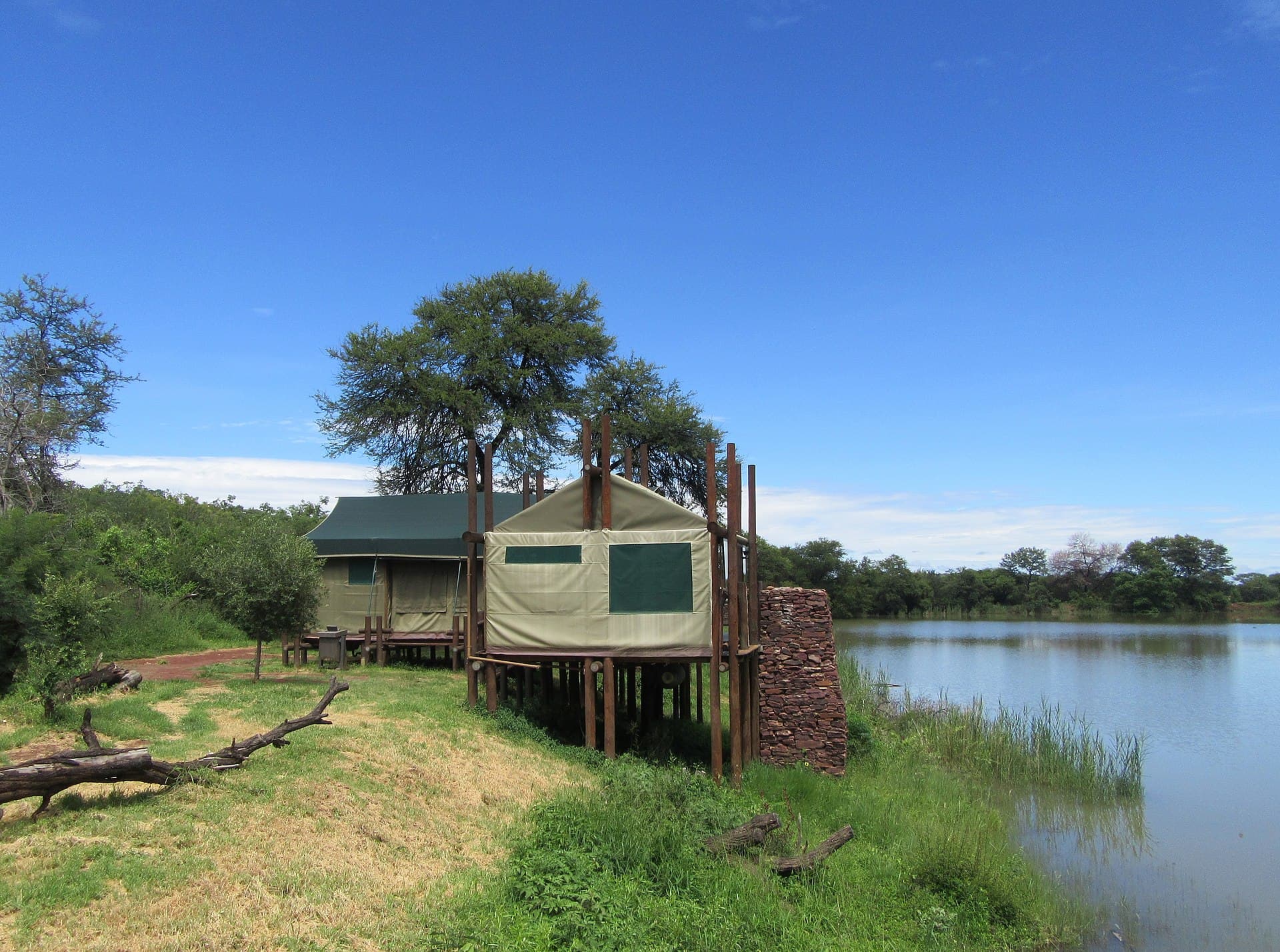
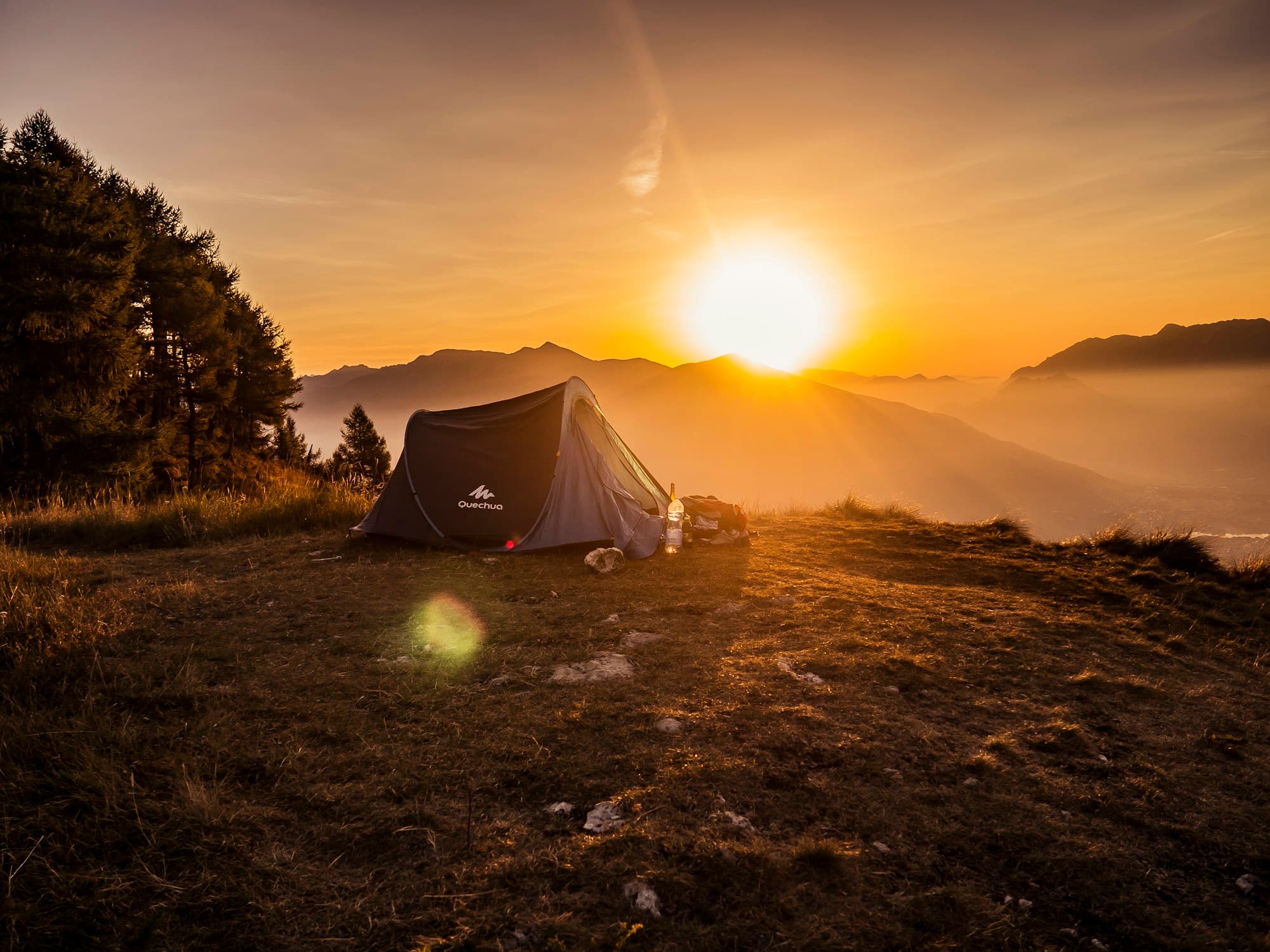
    A canvas safari tent set among trees at a private tented campLuxury

    Northern Serengeti · Mara River

    Far-North Luxury Camp

    Tented camp

    • Spacious tented suites with river or plains views
    • Private decks, with plunge pools at some
    • Full-day river outings with picnic lunches

Price

Price

Every private safari is priced for your dates, party and choices — here is what moves the number.

Individually quoted

Custom pricing based on your dates, comfort level, party size and routing.

  • SeasonPeak months (July–October, the festive season) sit at the top of the range; the green season (April–May) is noticeably softer.
  • Party sizeYour private vehicle and guide are shared across your party — the per-person cost typically falls as your group grows from two to four or six.
  • Comfort levelMoving from Comfort to Ultra-Luxury changes the nightly rate more than any other choice.
  • RoutingFlying the long legs saves hours on the road and adds light-aircraft fares; driving keeps costs lower.

What’s Included

  • Private 4×4 safari vehicle with pop-up roof and a professional driver-guide
  • Accommodation at your chosen comfort level
  • Meals as listed day by day
  • Park, conservation and crater fees for the itinerary
  • Airport meet-and-greet and all road transfers
  • Drinking water on game drives
  • On-the-ground support from our Tanzania team
  • Four nights in a seasonal camp chosen for the herds’ likely position
  • Light-aircraft flight from Seronera to the northern Serengeti in July–October
  • Light-aircraft flight from the migration area back to Arusha
  • Afternoon private descent into the Ngorongoro Crater

Not Included

  • International flights
  • Visa fees
  • Travel and medical insurance (strongly recommended)
  • Gratuities for guides and camp staff
  • Premium drinks and personal expenses
  • Hot-air balloon flight (optional add-on)
  • Dedicated photographic vehicle (optional upgrade)
  • Bush breakfast (optional add-on)
  • Flights beyond those listed, such as the Serengeti to Zanzibar

A typical inclusion list — your written proposal itemizes exactly what is and isn’t included.

Activities

Activities & Add-Ons

Included experiences and optional upgrades for this journey.

Included

Getting around

Fly-In Safari

Light aircraft handle the longest legs, including the flight home.

Tented camp glowing at sunrise over golden hillsOptional

Bush dining

Bush Breakfast

Breakfast on the plains, so you need not leave the herds.

Map

Route Map

Route map: Arusha · Ngorongoro Crater · Central Serengeti · Northern Serengeti1Kilimanjaro Airport2Arusha3Ngorongoro Crater4Central Serengeti5Northern Serengeti
By roadBy air

Approximate locations — not for navigation.

How This Journey Changes Through the Year

December–March
Your final nights are usually near Ndutu for calving, which tends to peak around February. Predator activity is intense and afternoon showers are common; exact timing depends on the short rains.
June–July
Herds often move through the Western Corridor, where Grumeti River crossings are possible around June. As July goes on, many head north, and your camp may be placed to match.
July–October
The northern Serengeti and the Mara River are the focus, with crossings possible throughout, though never on a schedule. This is peak season, so book early for the best-placed camps.

Make It Yours

  • Extend the migration camp to five or six nights for more crossing chances
  • Split the final nights between two areas in a transition month
  • Fly from the highlands to Seronera to shorten day 3
  • Add a dedicated photographic vehicle for crossing days
  • Finish with four nights on Zanzibar, flying from the Serengeti

Good to know

Frequently asked questions

Where will my migration camp be?

It depends on when you travel. Roughly, December–March points to Ndutu and the southern plains, June–July to the Western Corridor and July–October to the northern Serengeti near the Mara River. We choose the area when you book, based on seasonal patterns, and mobile camps may shift as the season unfolds.

Can you promise a river crossing?

No one honestly can. Herds may cross several times in a day or hesitate on the bank for days, depending on rain, grazing and predators. Four nights near the river with full days out give you a realistic chance in July–October, and the herds are remarkable even without a crossing.

How much time is spent traveling?

The first days include two drives of about 3–4 hours each, both through country that doubles as game viewing. The move to your migration camp is either a flight of about an hour or a drive of roughly 2–3 hours, and you fly out at the end, so there is no long return journey by road.

What are the premium, luxury and ultra options for the migration camp?

Premium uses a seasonal mobile camp with comfortable en-suite tents placed close to the action. Luxury moves you to a larger tented camp with more space and polished service, and ultra to the most exclusive camps and lodges, some with plunge pools and views over the river or plains. The exact camp changes with the season, but the style at each level stays consistent.

What affects the cost of a migration safari?

Season is the biggest factor: July–October is peak demand in the north, and calving season has its own busy period around February. Camp level, the number of flights and your group size matter too, and the safari cost guide walks through how quotes are built.

Safaris

Similar Tanzania Safaris

View across the Ngorongoro Crater floor from the forested rim
9 daysComplete introduction

Tanzania Northern Circuit

Arusha · Tarangire · Ngorongoro Crater · Olduvai Gorge · Central Serengeti

First-time travelers who want the complete northern circuit, with room to breathe

Best months
June – March, routed to the season
Comfort levels
Comfort · Premium · Luxury · Ultra-Luxury
Individually quoted
A leopard resting in the fork of a tree in the Serengeti
8 daysJan–Mar

Calving Season Safari

Arusha · Ngorongoro Crater · Olduvai Gorge · Ndutu

Wildlife photographers and returning travelers who want newborn calves and predator action

Best months
Late December – March (calving peaks around February)
Comfort levels
Comfort · Premium · Luxury
Individually quoted
Wildebeest leaping into the Mara River during the Great Migration crossing
10 daysJul–Oct

Northern Serengeti River Crossing

Arusha · Tarangire · Ngorongoro Crater · Central Serengeti · Northern Serengeti

Travelers set on seeing a river crossing, with the patience to wait for one

Best months
July – October
Comfort levels
Premium · Luxury · Ultra-Luxury
Individually quoted
Zebra and wildebeest herds grazing at golden sunset during the Great Migration

Customize This Journey

Tell us your dates, who is traveling and your preferred comfort level. A safari specialist will tailor this route around you — nothing is booked until you approve every detail.

Customize This Journey