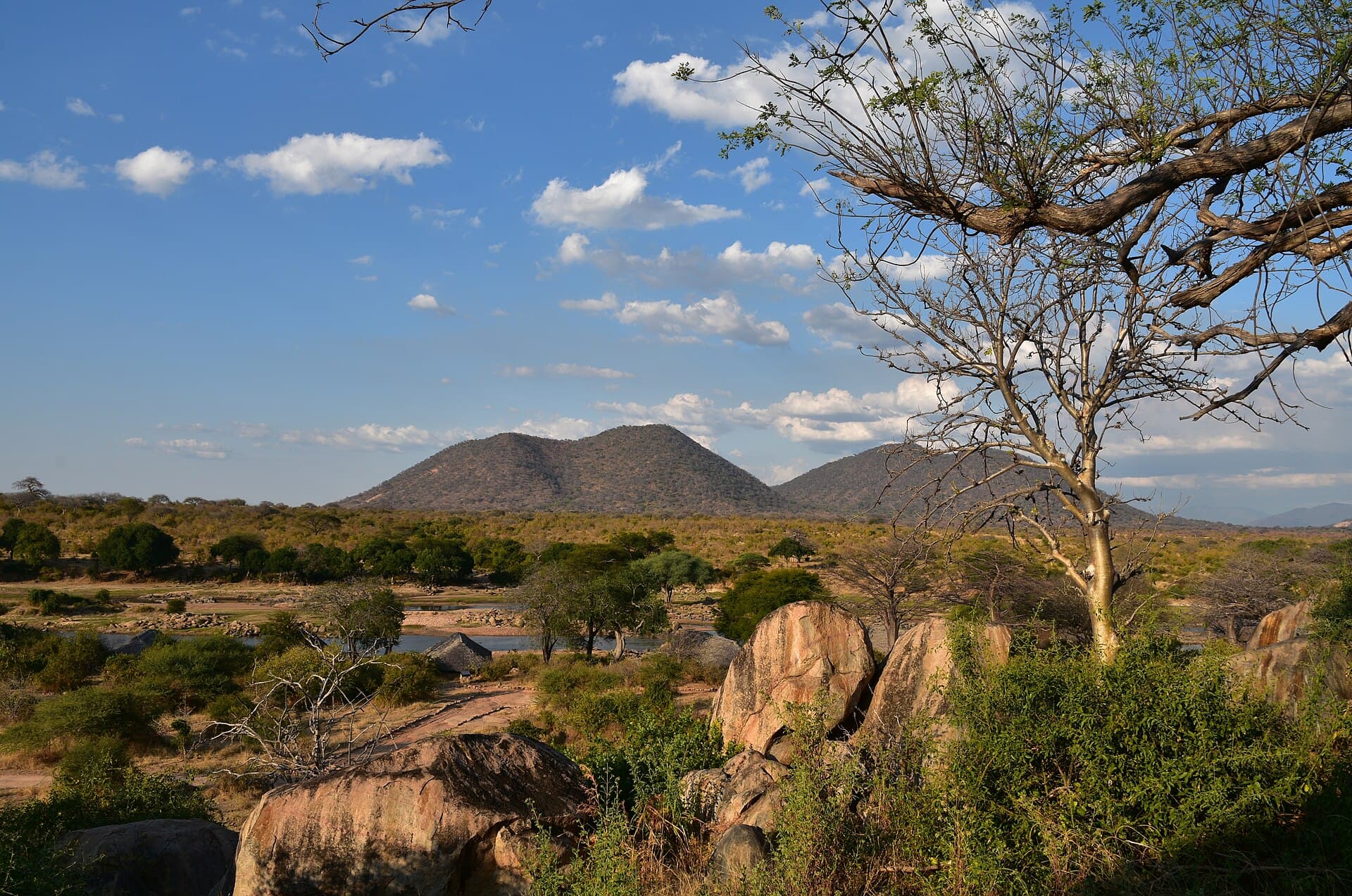
Wild kopje-studded savanna of Ruaha National Park

Tanzania park guide

Ruaha National Park Safaris

Baobab-studded wilderness along the Great Ruaha River — big lion prides, elephant herds and both kudu species, with few other vehicles in sight.

SizeAbout 20,000 km² — one of Tanzania’s largest national parks
Best timeJune–October; many camps close in the long rains (roughly March/April–May)
Recommended stay3–4 nights; 5–6 with a second camp or walking bush camp
Getting thereLight aircraft from Dar es Salaam, Nyerere, Zanzibar or Arusha; a long road trip via Iringa
Known forLarge lion prides, elephants, greater and lesser kudu, baobabs
Best forReturn safari-goers, walkers and photographers seeking solitude

Ruaha National Park

Why Visit

Ruaha is where a Tanzanian safari still feels the way many people imagine one did a generation ago. At about 20,000 km² it is one of the country’s largest national parks, yet it receives a small fraction of the northern circuit’s visitors. You can spend a morning with a lion pride on a dry riverbed and not pass another vehicle until lunch.

The landscape does much of the work. Ancient baobabs stand over rocky hills, the Great Ruaha River shrinks to pools and sandbanks as the dry season deepens, and wildlife is drawn to the remaining water in impressive numbers. The park lies where East African and southern African habitats meet, so greater and lesser kudu can turn up on the same drive, with sable and roan antelope possible in the miombo woodland — though both are elusive.

Ruaha rewards time rather than a quick visit. Plan three or four nights, ideally paired with Nyerere’s boat trips on the Ruaha & Nyerere wilderness safari. Most visitors arrive by light aircraft, and the camps we recommend are small and unfenced, built around long game drives, walking safaris with an armed ranger and quiet evenings by the fire. Distances between sightings can be long, which is part of the appeal: when something happens, you usually have it to yourself.

Best for

  • Second and third safaris
  • Walking safaris with an armed ranger
  • Big cats and elephants without the crowds
  • Photographers who want space and uncluttered scenes
  • Pairing with Nyerere on a southern-circuit journey

Ruaha National Park

Wildlife & Highlights

  • Lions — Ruaha is known for large prides, some of which tackle buffalo and even giraffe
  • Elephants, often digging in the sand rivers for water in the dry season
  • Greater and lesser kudu — one of the few parks where both are regularly seen
  • Sable and roan antelope in the miombo woodland (elusive)
  • African wild dog — packs roam widely; sightings are possible but unpredictable
  • Leopard, most often in riverine thickets and rocky outcrops
  • Cheetah on the more open plains (seen occasionally)
  • Spotted hyena and black-backed jackal
  • Buffalo, Masai giraffe, zebra, impala and Grant’s gazelle
  • Hippos and Nile crocodiles in the Great Ruaha’s pools
  • Birdlife — well over 500 species recorded, including the Tanzanian red-billed hornbill

Season

Best Time to Visit

  1. January
  2. February
  3. March
  4. April
  5. May
  6. June
  7. July
  8. August
  9. September
  10. October
  11. November
  12. December
June–OctoberPeak dry season. Vegetation thins, the river retreats to pools and wildlife concentrates on the remaining water. Days are warm and nights cool at first; September and October bring the most intense viewing, and the most heat.
November–FebruaryThe green season. Short rains arrive roughly in November, often followed by a warmer, drier spell around January–February. The bush turns lush, migrant birds arrive and many antelope give birth; fewer camps are open and the park is at its quietest.
March–MayThe long rains. Many camps close from roughly March or April until late May, some tracks become impassable, and we generally steer travelers toward other months.

Ruaha National Park

Areas to Know

Great Ruaha River & Msembe

The Great Ruaha River runs along the park’s south-eastern edge, and the stretch around Msembe, the park headquarters, is where most visitors begin. As the dry season deepens the river breaks into channels and pools, drawing elephants, buffalo, hippos and crocodiles, along with the predators that follow them. Baobab-studded hills slope down to the water, giving you classic views across the valley, and the main airstrip is close by.

Best for: First days in Ruaha, river scenes and elephant herds

Mwagusi sand river

The Mwagusi is a seasonal sand river that feeds into the Great Ruaha. For much of the dry season it is a broad ribbon of sand, and elephants dig into it for the water lying just below the surface — which in turn draws everything else. Lion prides often patrol its banks, leopards use the fringing trees, and some of Ruaha’s most sought-after camps sit along its course. Game drives here can be exceptional.

Best for: Big cats, elephants and predator action

Jongomero & the remote west

South-west of Msembe, along the Jongomero sand river, Ruaha feels emptier still. Game can be thinner than along the Mwagusi, but you may go a full day without seeing another vehicle, and the miombo woodland here is where sable and roan are more often reported, though sightings remain unusual. The area has its own airstrip and suits a second camp on a longer stay or a walking-focused trip.

Best for: Solitude, walking and repeat visitors

Ruaha National Park

Getting There

Most travelers fly. Scheduled light-aircraft services link Ruaha with Dar es Salaam, Nyerere, Zanzibar and Arusha, usually landing at Msembe airstrip in the heart of the game-viewing area; charters reach Jongomero and other strips. By road, Ruaha is reached via the highland town of Iringa, itself a long drive from Dar es Salaam — scenic, but only worthwhile if you have time to spare. Light-aircraft luggage is typically limited to about 15 kg (33 lb) per person in soft-sided bags.

Drive or fly?

Fly unless the road journey is part of the point. The drive from Dar es Salaam takes a full day or more, and the final stretch from Iringa is slow gravel; flying turns that into a couple of hours and delivers you straight into the game-viewing area. Driving can make sense if you are already in the southern highlands or on a long overland route. Between Ruaha and Nyerere, flying is by far the most practical option.

Airstrips

  • Msembe airstrip (park headquarters)
  • Jongomero airstrip

Typical drive times

Nyerere (by air)
about 1.5–2 hours by light aircraft
Dar es Salaam (by air)
roughly 1.5–3 hours by light aircraft, depending on stops
Arusha (by air)
roughly 2.5–4 hours by light aircraft, usually with a stop
Iringa (by road)
about 2.5–3 hours to the park gate
Dar es Salaam (by road)
about 10–12 hours, usually split with a night in Iringa

Stays

Where to Stay

Ruaha’s accommodation is small in number and big on setting: tented camps on the Great Ruaha and the sand rivers, a handful of permanent lodges, and seasonal bush camps built for walking. Most are unfenced, so an escort after dark is standard. We match you with the camps that suit your pace — river views, a walking focus, or a second, more remote base on a longer stay.

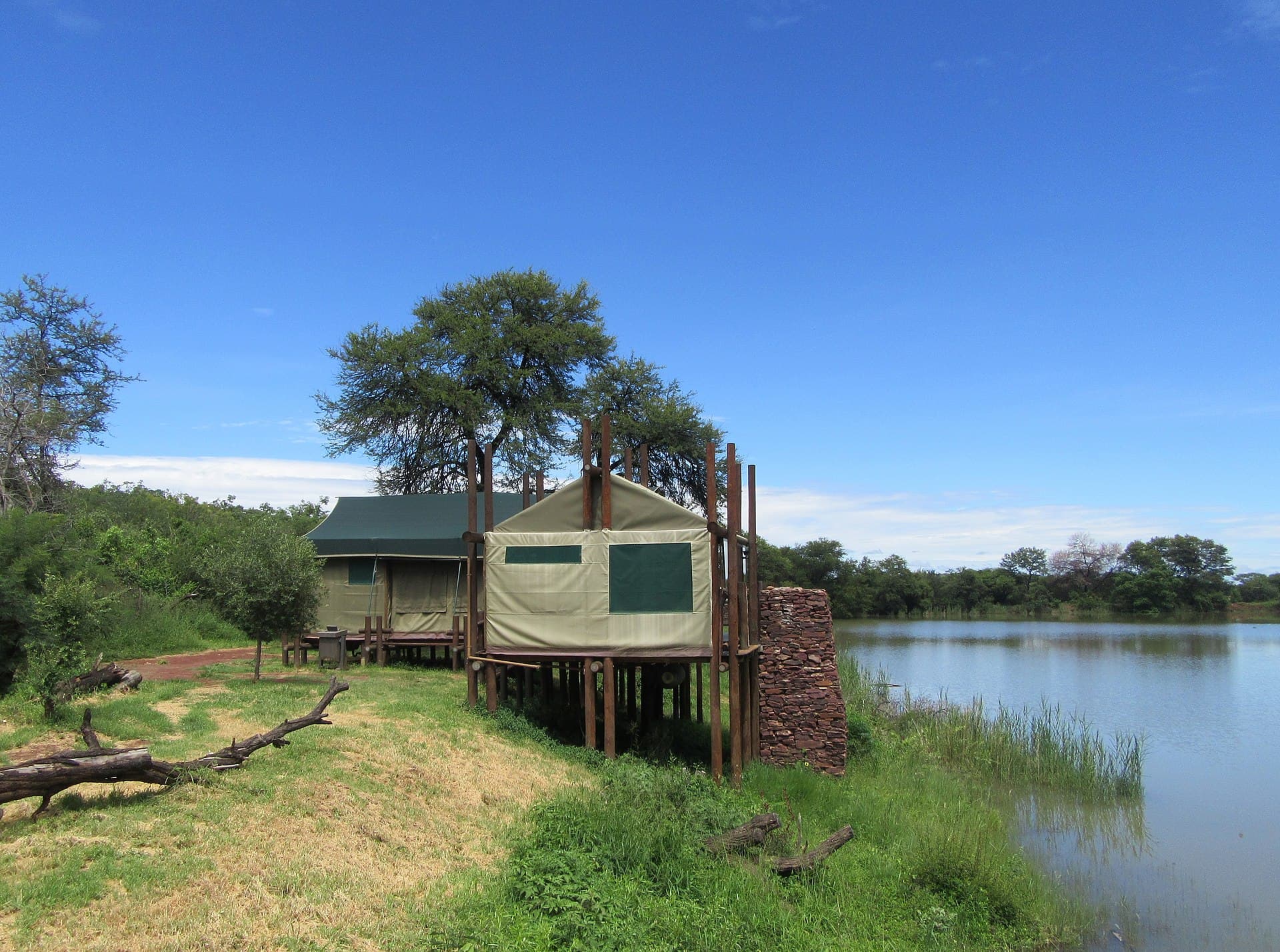
A canvas safari tent set among trees at a private tented campPremium

Ruaha · Great Ruaha River

Riverbank Tented Camp

Tented camp

Canvas tents along the Great Ruaha River look out over a wide, sandy riverbed where elephants often dig for water and large lion prides patrol the banks in the dry season. Ruaha sees relatively few visitors, so game drives here feel genuinely remote.

  • En-suite tents with river views
  • Walks with an armed ranger where permitted
  • Sundowners on the riverbank
  • Fly-in access by light aircraft

Ideal for: Photographers and returning travelers who want big predators and very few other vehicles
A canvas safari tent set among trees at a private tented campLuxury

Ruaha · sand-river valleys

Ruaha Luxury Tented Camp

Tented camp

Stylish tented suites look out over a seasonal sand river and Ruaha’s great baobabs, with wide verandas, outdoor showers and the deep quiet of Tanzania’s wild south. Days mix long game drives with walking safaris, and at night you may hear lions calling across the valley.

  • Spacious tented suites, often with outdoor showers
  • Walking safaris with an armed ranger
  • Plunge pools or a main pool at some
  • Private vehicle often available on request

Ideal for: Couples and seasoned safari-goers who want walking, big cats and real remoteness, with style

A canvas safari tent set among trees at a private tented campPremium

Ruaha · remote sand rivers

Sand-River Walking Camp

Bush camp · Typically open in the dry season only, roughly June–October

This small, simple bush camp sits deep in Ruaha’s sand-river country and is built around walking rather than driving. You walk with an armed ranger in the cool of the morning, rest through the heat, and sleep with only canvas between you and the night.

  • A few simple tents with bucket showers and eco toilets
  • Morning walks with an armed ranger
  • Afternoon game drives or sundowners on a sand river
  • Minimum ages usually apply for walking

Ideal for: Fit, curious travelers who want to experience Ruaha on foot, ideally with a safari or two behind them

Experiences

Experiences

Wild kopje-studded savanna of Ruaha National Park

On foot

Walking Safaris

Leave the vehicle behind and read the bush up close with an armed ranger — tracks, birdcalls and the thrill of being on foot in big-game country.

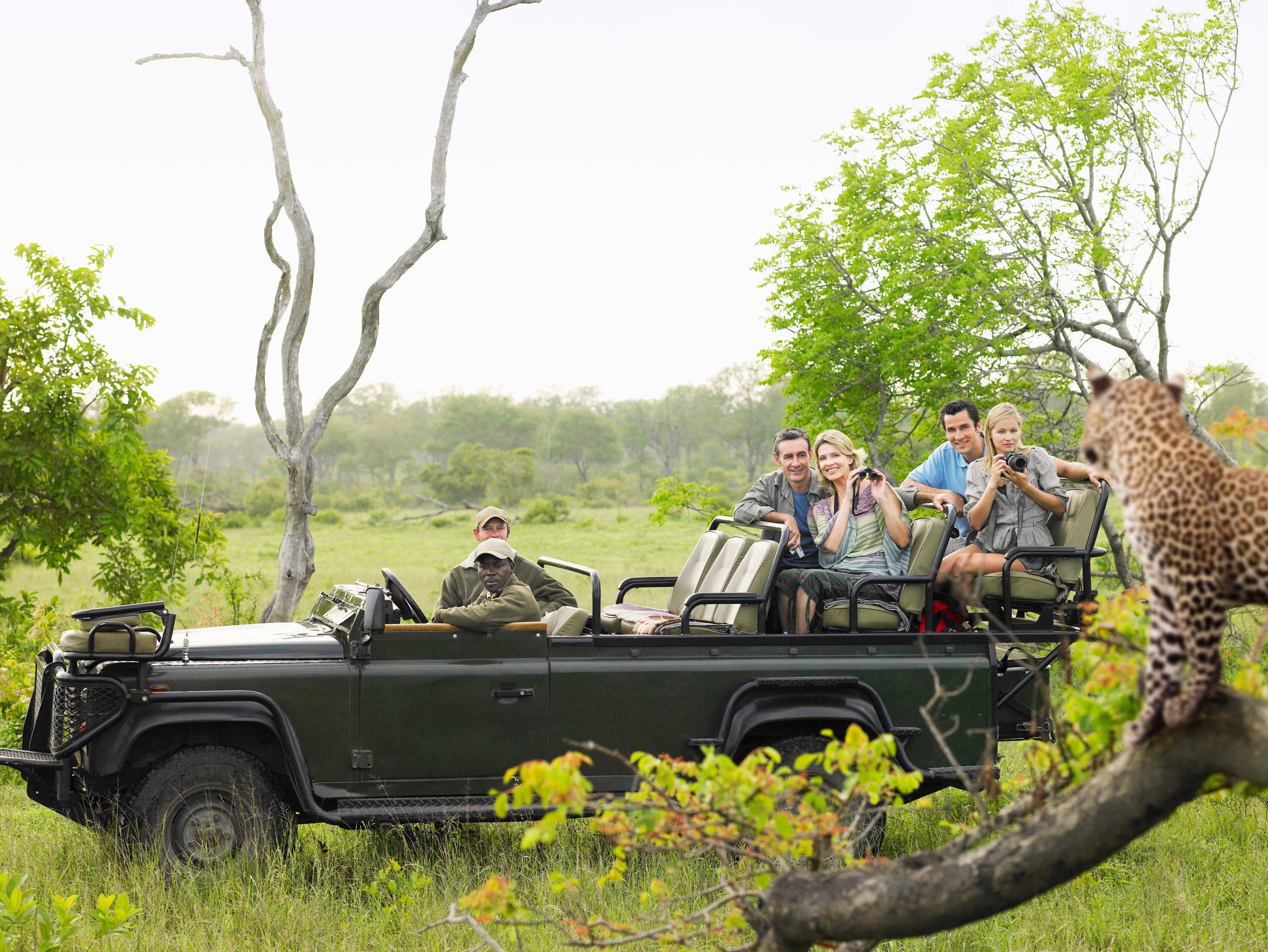
Safari guests in an open vehicle watching a leopard at close range on a private game drive

After dark

Night Game Drives

Head out after dark with a red-filtered spotlight to find the bush’s nocturnal cast — genets, bushbabies, hunting predators and, with luck, an aardvark.

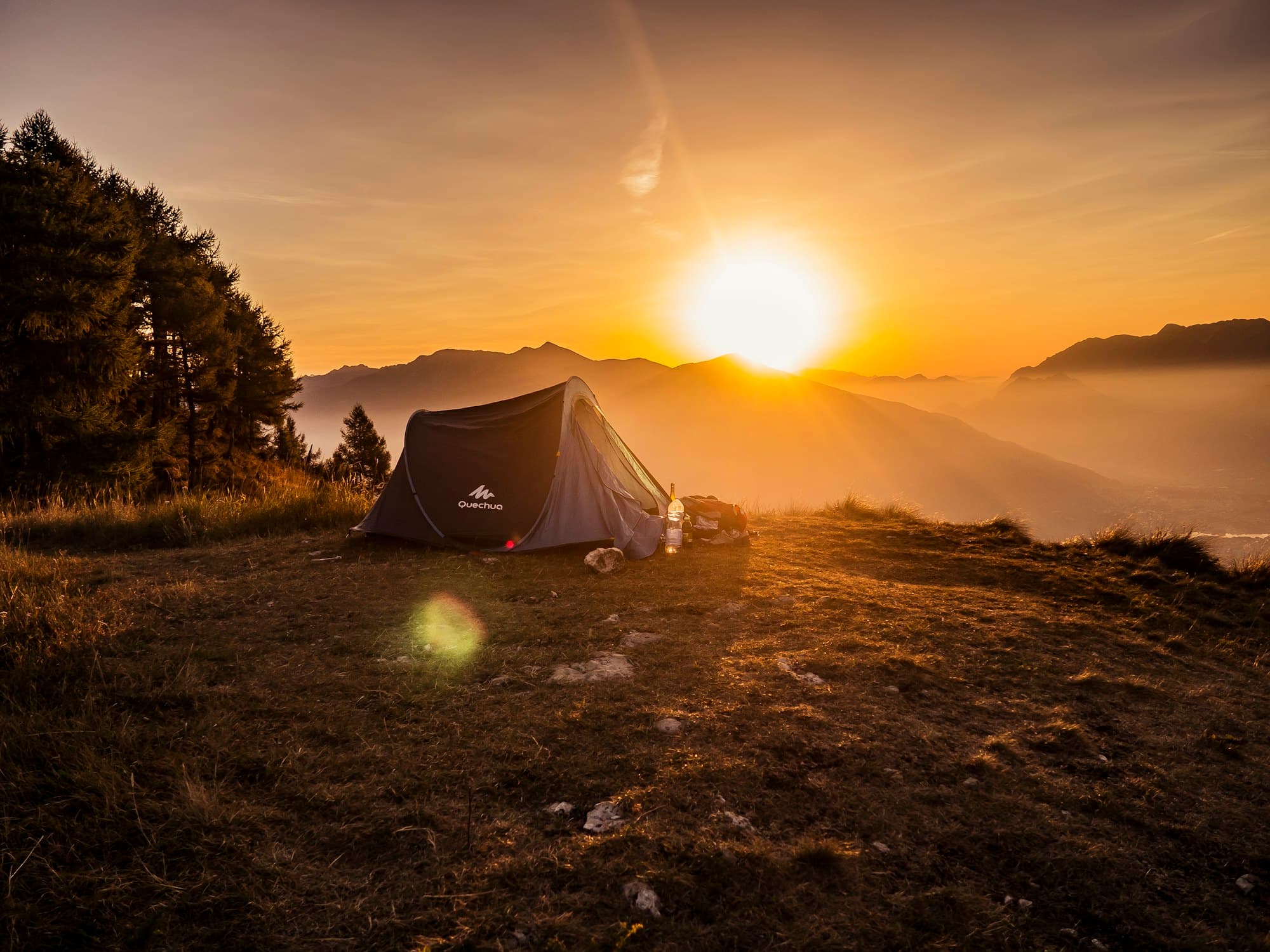
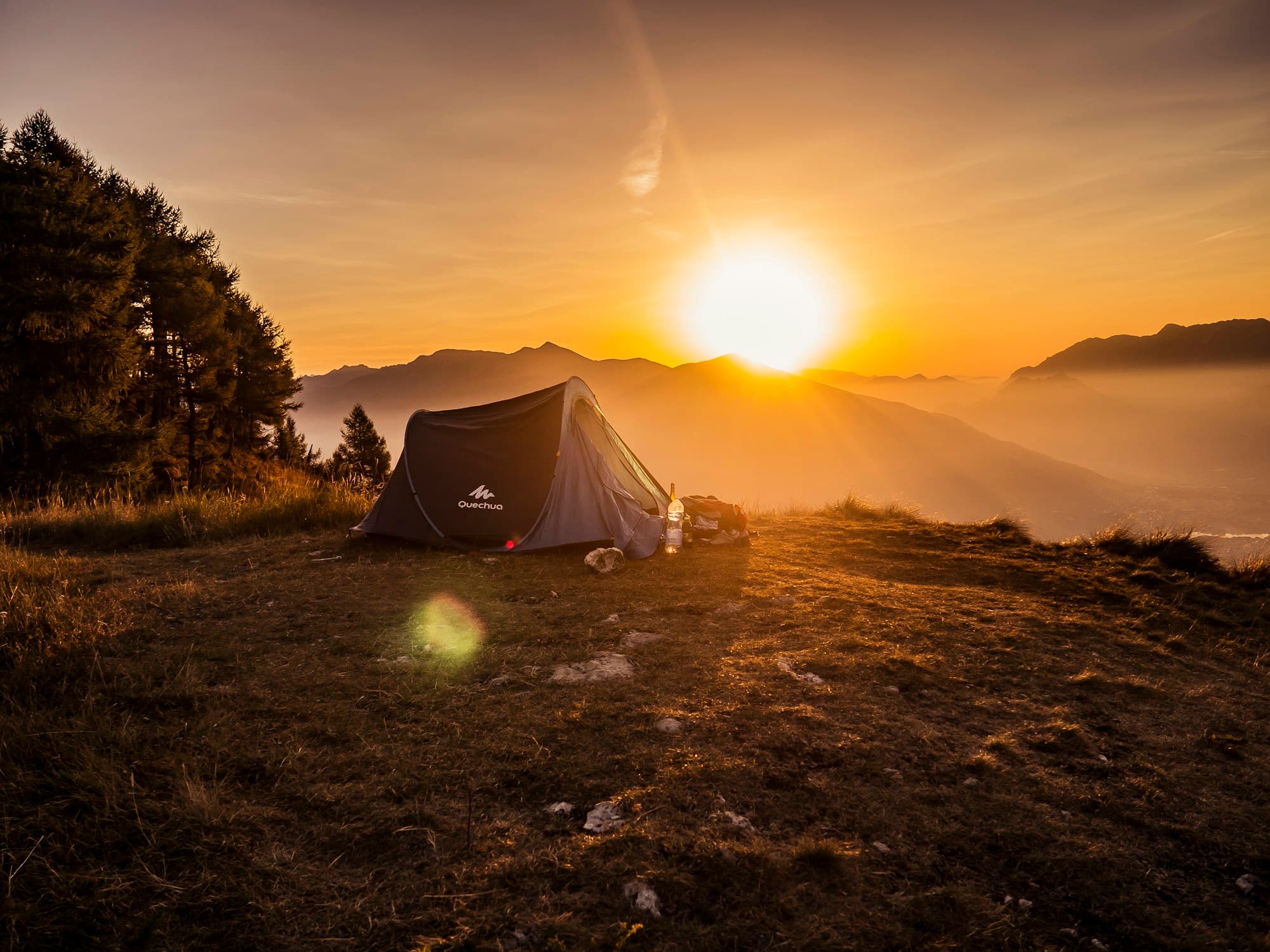
Tented camp glowing at sunrise over golden hills

Bush dining

Bush Breakfast

After a dawn game drive, pull up to a table laid in the shade — fresh coffee, eggs cooked to order and a view with animals in it.

Luxury tented camp glowing at golden hour over rolling savanna hills

Bush dining

Bush Dinner

Dinner by lantern and firelight in the open bush, with the stars overhead and the night’s sounds for company.

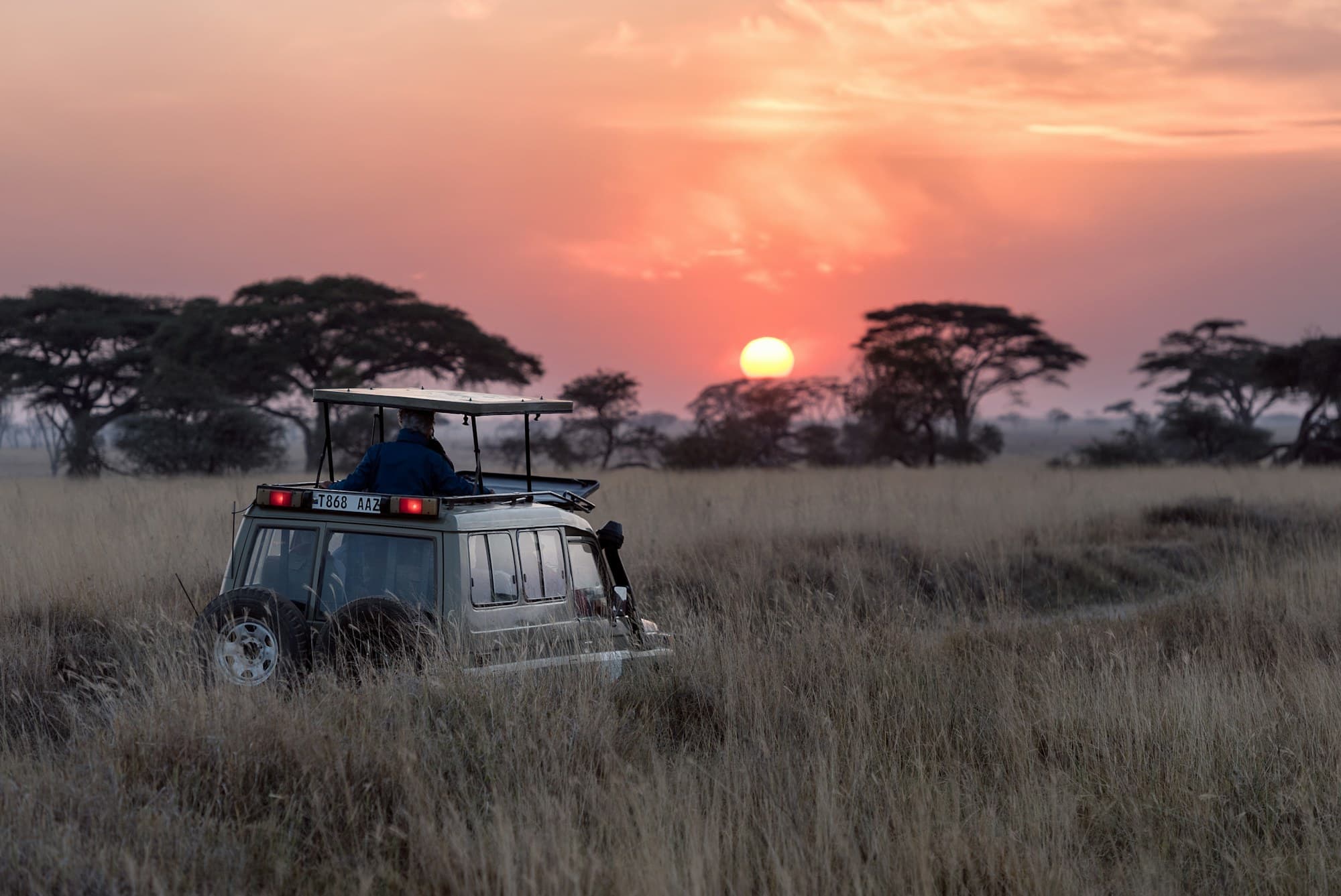
Open safari vehicle with guests on the savanna beneath a dramatic sunset

Bush dining

Sundowners

End the day parked on a kopje or riverbank with a cold drink in hand as the sun drops quickly over the bush.

Getting around

Fly-In Safari

Hop between parks by light aircraft, trading long drives for more time on the ground and a bird’s-eye view of the country in between.

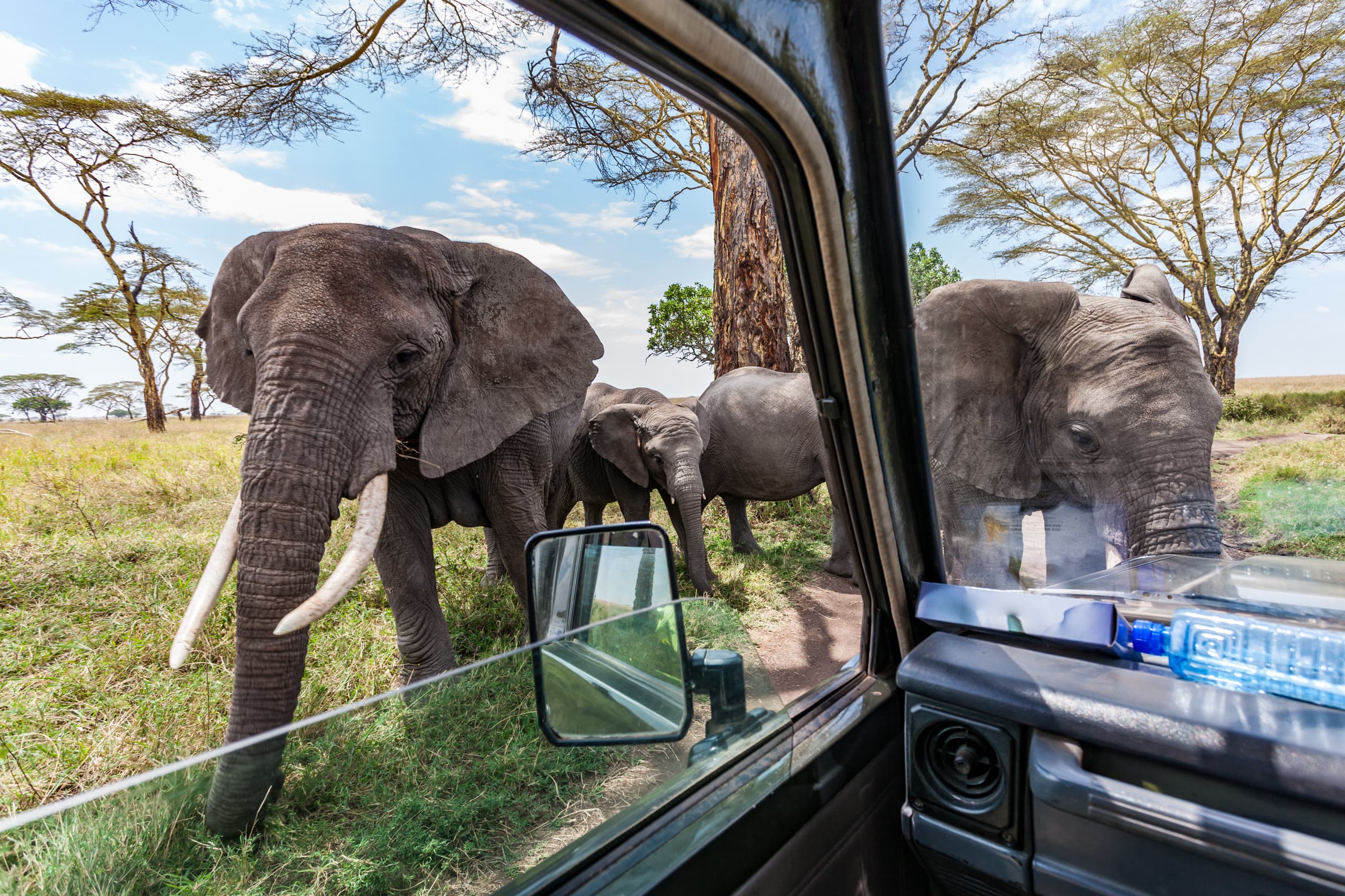
Elephants seen up close from inside a private safari vehicle

Photography

Private Photography Vehicle

A private vehicle set up for cameras — fewer guests, a window each, bean bags and a guide who thinks in light and angles.

Safaris

Safaris That Include Ruaha National Park

Wild kopje-studded savanna of Ruaha National Park
9 daysRemote safari

Ruaha & Nyerere Wilderness

Dar es Salaam · Nyerere · Ruaha

Second-time safari travelers and anyone who wants wilderness without crowds

Best months
June – October
Comfort levels
Premium · Luxury
Individually quoted

Good to know

Frequently asked questions

Is Ruaha good for a first safari?

It can be, especially if you value space and atmosphere over ticking off species quickly. Dry-season wildlife is excellent, but Ruaha lacks the Serengeti’s great herds and the Ngorongoro Crater’s compact concentration of game, and reaching it takes more effort. Many first-timers start in the north and save Ruaha for a return trip — our first-time safari guide weighs up the options.

When is the best time to visit Ruaha?

June to October, when the dry season pulls wildlife to the Great Ruaha and the sand rivers. September and October are the hottest months and often the most dramatic for predator activity. The green season is lovely for birds and scenery, but many camps close during the long rains, roughly March/April–May.

Can you do night drives in Ruaha?

Night drives are generally not permitted inside the national park itself. A few camps on or beyond the park boundary, in adjoining community or concession areas, can offer them where their permits allow. If a night drive matters to you, tell us early and we will match you with a camp that can offer one.

What is a walking safari in Ruaha like?

Walks are led by a trained guide with an armed park ranger, usually for two to four hours in the cool of the morning. The focus is tracks, birds, plants and the smaller details, with larger animals watched from a respectful distance. Some camps offer longer walking itineraries or a night in a simple fly camp in the dry season; minimum ages apply.

Are there tsetse flies in Ruaha?

Yes, in parts of the miombo woodland, particularly in the warmer months. For most visitors they are a nuisance rather than a worry; long sleeves in neutral colors help, since dark blue and black attract them. Your guide will know where they are worst and plan drives accordingly.

How does Ruaha compare with the Serengeti?

The Serengeti is about vast open plains and the Great Migration; Ruaha is rugged river country, baobabs and resident wildlife, with far fewer vehicles. Ruaha also offers more walking and feels more remote from the moment you land. Travelers who have already seen the north often find it the more personal experience.

Open safari vehicle with guests on the savanna beneath a dramatic sunset

Tell Us Your Dates

Share when you want to travel, who is coming and what you hope to see. A safari specialist will design a private Tanzania journey around you — no obligation, and nothing booked until you approve it.

Plan a Ruaha National Park safari