Why Botswana
Fewer Visitors, Wilder Places
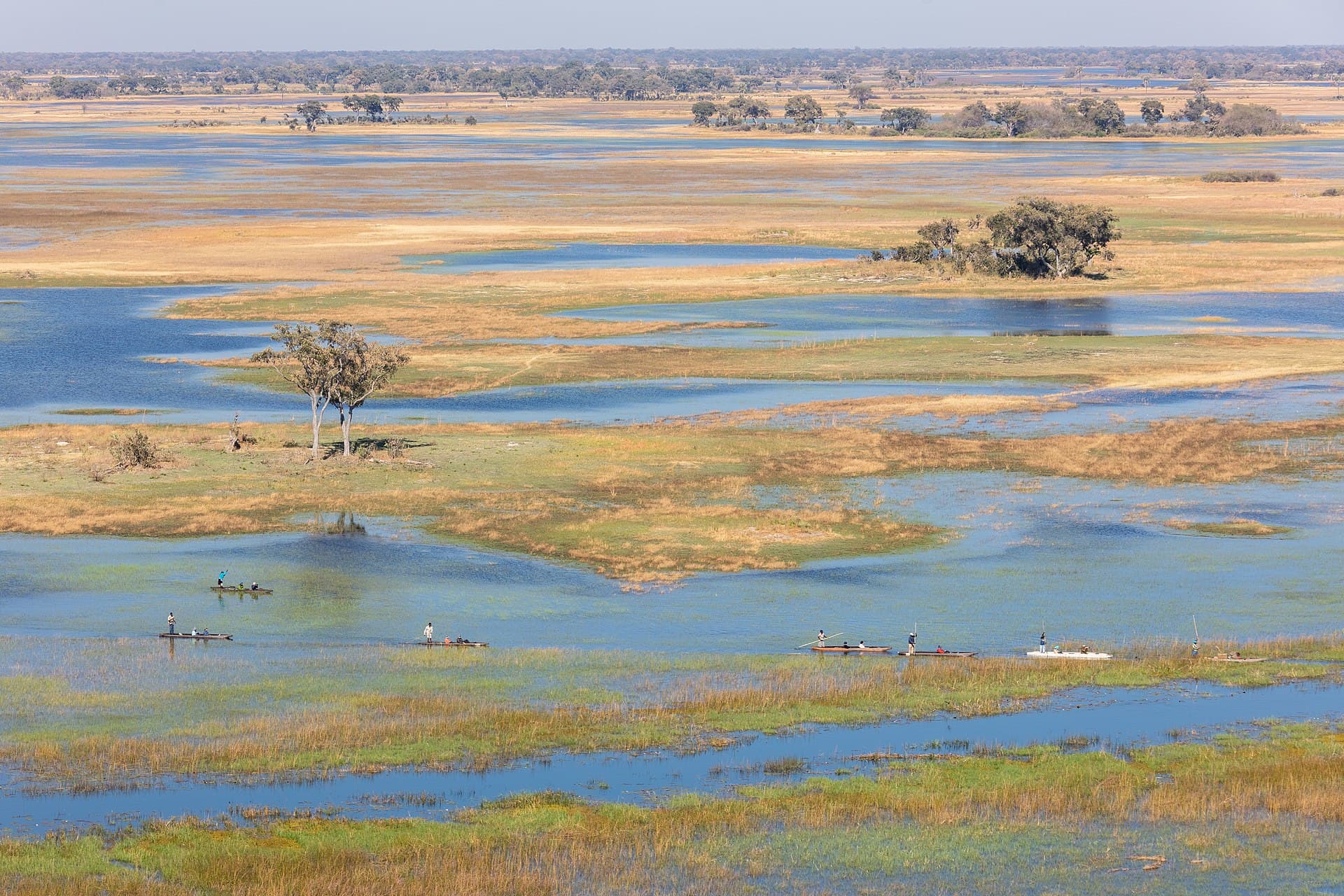
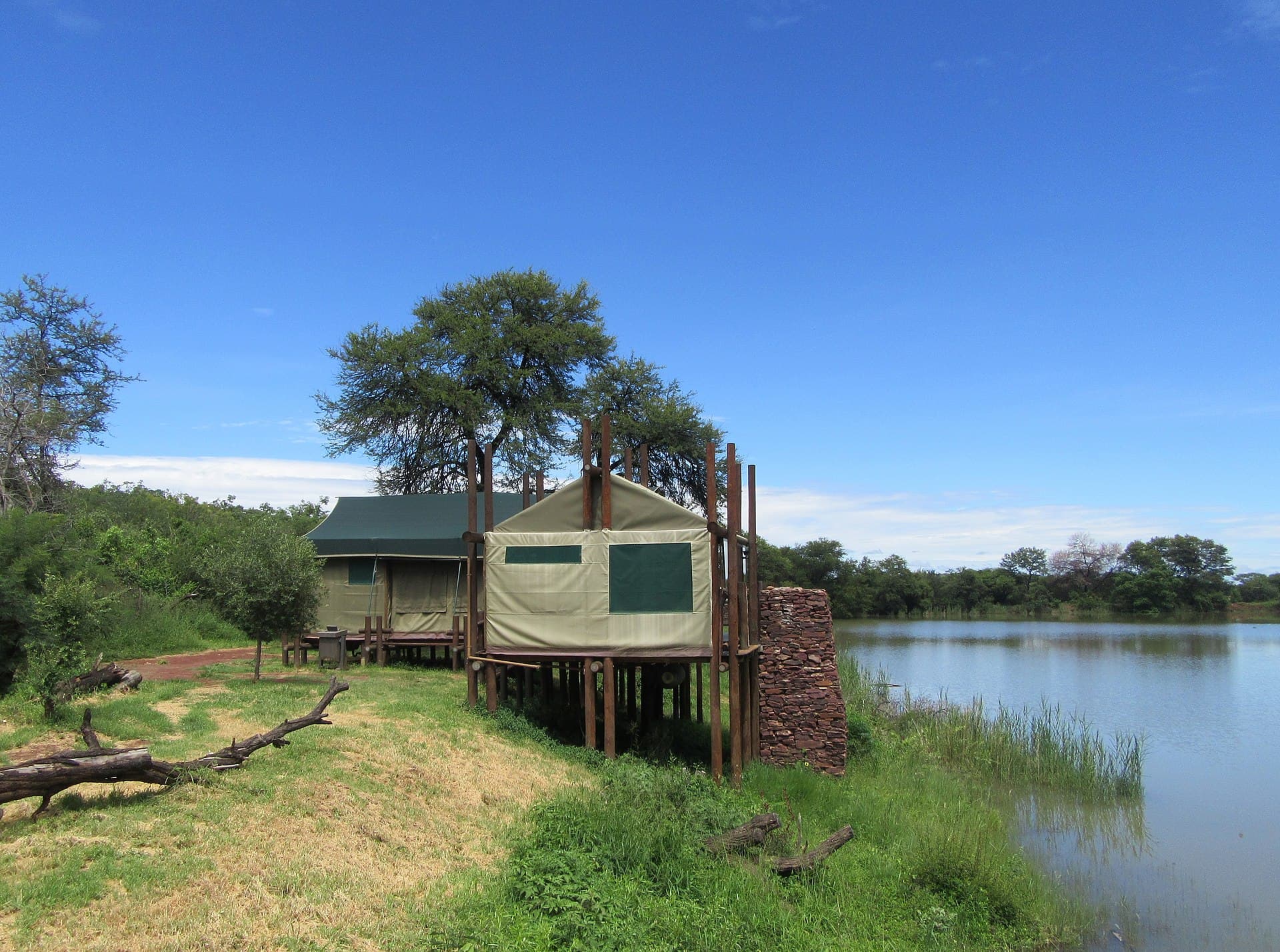
Botswana made a deliberate choice in 1990: fewer visitors, paying more, in wilder places. That high-value, low-volume policy is why the inner Okavango Delta is reached only by light aircraft, why its camps are small and temporary by design, and why a morning in a private concession can pass without another vehicle in sight. It is also why Botswana sits at the upper end of safari pricing, and our Botswana safari cost guide explains the structure behind it.
Three decisions shape a Botswana safari more than the choice of camp. The first is the land: private concessions and community areas usually allow night drives, guided walks and off-road tracking, while the national parks and Moremi Game Reserve keep you on the tracks by day. The second is the calendar: the Delta’s flood arrives in the dry winter, months after the rain fell in Angola, while the Kalahari and the salt pans peak in the summer rains, as the month-by-month guide shows. The third is logistics: a Johannesburg connection, soft bags of about 20 kg for the bush planes, and paperwork for children and yellow fever.
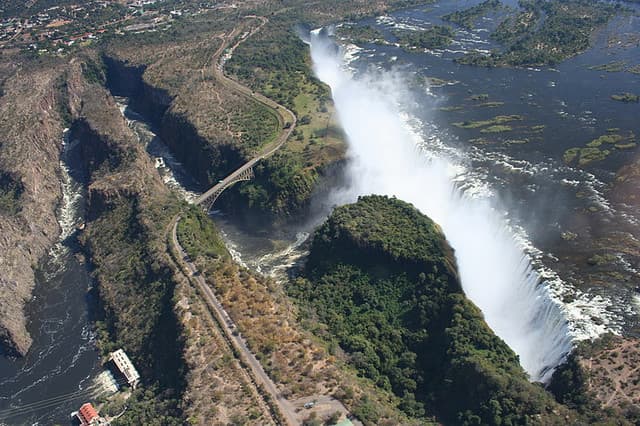
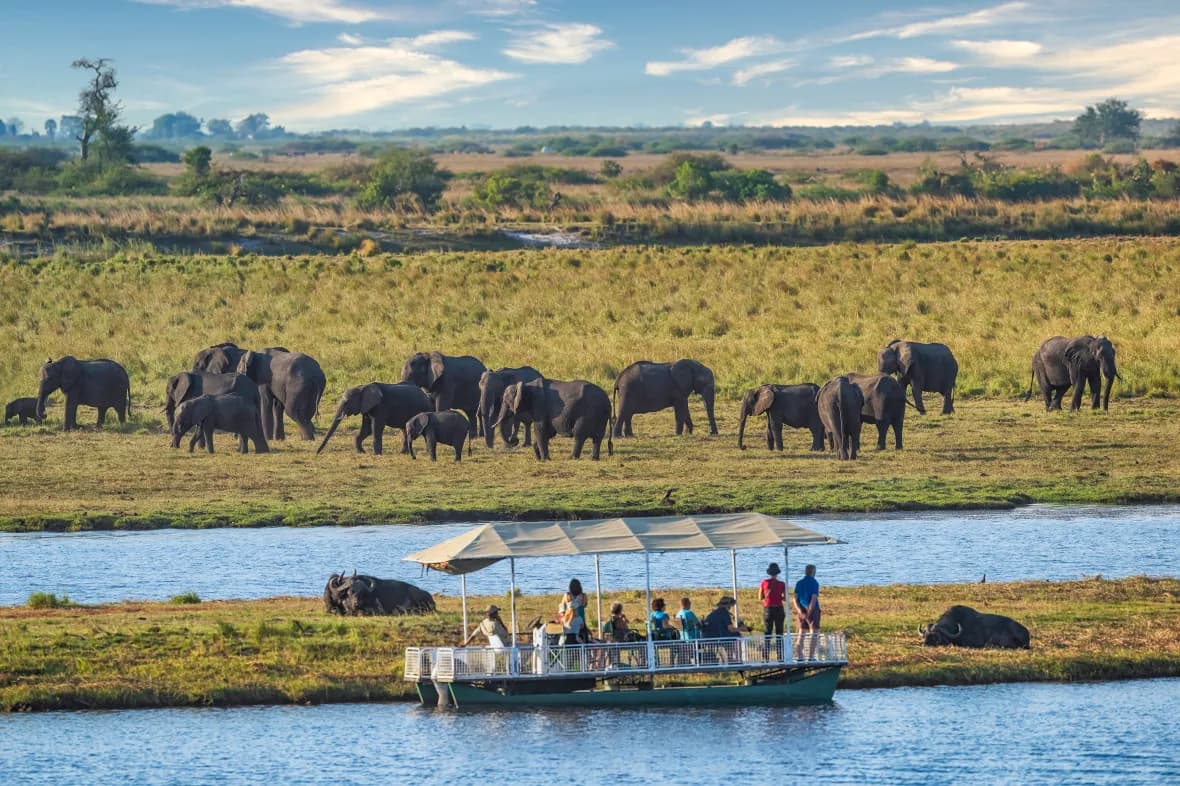
Most journeys pair a water camp in the Delta with a land camp in the Linyanti or Moremi, then add Chobe’s riverfront, the Makgadikgadi or Victoria Falls, about 80 km from Kasane by road. We design the route around your month and book it through vetted partners on the ground.
- 15,000–22,000 km²
- Okavango Delta, as the flood rises and falls
- ≈130,000
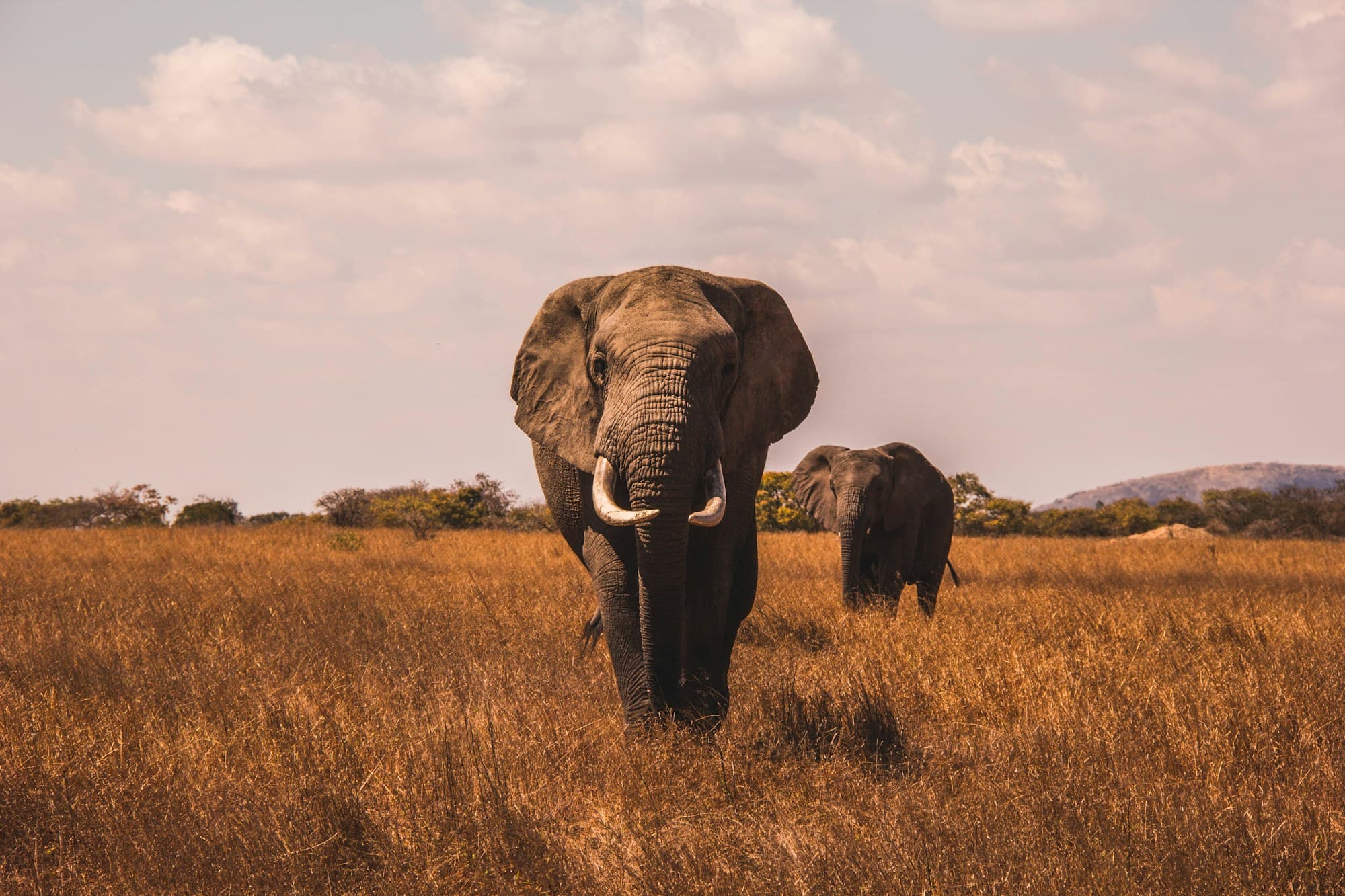
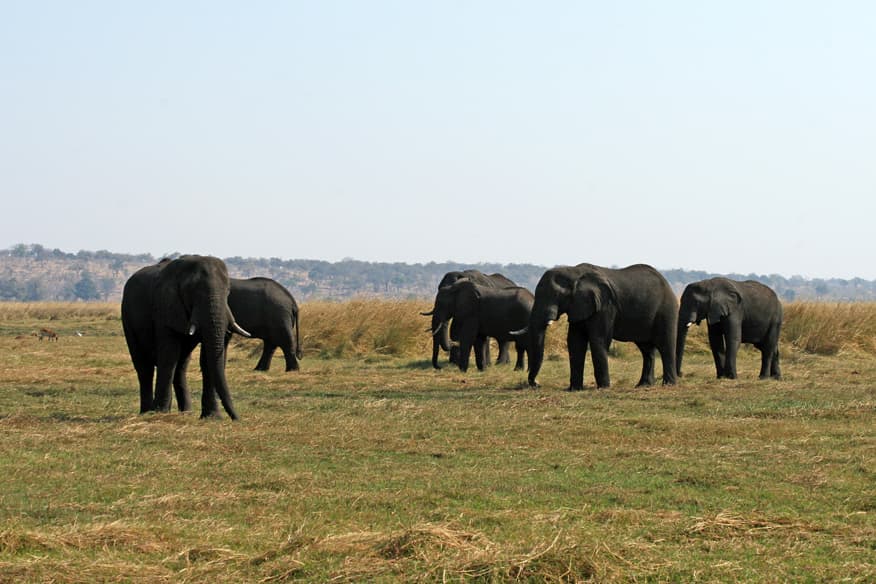
- elephants, the world’s largest population
- ≈11,700 km²
- Chobe National Park
- ≈52,800 km²
- Central Kalahari Game Reserve
Figures are widely published approximations.