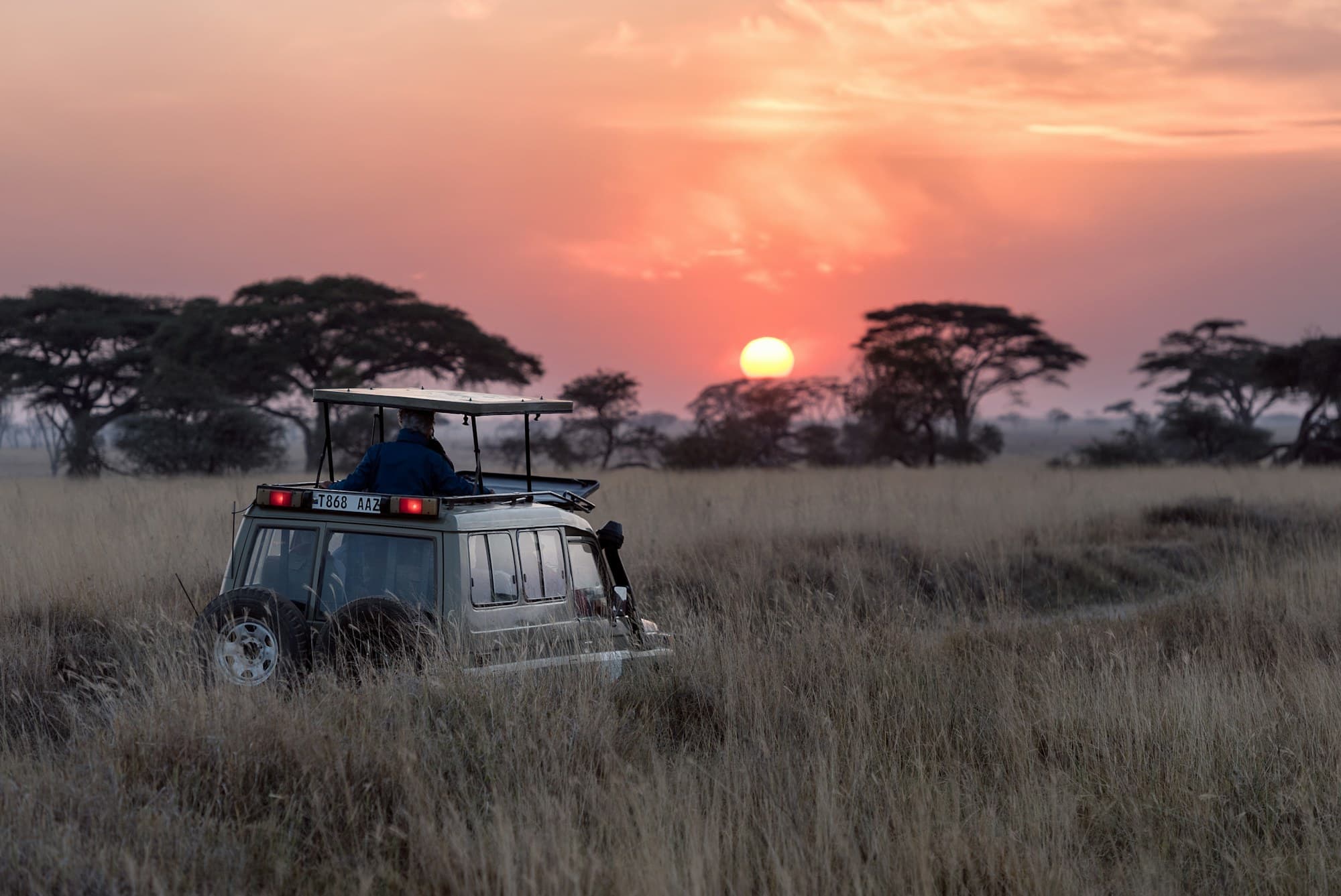
A giraffe beside a lone acacia tree on the open savanna

Tanzania Travel Guide

Arusha: The Gateway to Your Tanzania Safari

Almost every northern safari begins in the shadow of Mount Meru. Here is how to make the first night — and any spare day — count.

Why your safari starts here

Arusha is the starting line for the northern circuit. The town sits at roughly 1,400 m on the southern slopes of Mount Meru, about an hour’s drive from Kilimanjaro International Airport (JRO), and it is the road head for Tarangire, Lake Manyara, the Ngorongoro highlands and the Serengeti. Driver-guides, safari vehicles and light-aircraft services for the whole northern circuit are based here.

For most travelers, Arusha is a single night: you land in the evening, transfer to a quiet lodge, sleep off the flight and set out after breakfast. That night matters more than it looks. A calm, green place to arrive — rather than a busy downtown hotel — sets the tone for the whole trip and gives your body a chance to adjust before the first early game drive.

If your flights allow a spare half-day or an extra night, Arusha repays it. Colobus monkeys in the forests of Arusha National Park, a morning among coffee bushes, a guided wander through the markets, a long lunch with Meru above you: it is a gentle way to begin, and a useful buffer if a long-haul flight runs late.

Ways to Spend a Day in Arusha

None of these needs an early start, and most combine easily into a half-day before or after your safari.

Arusha National Park by vehicle, canoe or on foot

About an hour or less from most lodges, and unlike anywhere else on the circuit: montane forest with black-and-white colobus, the Momella Lakes (often edged with flamingos), giraffe and buffalo in open glades, and Meru rising above. Walks with an armed park ranger are permitted, and canoeing on Small Momella Lake is offered when conditions allow. Big predators are scarce, so treat it as scenery and a gentle warm-up.

Explore

A coffee farm tour

The lower slopes of Meru are coffee country. On a farm visit you follow the bean from bush to cup — picking in season, pulping, drying, roasting over an open fire and grinding by hand — then taste the result. Allow two to three hours, and pair it with lunch on the estate.

Explore

Markets with a local guide

Arusha’s central market is a lively tumble of produce, spices, fabric and household goods, and the curio stalls nearby sell carvings, beadwork and textiles. Go with a guide who knows the stallholders: you are welcomed rather than pursued, and haggling becomes a conversation rather than a contest.

Crafts, art and gemstones

On the western side of town, large galleries gather carvings, paintings, textiles and jewelry from across Tanzania under one roof — an easy stop on the way to or from Arusha Airport. This is also tanzanite country; the stone is mined only in the hills between Arusha and Kilimanjaro. If you buy, choose an established dealer and ask for a certificate.

Lunch in the foothills

Estate lodges and garden restaurants on the slopes of Meru serve long, unhurried lunches, often with produce from their own gardens. It is the ideal way to fill the hours before an evening flight home, with a day room for a shower and a change of clothes.

A little history

Arusha gave its name to the 1967 Arusha Declaration, Julius Nyerere’s blueprint for a self-reliant Tanzania, remembered by a monument and small museum in town. The central clock tower is often said — more by local lore than by surveying — to stand halfway between Cairo and Cape Town. Today Arusha also hosts the headquarters of the East African Community.

Where to stay: coffee country or town

Arusha stays fall into two broad styles. East of town, towards the airport, estate lodges sit among coffee plantations and gardens on the lower slopes of Mount Meru: cottages or suites spread through the grounds, quiet nights, birdsong at breakfast and often a pool. Many lie between JRO and the town itself, which shortens a late-night transfer.

Town and garden hotels put you closer to Arusha Airport — useful when a light aircraft to the Serengeti leaves early the next morning — and to restaurants and shops. The best are set behind walls in mature gardens and feel far calmer than the streets outside.

Which to choose depends on the shape of your trip. If you are driving to Tarangire after breakfast, a coffee-country lodge is the natural choice. If you are flying out of Arusha Airport at dawn, a garden hotel on the right side of town can save an hour of traffic. You can browse the styles we recommend on our accommodations page.

Practical notes

  • Arrival: JRO is about an hour’s drive from Arusha. Many long-haul flights land in the evening, so plan an arrival night rather than driving straight to a park. Our Kilimanjaro Airport guide walks you through landing.
  • Bush flights: most scheduled light-aircraft services to Serengeti airstrips, Lake Manyara and Zanzibar leave from Arusha Airport, a small domestic field on the western edge of town — not from JRO. Check which airport each flight uses.
  • Luggage: many Arusha lodges can store bags you will not need on safari until you pass back through. Ask when you book.
  • Money: ATMs are easy to find in town, and US dollars are widely used across the safari industry. Bring newer, undamaged notes; older or torn bills are often refused.
  • Connectivity: local SIM cards are simple to arrange in Arusha. Coverage thins out in the parks, and camp Wi-Fi is often limited to the main area.
  • Climate: at around 1,400 m, Arusha is milder than the coast — pleasant days and cool evenings, particularly June–August — so keep a light layer handy.
  • Traffic: the main road between Arusha and the airport can be slow at the start and end of the working day. Allow extra time on departure day.
  • Safety: Arusha is a busy working town. Normal city precautions apply — keep phones and cameras out of sight in crowds, use arranged transfers rather than walking after dark, and ask at the lodge before exploring on foot. See our safety guide.

Safaris

Recommended safaris

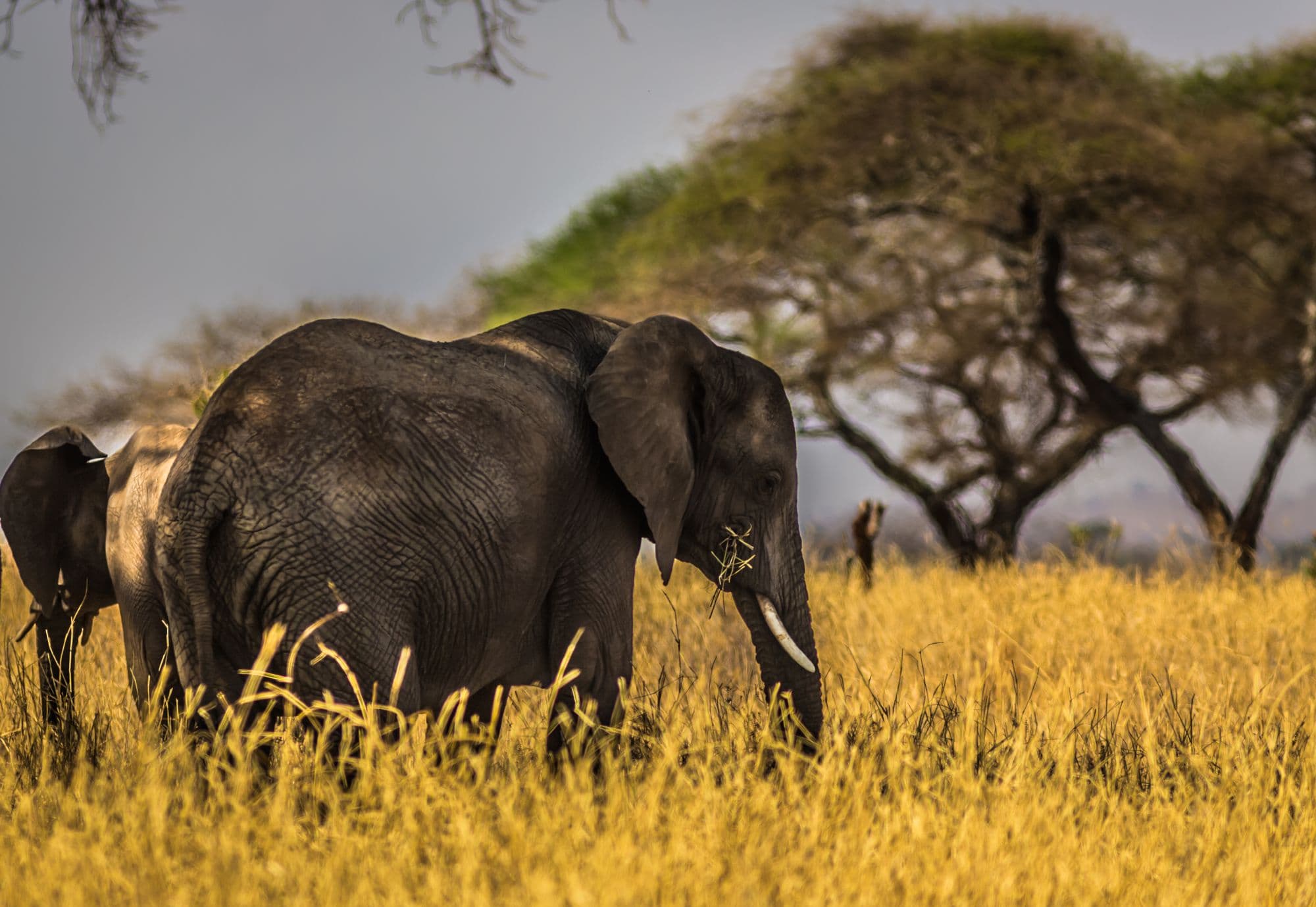
Elephants grazing beneath flat-topped acacia trees on golden grassland
8 daysMost popular

Serengeti & Ngorongoro Classic

Arusha · Lake Manyara · Central Serengeti · Olduvai Gorge · Ngorongoro Crater

First-time safari-goers and photographers who want real time in the Serengeti without flying

Best months
June – March, outside the long rains
Comfort levels
Comfort · Premium · Luxury · Ultra-Luxury
Individually quoted
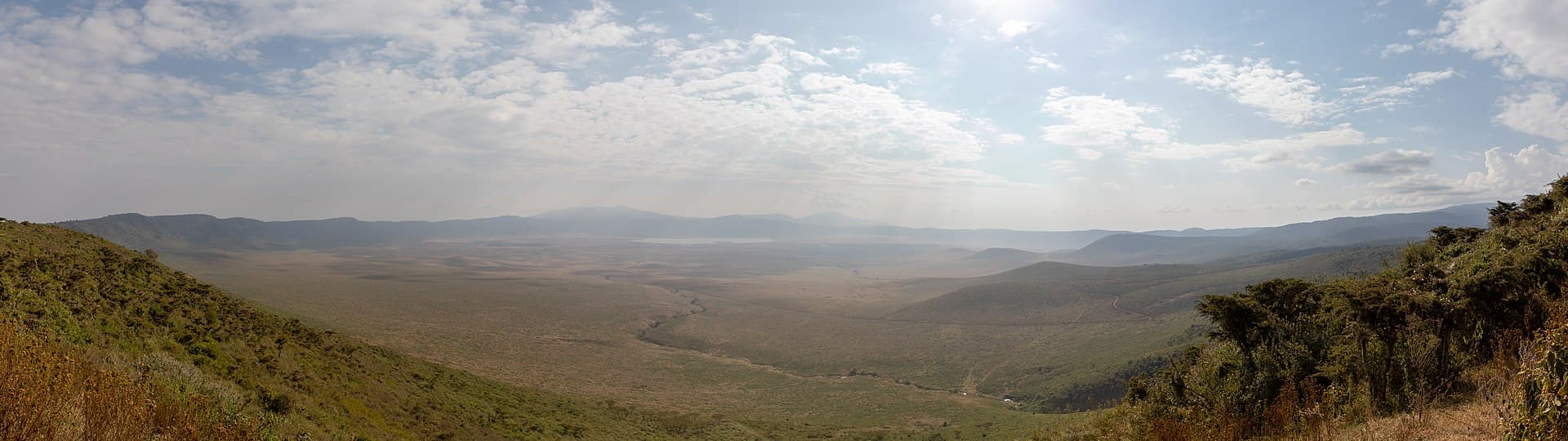
View across the Ngorongoro Crater floor from the forested rim
9 daysComplete introduction

Tanzania Northern Circuit

Arusha · Tarangire · Ngorongoro Crater · Olduvai Gorge · Central Serengeti

First-time travelers who want the complete northern circuit, with room to breathe

Best months
June – March, routed to the season
Comfort levels
Comfort · Premium · Luxury · Ultra-Luxury
Individually quoted
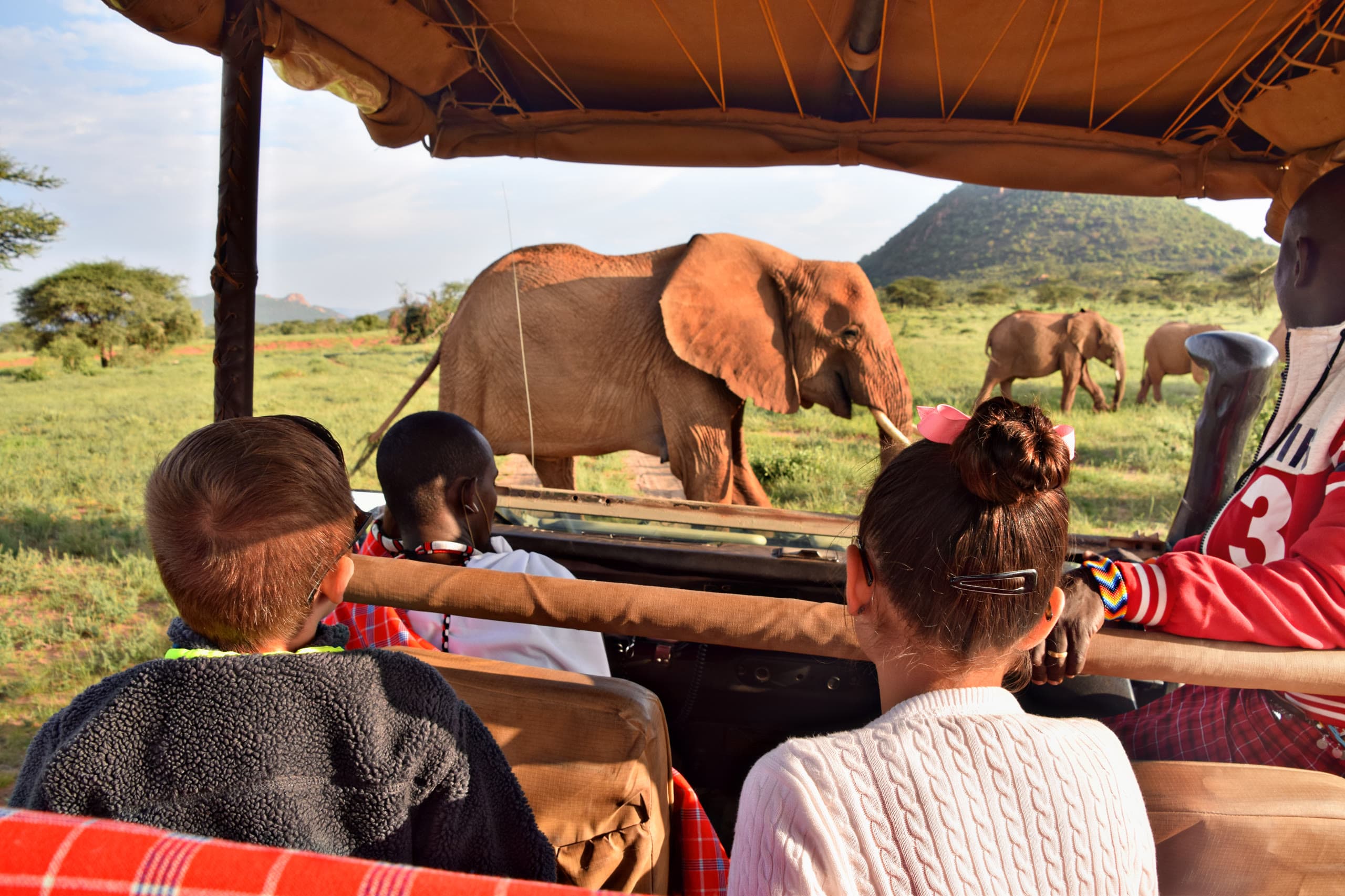
Safari guests watching a herd of elephants from an open vehicle on a family game drive
9 daysFamilies

Tanzania Family Safari

Arusha · Tarangire · Karatu · Ngorongoro Crater · Central Serengeti

Families with school-age children who want a first safari without marathon drives

Best months
June – October and December – February (book early for school holidays)
Comfort levels
Comfort · Premium · Luxury
Individually quoted

Experiences

Related experiences

Culture

Coffee Farm Tour

Follow Tanzanian arabica from cherry to cup on the slopes of Mount Meru or in the Karatu highlands — a gentle, delicious half-day.

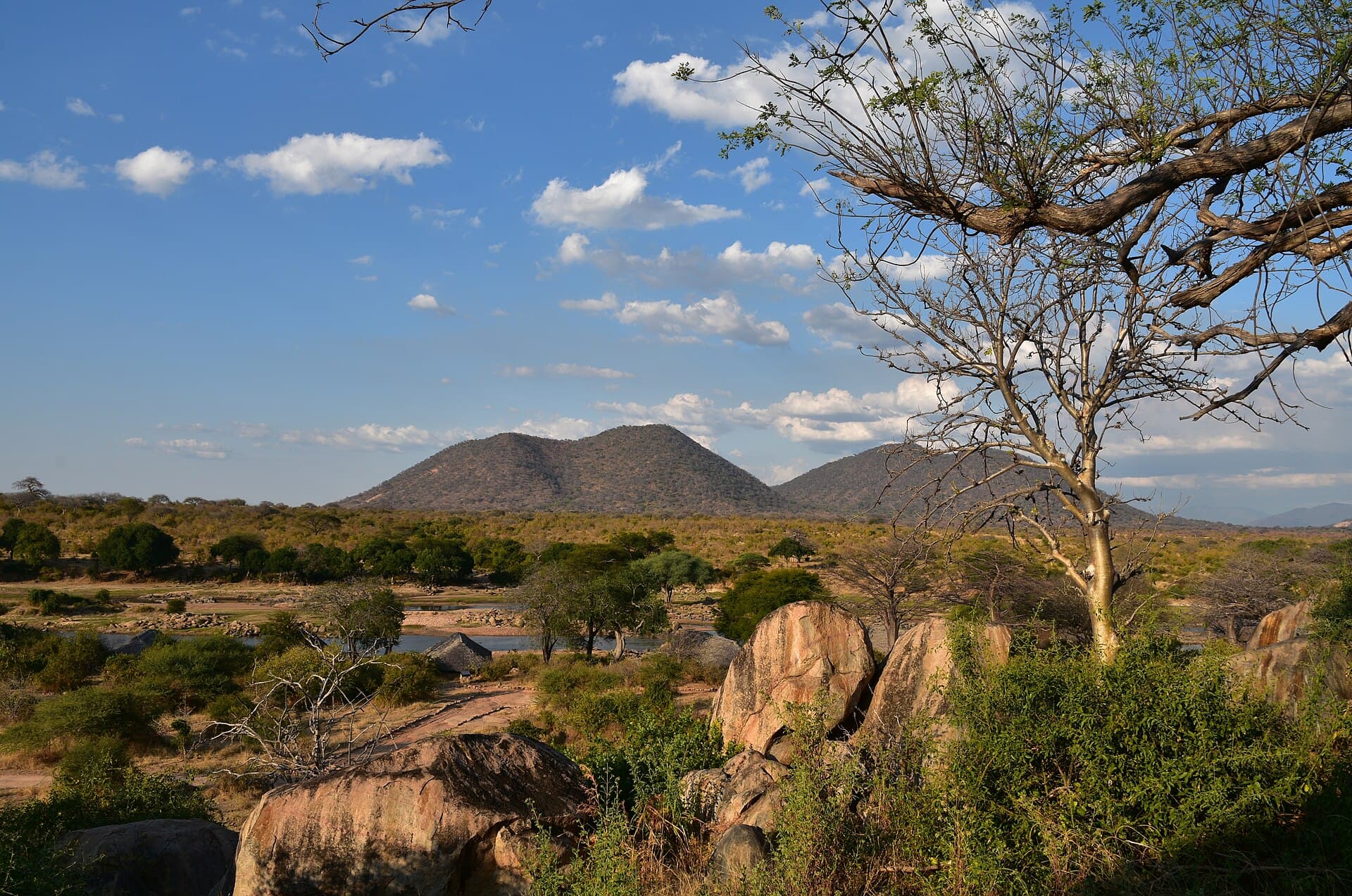
Wild kopje-studded savanna of Ruaha National Park

On foot

Walking Safaris

Leave the vehicle behind and read the bush up close with an armed ranger — tracks, birdcalls and the thrill of being on foot in big-game country.

Good to know

Frequently asked questions

How many nights should I spend in Arusha?

One night is standard: you arrive in the evening, rest and set off after breakfast. Add a second night if your flight lands very late, if you are facing a big time change, or if you would like a relaxed day in Arusha National Park or coffee country first. On the way home, a day room is usually enough.

Can I see Kilimanjaro from Arusha?

Sometimes. Kilimanjaro lies roughly 80 km to the east and is often wrapped in cloud, but clear mornings — more common in the dry months — can reveal the summit from the eastern side of town and the airport road. Mount Meru, at about 4,566 m, dominates the view from Arusha itself and is far more reliably visible.

Is Arusha National Park worth visiting?

Yes, if you have a spare half-day. It is small and quite different from the big parks — forest, crater, lakes and mountain rather than open plains — with colobus monkeys, giraffe, buffalo and flamingos among the highlights. It will not replace the Serengeti for big cats, but a walk or canoe outing here is a lovely, unhurried introduction.

Is Arusha safe for visitors?

Arusha is generally welcoming, and most visitors experience it through lodges, guided outings and private transfers. As in any busy town, petty theft happens, so keep valuables out of sight, avoid walking alone after dark and use arranged transport. Check your government’s current travel advice before you go.

Which airport should I fly into for a northern safari?

Kilimanjaro International Airport (JRO) is the main international gateway, about an hour from Arusha. Arusha Airport handles domestic and light-aircraft flights, including services to the Serengeti and Zanzibar. Some travelers arrive via Nairobi or Dar es Salaam and connect; our flying into Tanzania guide covers the options.

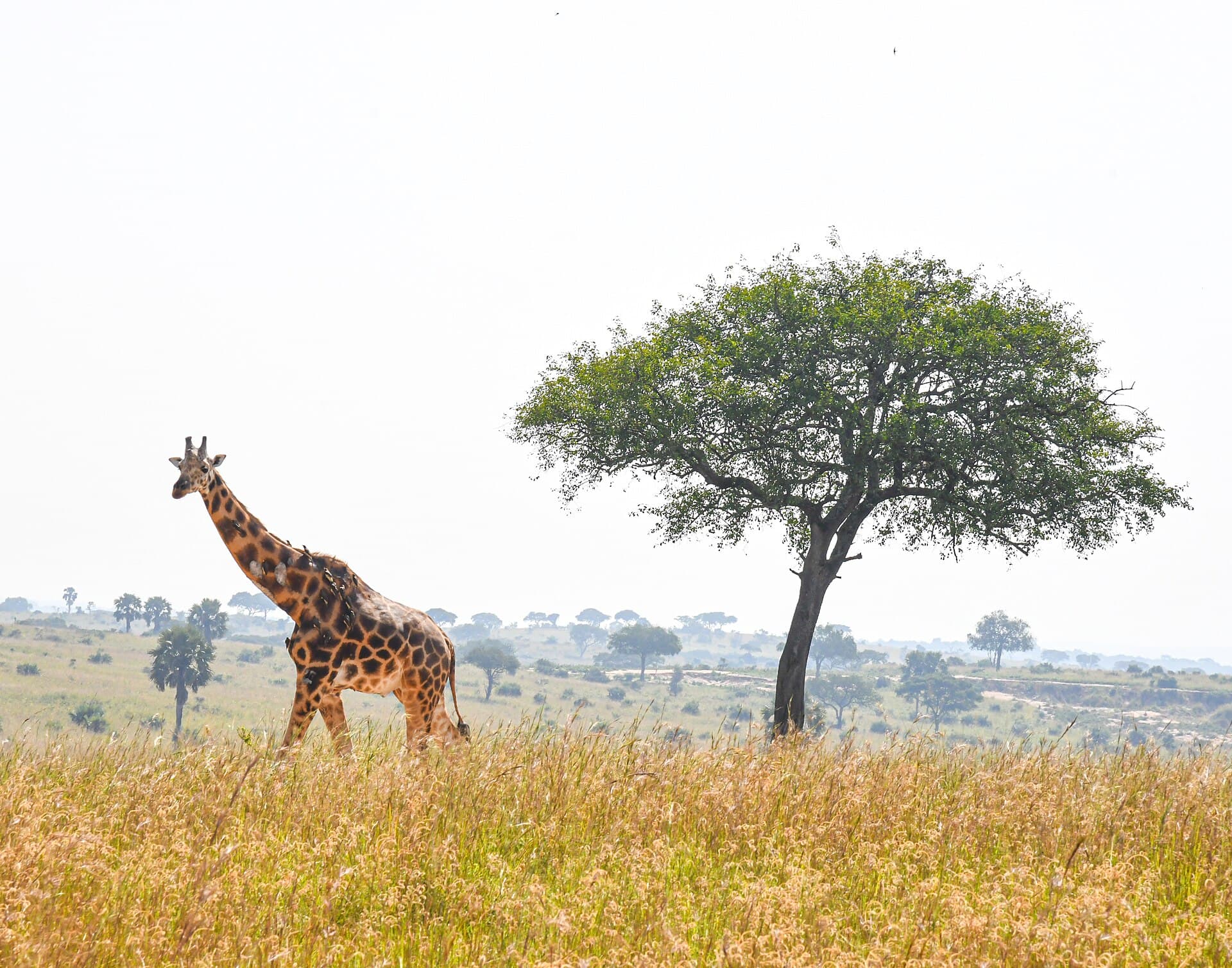
Open safari vehicle with guests on the savanna beneath a dramatic sunset

Tell Us Your Dates

Share when you want to travel, who is coming and what you hope to see. A safari specialist will design a private Tanzania journey around you — no obligation, and nothing booked until you approve it.

Start Designing My Safari