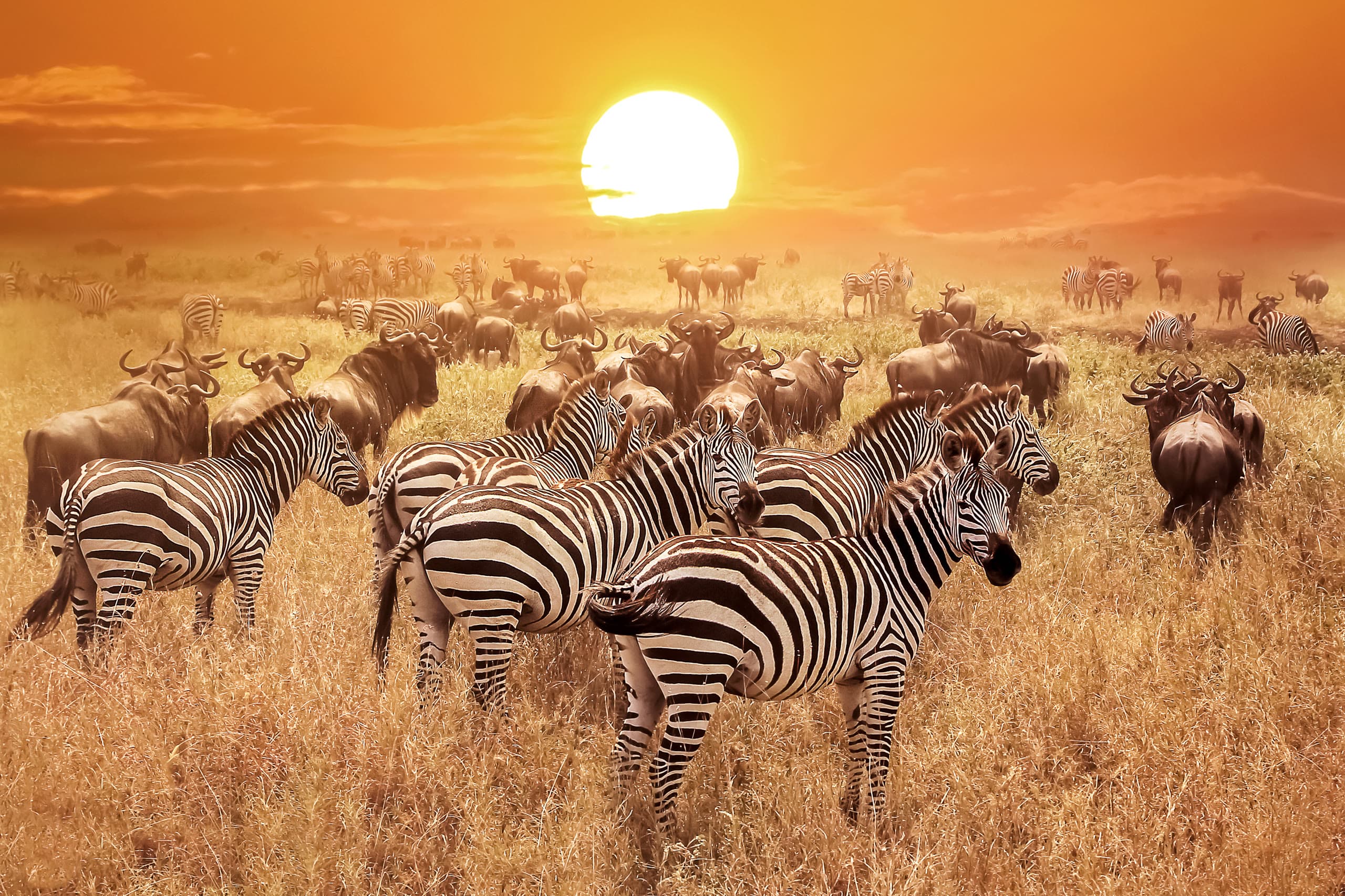
Zebra and wildebeest herds grazing at golden sunset during the Great Migration

Tanzania Planning

The Best Time for a Tanzania Safari

June to October is the classic answer, but it is not the only good one. Here is how Tanzania’s seasons really play out, park by park and for the way you like to travel.

The short answer: June to October is the most dependable time for a Tanzania safari. The dry season thins the bush, draws wildlife to rivers and waterholes, and brings the Great Migration to the Mara River in the northern Serengeti. It is also when demand, vehicle numbers and rates are at their highest.

The longer answer is that Tanzania has no bad month, only trade-offs. January and February bring calving on the southern plains and some of the year’s most intense predator action. November and early December are green, quiet and underrated. Even the long rains of March to May have a loyal following among travelers who value space, softer rates and dramatic skies.

The right time for you depends on three things: which parks you want to see, what you most want to experience, and when you can actually travel. Start with the grid below, then read on for the detail.

Month by Month

Tanzania’s Safari Year at a Glance

Each row is a way to experience Tanzania, from river crossings to Zanzibar’s beaches; each column is a month. Rainfall shifts from year to year, so treat the grid as a guide to likelihood rather than a promise.

ExperienceJanFebMarAprMayJunJulAugSepOctNovDec
Northern circuit game viewingExcellentExcellentGoodFairFairExcellentExcellentExcellentExcellentExcellentGoodGood
Mara River crossingsLimited or closedLimited or closedLimited or closedLimited or closedLimited or closedFairGoodExcellentExcellentGoodFairLimited or closed
Calving season (Ndutu)ExcellentExcellentGoodFairLimited or closedLimited or closedLimited or closedLimited or closedLimited or closedLimited or closedFairGood
Tarangire elephantsFairFairFairLimited or closedFairGoodExcellentExcellentExcellentExcellentGoodFair
Ruaha & NyerereFairFairLimited or closedLimited or closedFairGoodExcellentExcellentExcellentExcellentGoodFair
Chimpanzees (Mahale)FairFairLimited or closedLimited or closedLimited or closedGoodExcellentExcellentExcellentExcellentGoodFair
Zanzibar beachesExcellentExcellentGoodLimited or closedFairGoodExcellentExcellentExcellentExcellentGoodExcellent
RainfallMostly dryMostly dryShowersRainy seasonRainy seasonMostly dryMostly dryMostly dryMostly dryMostly dryShowersShowers
Travel seasonHigh seasonHigh seasonShoulderGreen seasonGreen seasonHigh seasonPeak seasonPeak seasonPeak seasonHigh seasonShoulderPeak season
ExcellentGoodFairLimited or closedShowersRainy seasonPeak seasonHigh seasonShoulderGreen season

General guidance — conditions vary from year to year and between camps.

The Four Seasons

Tanzania’s Four Safari Seasons

Tanzania sits just south of the equator, so its seasons are defined by rain rather than by winter and summer. Two rainy seasons divide the year, and each window has a distinct character.

June–October · The dry season

The classic safari season. Vegetation thins, animals concentrate on permanent water, and the northern Serengeti hosts the Mara River crossings. Mornings are crisp, days sunny and mosquitoes fewer. The trade-offs: more vehicles at famous sightings, dust by September, the highest rates, and the best-placed camps for July and August often full 9–12 months ahead.

November–December · The short rains

Brief afternoon showers turn the plains green, migratory birds arrive, and the herds stream south toward Ndutu. Early November is one of the quietest windows of the year. The trade-offs: a shower can interrupt a drive, the herds are on the move and harder to pin down, and demand climbs steeply over Christmas and New Year.

January–February · Warm, drier & calving

A warm, often drier spell between the rains, and the heart of calving season on the southern plains. Expect green landscapes, newborn wildebeest and busy predators, plus excellent weather on Zanzibar. The trade-offs: this is a second peak, the best Ndutu camps book early, and middays can be hot.

March–May · The long rains

The green season. Heavy rain, especially in April, brings lush landscapes, storm skies, few vehicles and softer rates at the camps that stay open, and the wildebeest rut begins around May. The trade-offs: some roads turn to mud, many camps in Ruaha, Nyerere and Mahale close, some northern Serengeti camps close in April and May, and Zanzibar is at its wettest.

Park by Park

Best Time by Park

The strongest months for each park, and the reason behind them.

ParkBest monthsWhy
SerengetiYear-round (the region depends on the month)The migration moves through the park all year: the south from roughly December to March, the west around May–July, the north from July to October. The central Serengeti is strong in every month.
Ngorongoro CraterYear-round; driest June–OctoberMost wildlife is resident on the crater floor, so viewing holds up all year. Green-season visits are often quieter, and rim nights are cold from June to August.
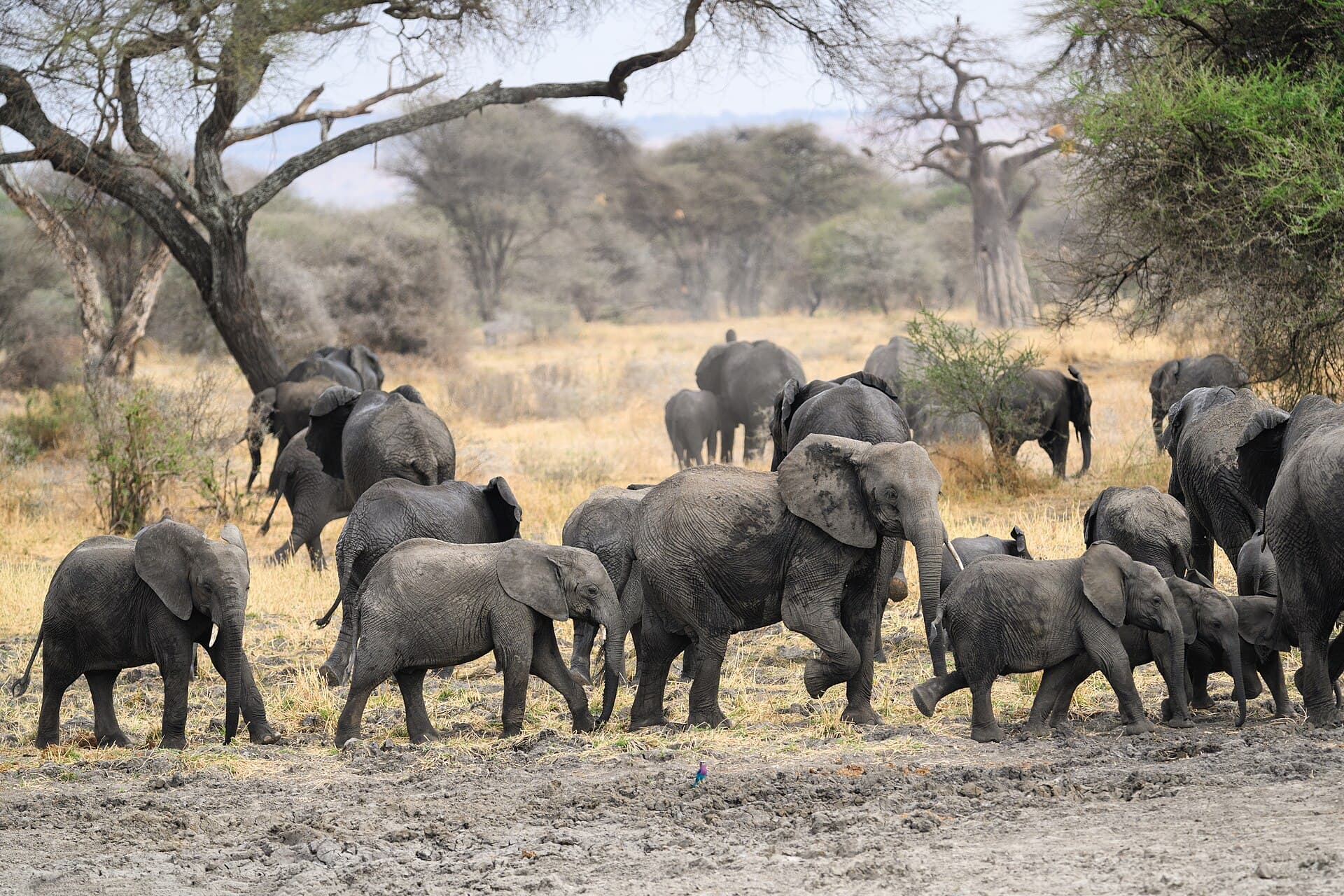
TarangireJune–OctoberAs the land dries, elephants and other wildlife gather along the Tarangire River in some of the highest concentrations in the north. Many animals disperse beyond the park in the rains.
Lake ManyaraJune–October for wildlife; November–April for birdsThe groundwater forest stays green all year. Flamingo numbers on the lake vary with water levels and are never certain.
RuahaJune–October, best late in the seasonWildlife concentrates along the Great Ruaha River and the sand rivers as other water disappears. Many camps close during the long rains.
NyerereJune–OctoberBoat safaris on the Rufiji River and its lakes, with drier, clearer game viewing. Heat builds by October, and many camps close in the long rains.
Lake NatronJune–OctoberHot in every month, but the dry season makes the rough roads and the night climb of Ol Doinyo Lengai more manageable. Flamingo numbers vary through the year.
MahaleJuly–OctoberChimpanzees are often easier to find lower on the forested slopes as the dry season goes on. Camps close for the long rains.
ZanzibarJune–October and December–FebruaryDry, sunny and ideal after a safari. April and May bring the heaviest rain, and November can be showery.

Months are typical, not fixed. When we plan your dates, we confirm current conditions and which camps are open.

By Travel Style

Best Time by Travel Style

Families & school holidays

Late June to August and the December holidays line up with the dry season and a comfortable northern circuit. They are also the busiest weeks, and family tents are among the first rooms to sell out, so plan 9–12 months ahead. Easter can work too, though it usually falls in the long rains.

Explore

Honeymoons

June to October pairs the dry season with Zanzibar at its best, and January–February adds calving to beach weather. After a May wedding, the green season’s quiet camps suit couples well, but Zanzibar is at its wettest, so an early-June start is often the better choice.

Explore

Photographers

January and February offer calving, predator action and green backdrops under big skies; July to October brings river crossings and warm, dusty light. The green season rewards patient photographers with clear air, storm light and sightings you often have to yourself.

Explore

First-time travelers

June to October or January to February. Both windows show the northern circuit of Tarangire, the crater and the Serengeti at its most dependable, so your first safari is about the wildlife rather than the weather.

Explore

Value-conscious travelers

The green season from March to May, and the shoulder weeks of early June, late October and early November, bring softer rates and fewer vehicles at the camps that stay open. You trade some weather certainty and camp choice, but the crater and the central Serengeti remain excellent.

Explore

Birders

November to April, when migrant species arrive from Europe and Asia and many resident birds are in breeding plumage. Lake Manyara and Tarangire are standouts, and the green-season Serengeti is alive with raptors, bustards and larks as well as mammals.

Explore

Weather

Weather & Temperatures

Altitude shapes Tanzania’s weather more than the calendar does. On the Serengeti plains, days are typically warm, often in the upper 70s to mid-80s °F (roughly 25–30°C), with cool nights. Tarangire and Lake Manyara sit lower and run warmer. Ruaha, Nyerere and the coast are hotter and, from about October to March, more humid again.

The Ngorongoro highlands are the exception. The crater rim sits at around 2,300 m (about 7,500 ft), and nights there are genuinely cold, particularly from June to August, when temperatures can drop into the 40s °F (single digits °C). Karatu and the highland farms are cool in the evenings too, and an early game drive in an open vehicle is chilly anywhere in the dry season.

Rain usually arrives as afternoon showers during the short rains and in longer, heavier spells from March to May, with April typically the wettest month. Recent years have shown that the rains can come early, late or lighter than expected, which is why we plan with a margin rather than by the calendar alone. Our packing list covers what to bring for each season.

Even in the long rains, it rarely rains all day. A typical green-season pattern is a bright morning, building cloud and a heavy afternoon or evening downpour, followed by clear, rinsed air. The practical challenges are the roads, since black-cotton soils in parts of the Serengeti become slow going when wet, and the camps that close, rather than the rain itself.

If you are still weighing which months suit your plans, it helps to know what each season costs as well as how it feels. What a Tanzania safari costs explains how season interacts with every other price factor.

Safaris

Recommended safaris

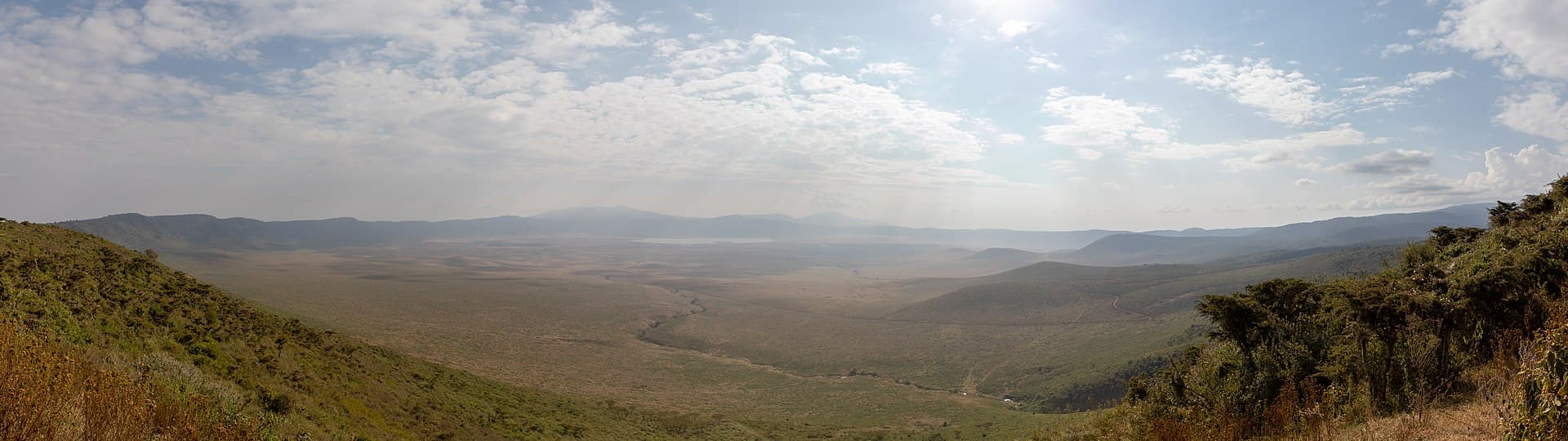
View across the Ngorongoro Crater floor from the forested rim
9 daysComplete introduction

Tanzania Northern Circuit

Arusha · Tarangire · Ngorongoro Crater · Olduvai Gorge · Central Serengeti

First-time travelers who want the complete northern circuit, with room to breathe

Best months
June – March, routed to the season
Comfort levels
Comfort · Premium · Luxury · Ultra-Luxury
Individually quoted
Zebra and wildebeest herds grazing at golden sunset during the Great Migration
9 daysMigration

Great Migration Safari

Arusha · Ngorongoro Crater · Central Serengeti · Northern Serengeti

Travelers who want the migration at the center of the trip, whatever month they can travel

Best months
Year-round — routed to the herds
Comfort levels
Premium · Luxury · Ultra-Luxury
Individually quoted
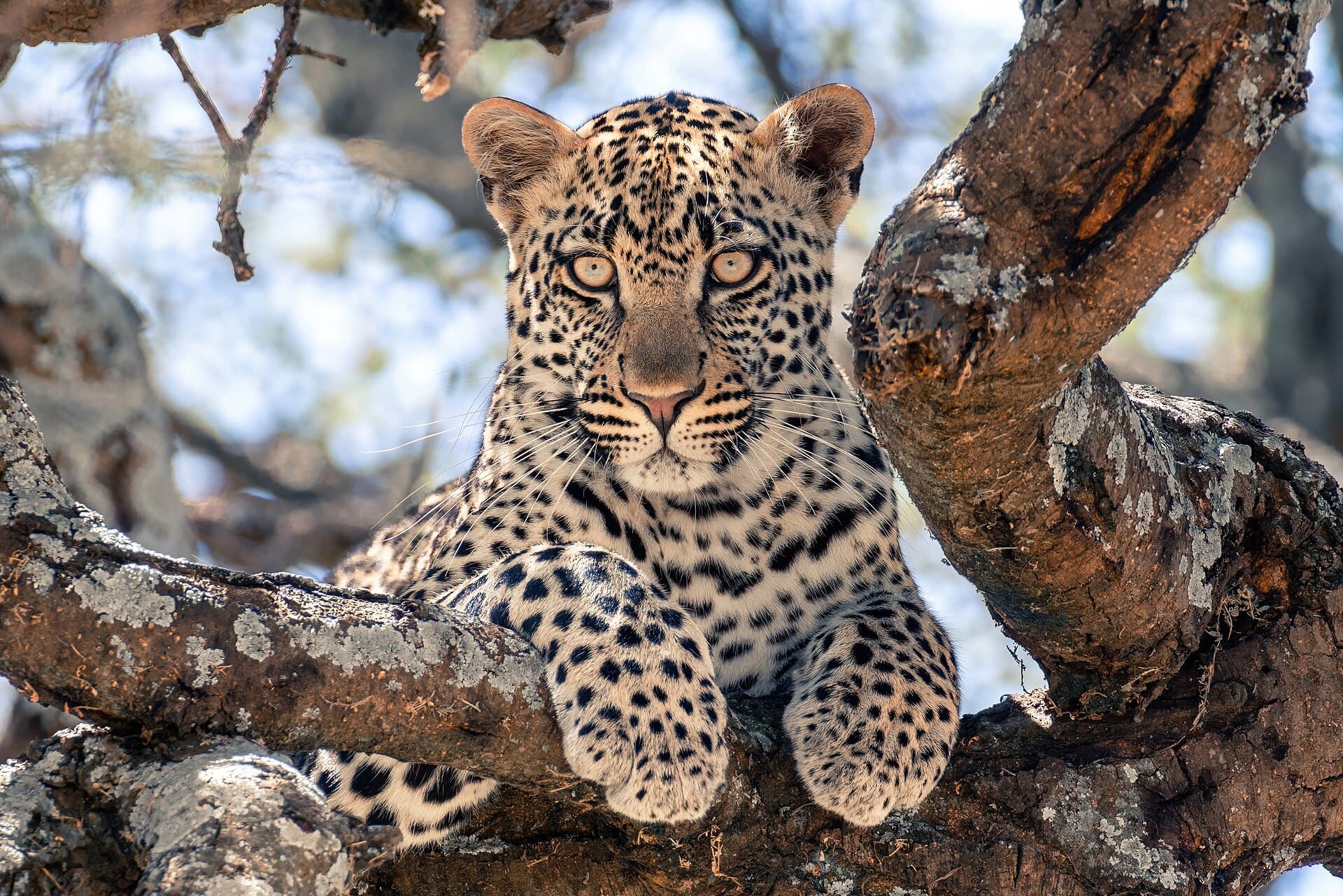
A leopard resting in the fork of a tree in the Serengeti
8 daysJan–Mar

Calving Season Safari

Arusha · Ngorongoro Crater · Olduvai Gorge · Ndutu

Wildlife photographers and returning travelers who want newborn calves and predator action

Best months
Late December – March (calving peaks around February)
Comfort levels
Comfort · Premium · Luxury
Individually quoted
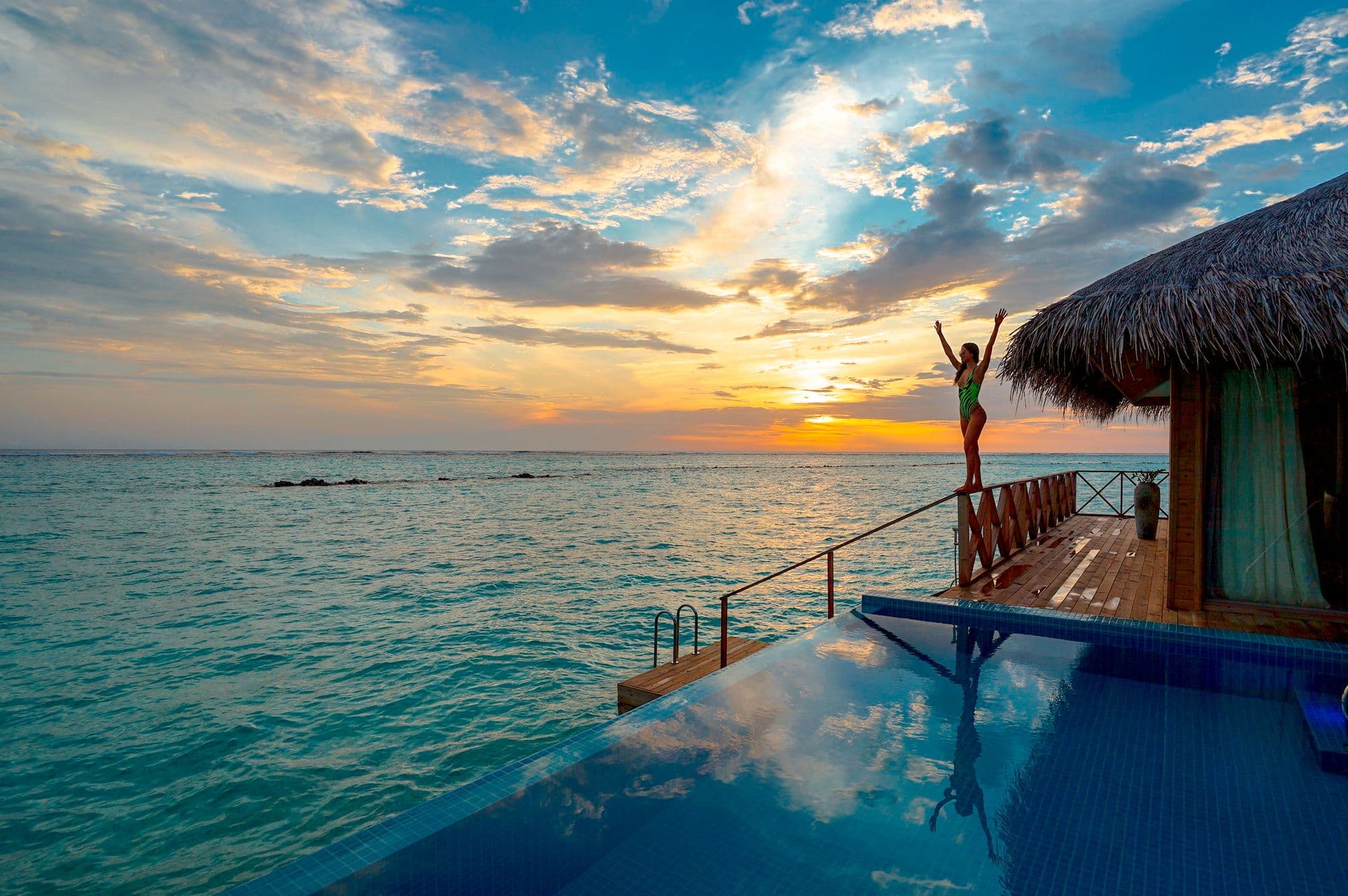
Traveler greeting the sunset from an infinity pool over the Indian Ocean
11 daysSafari + beach

Serengeti + Zanzibar

Arusha · Tarangire · Ngorongoro Crater · Central Serengeti · Zanzibar

Couples, honeymooners and first-timers who want a complete safari followed by real beach time

Best months
June – October and December – February
Comfort levels
Comfort · Premium · Luxury · Ultra-Luxury
Individually quoted
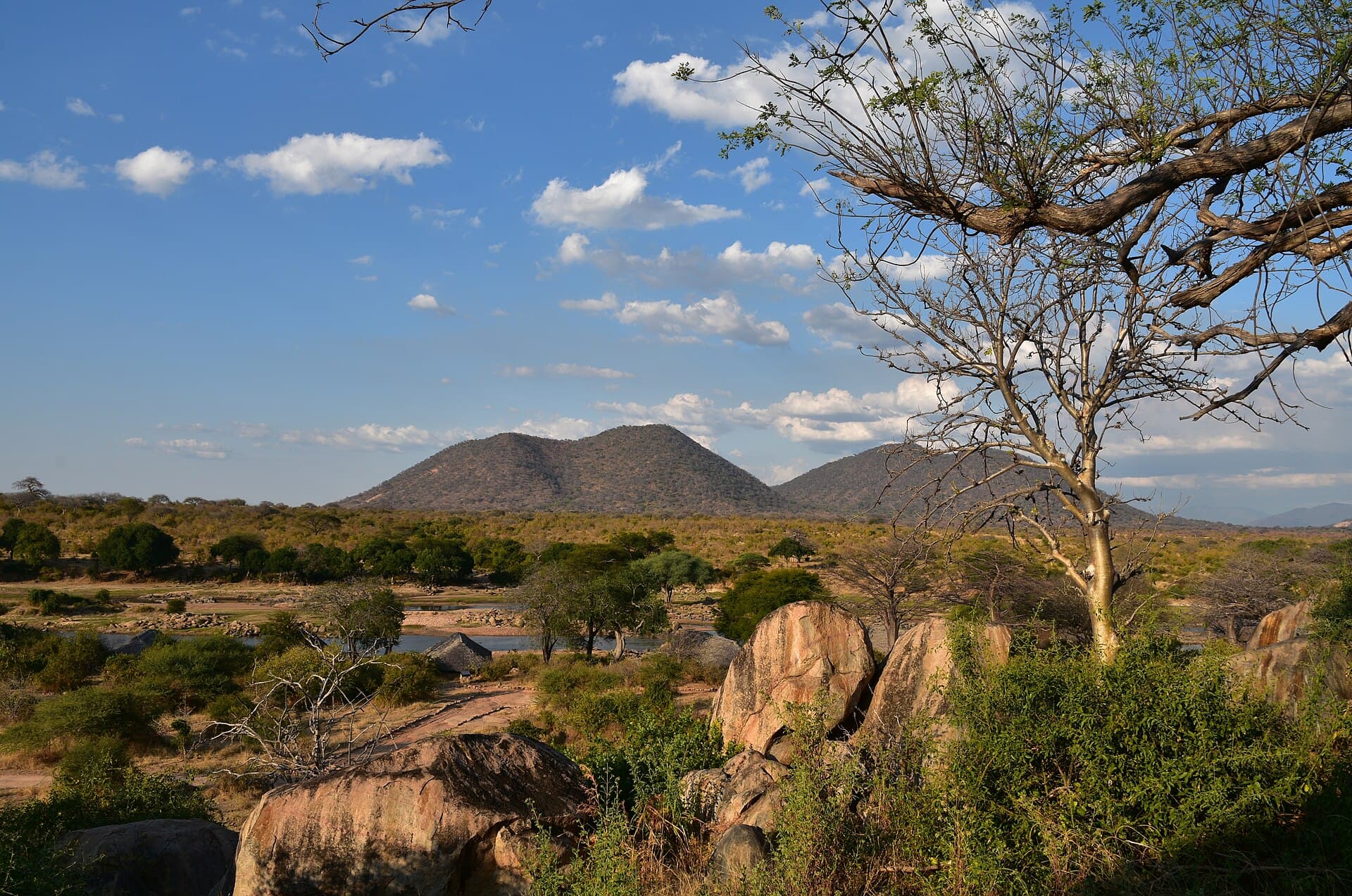
Wild kopje-studded savanna of Ruaha National Park
9 daysRemote safari

Ruaha & Nyerere Wilderness

Dar es Salaam · Nyerere · Ruaha

Second-time safari travelers and anyone who wants wilderness without crowds

Best months
June – October
Comfort levels
Premium · Luxury
Individually quoted

Good to know

Frequently asked questions

What is the best month for a Tanzania safari?

There is no single best month, but two windows are the most sought after: August and September for the northern Serengeti and the river crossings, and February for calving on the southern plains. For a balance of good weather, strong game viewing and slightly fewer vehicles, late June and October are excellent.

Is it worth going on safari in Tanzania’s rainy season?

It can be, if you choose well. The short rains of November and December rarely disrupt a trip and turn the plains green. In the long rains, April is typically the wettest month; the crater and the central Serengeti remain rewarding, but some camps close and certain roads become difficult, in exchange for softer rates and very few vehicles.

When is the best time to combine a safari with Zanzibar?

June to October and December to February, when both the parks and the island are typically dry. Avoid April and May, when Zanzibar has its heaviest rain and some beach hotels close. November is usually fine, with occasional showers.

When are safari rates lowest in Tanzania?

In the green season, roughly March to May, when many camps offer their softest rates of the year. Early June and early November can also be good-value shoulder periods. Park and conservation fees are set separately from camp rates, so the overall saving depends on your choice of camps.

How cold does it get on safari in Tanzania?

Colder than most travelers expect in the highlands. On the Ngorongoro Crater rim, nights from June to August can drop into the 40s °F (single digits °C), and early morning drives in an open vehicle are chilly across the north. Days warm up quickly, so layers work best.

How far in advance should I book a Tanzania safari?

For July to September and the Christmas holidays, 9–12 months ahead gives you the best choice of camps, and the most sought-after migration camps can fill earlier still. For shoulder and green-season dates, three to six months is often enough, though smaller camps still fill.

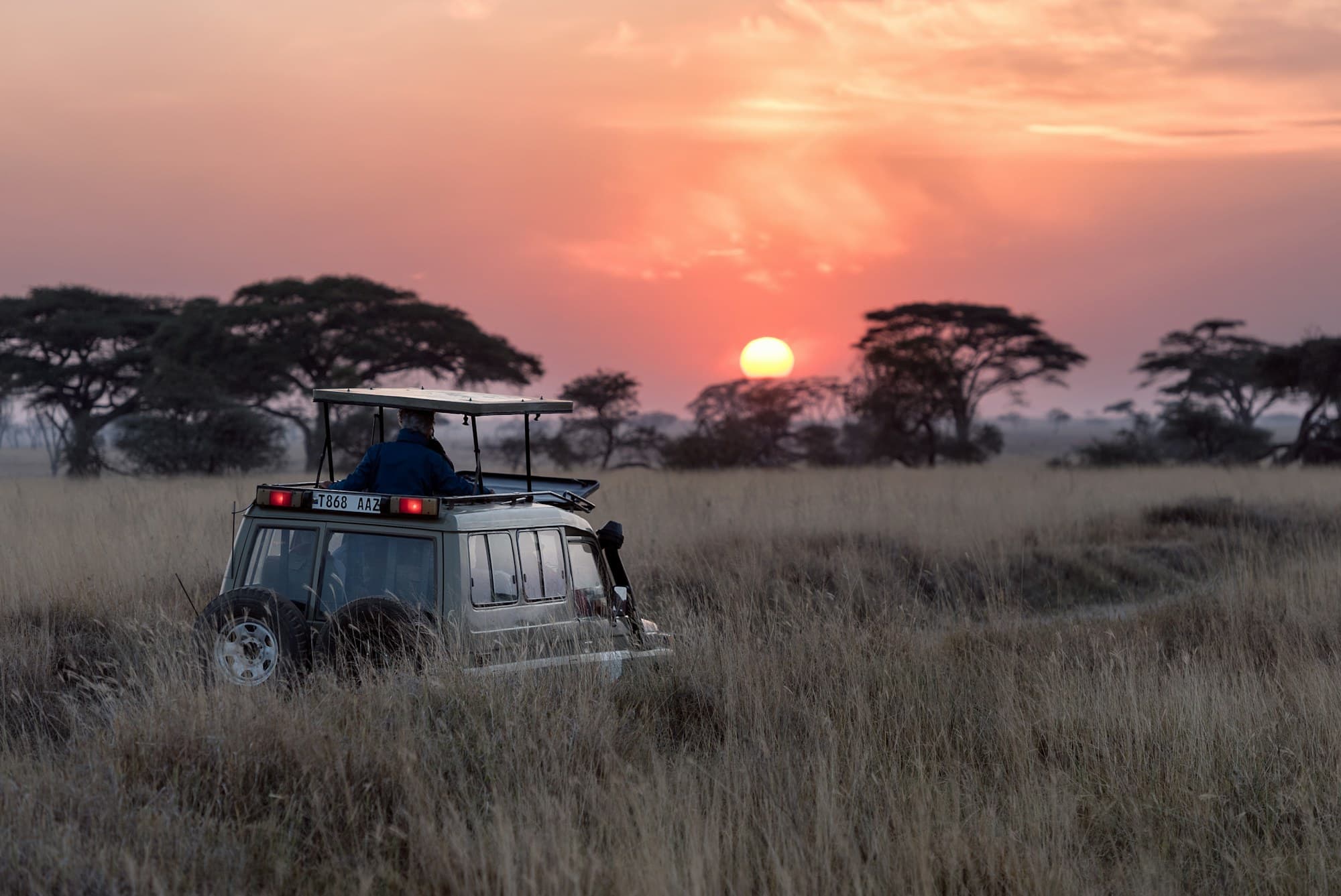
Open safari vehicle with guests on the savanna beneath a dramatic sunset

Tell Us Your Dates

Share when you want to travel, who is coming and what you hope to see. A safari specialist will design a private Tanzania journey around you — no obligation, and nothing booked until you approve it.

Start Designing My Safari