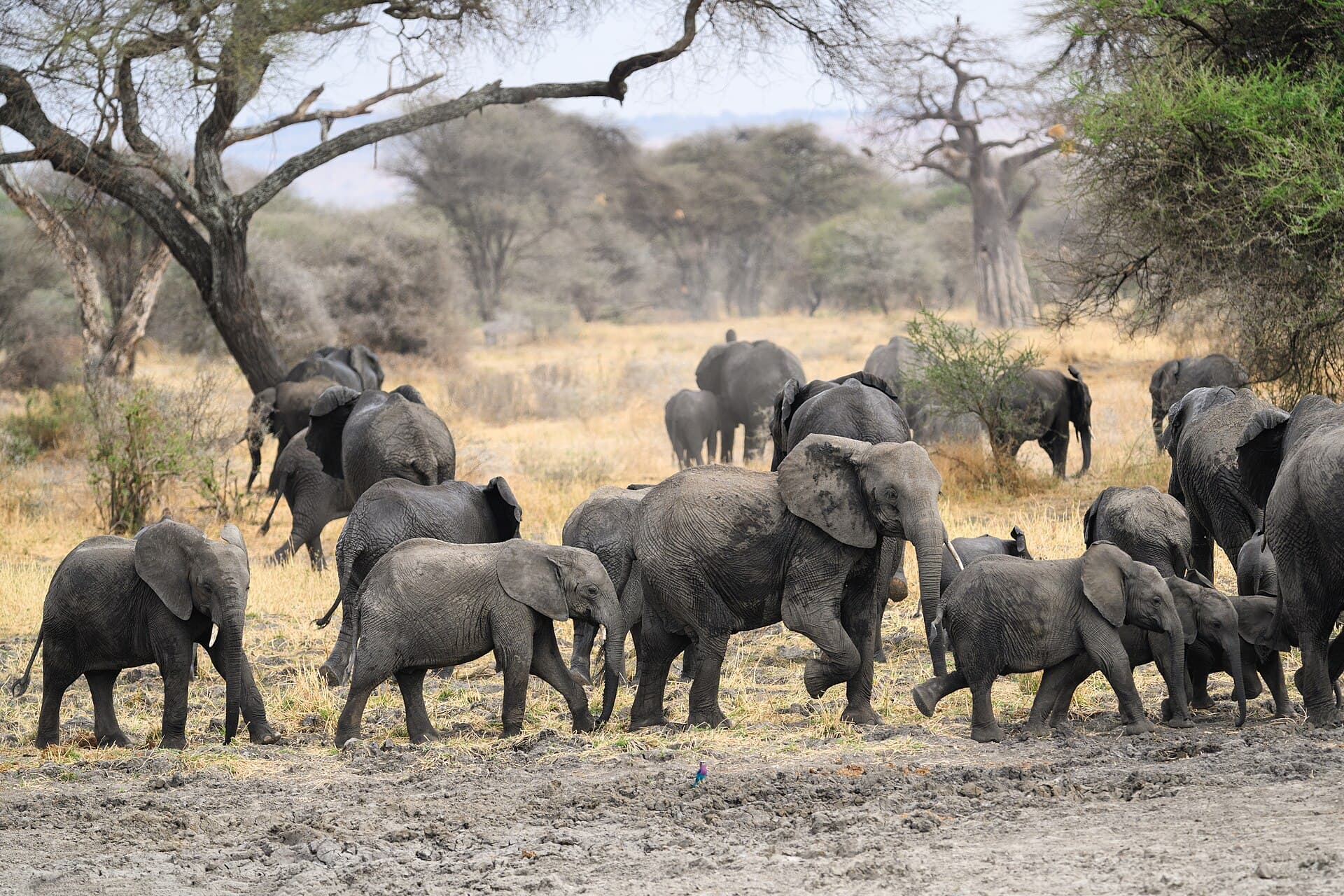
Elephant herd gathered beneath acacia woodland in Tarangire

Tanzania park guide

Tarangire National Park Safaris

Ancient baobabs, a lifeline river and, in the dry season, some of the largest elephant gatherings in northern Tanzania.

SizeAbout 2,850 km² (roughly 1,100 sq mi)
Best timeJune–October, when elephants gather at the river
Recommended stay2 nights; 3 with walking or a night drive
Getting thereAbout 2–2.5 hours by road from Arusha; Kuro airstrip inside the park
Known forDry-season elephant herds, baobabs and exceptional birdlife
Best forElephant lovers, birders, walkers and a first stop from Arusha

Tarangire National Park

Why Visit

Tarangire is the park most travelers underestimate. From around June, as the surrounding plains dry out, the Tarangire River becomes the only dependable water for miles, and wildlife streams back into the park: elephant in herds that can number in the hundreds, wildebeest, zebra and buffalo, and the lions that follow them. In the dry season, few places in northern Tanzania feel so full of life.

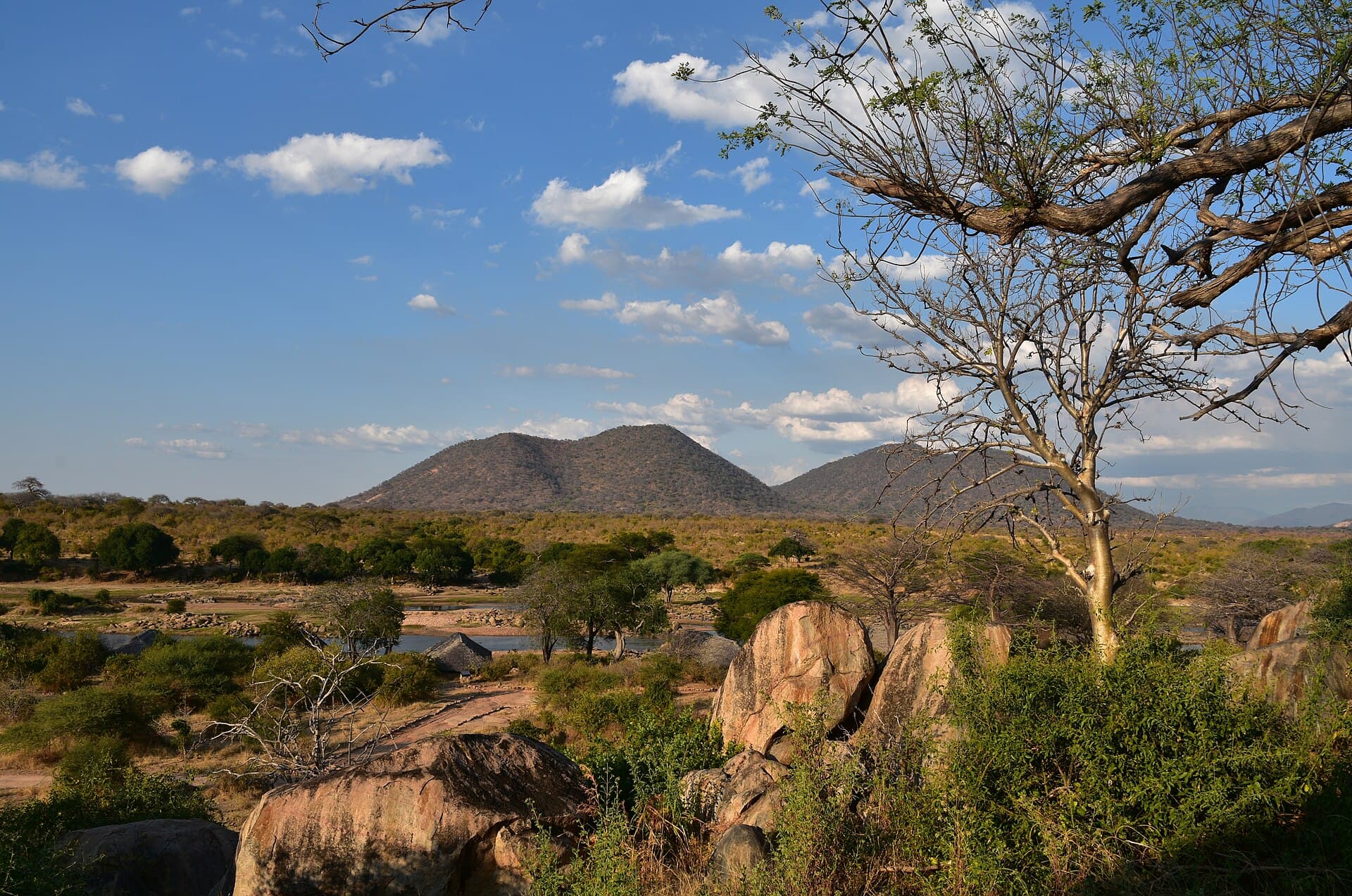
It looks different, too. Ancient baobabs — some thought to be many centuries old — stand over acacia woodland and seasonal swamps, their trunks scarred by elephant tusks. Dry-country antelope rarely seen elsewhere on the circuit, such as fringe-eared oryx and lesser kudu, live in the quieter south, and more than 500 bird species have been recorded, including yellow-collared lovebirds found naturally only in Tanzania.

About two hours from Arusha on a paved road, Tarangire is the natural first stop on a northern circuit safari. Give it two nights rather than a drive-through on the way to the crater. The concessions and wildlife management areas on its borders offer walking safaris and night drives — both rare in the parks further along your route — and the contrast with Lake Manyara and the crater makes the whole journey richer.

Best for

  • Elephant lovers, especially June–October
  • Birders, with migrants from November to April
  • Walking safaris and night drives in the concessions
  • A gentle first stop after the long flight
  • Travelers who love baobab woodland as much as open plains

Tarangire National Park

Wildlife & Highlights

  • Elephant herds, sometimes hundreds strong, along the river in the dry season
  • Lion prides, occasionally resting up in trees
  • Leopard in the riverine woodland (with luck)
  • Fringe-eared oryx and lesser kudu in the drier south
  • Buffalo, wildebeest and zebra at the river, June–October
  • Giraffe browsing among the baobabs
  • Dwarf mongoose colonies in old termite mounds
  • African rock python in swamp-edge trees (rarely seen)
  • Yellow-collared lovebirds and ashy starlings, both endemic to Tanzania
  • Southern ground hornbills, kori bustards and bateleur eagles

Season

Best Time to Visit

  1. January
  2. February
  3. March
  4. April
  5. May
  6. June
  7. July
  8. August
  9. September
  10. October
  11. November
  12. December
June–OctoberDry season and peak game. Elephant, buffalo and plains game concentrate along the river and at Silale Swamp. Tsetse flies are active in wooded areas — wear khaki or olive rather than dark blue or black.
November–DecemberThe short rains. Herds begin to disperse onto the plains outside the park, the bush turns green and migrant birds arrive from Europe and Asia.
January–MarchGreen and quiet, with a drier spell in January–February. Wildebeest and zebra typically calve outside the park, but resident elephants remain and birding is at its finest.
April–MayThe long rains. Some tracks become impassable and a few camps close. Lush and beautiful, but game is widely scattered.

Tarangire National Park

Areas to Know

Tarangire River & the northern park

Most visitors enter from the north, where the Tarangire River carves a broad valley overlooked by baobab-studded ridges. In the dry season this is where game is densest: elephant families crossing the sandy riverbed, lions resting in the shade, buffalo coming down to drink. It is also the busiest part of the park, since day trips rarely go further, so an early start or a late-afternoon drive pays off.

Best for: Dry-season elephants and classic river views

Silale Swamp & the south

South of the main river circuits, Silale Swamp stays green through the dry months, drawing elephant to wade and graze and lions to hunt the buffalo gathered at its edge. Beyond it, the park grows wilder and emptier: open plains and woodland where fringe-eared oryx and lesser kudu live, and where you may drive for an hour without passing another vehicle. It rewards a full day with a picnic lunch.

Best for: Solitude, swamp-edge herds and dry-country antelope

Surrounding concessions & wildlife management areas

Much of Tarangire’s wildlife spends the wet season outside the park, on community land set aside for conservation, such as the Burunge and Randilen wildlife management areas, and on private concessions along the boundary. Here the rules are different: walking safaris with an armed guide, night drives with a spotlight and dinners under the stars. Staying here also helps channel tourism revenue to the Maasai communities who share their land with wildlife.

Best for: Walking, night drives and privacy

Tarangire National Park

Getting There

Tarangire lies south-west of Arusha, and the drive follows a paved highway most of the way, with the main gate a few kilometers off the main road; allow about two to two and a half hours. Scheduled and charter light aircraft land at Kuro airstrip inside the park, useful if you add Tarangire to a fly-in itinerary. Some concession camps sit an hour or more from the main gate on bush tracks, so factor that into arrival days.

Drive or fly?

Drive. Tarangire is the first stop on most northern-circuit routes, the road from Arusha is paved, and arriving by vehicle means your guide is with you from the first game drive onward. Flying into Kuro makes sense in two cases: adding Tarangire to a fly-in Serengeti trip, or reaching a concession camp far from the gate without a long transfer. Otherwise, the two-hour drive is an easy, scenic way to settle into Tanzania after a long-haul flight.

Airstrips

  • Kuro

Typical drive times

Arusha to the Tarangire main gate
About 2–2.5 hours
Kilimanjaro Airport (JRO) to Tarangire
About 3–3.5 hours
Tarangire to Lake Manyara
About 1–1.5 hours
Tarangire to Karatu
About 2 hours

Stays

Where to Stay

Inside the park, a small number of lodges and tented camps sit on ridges above the river, putting you in the heart of the dry-season action. Around the boundary, concession camps trade a longer drive to the river for walking, night drives and far fewer vehicles. For families, a lodge with a pool close to the main gate keeps drive times short. With two nights to spare, a concession camp gives you the widest range of activities.

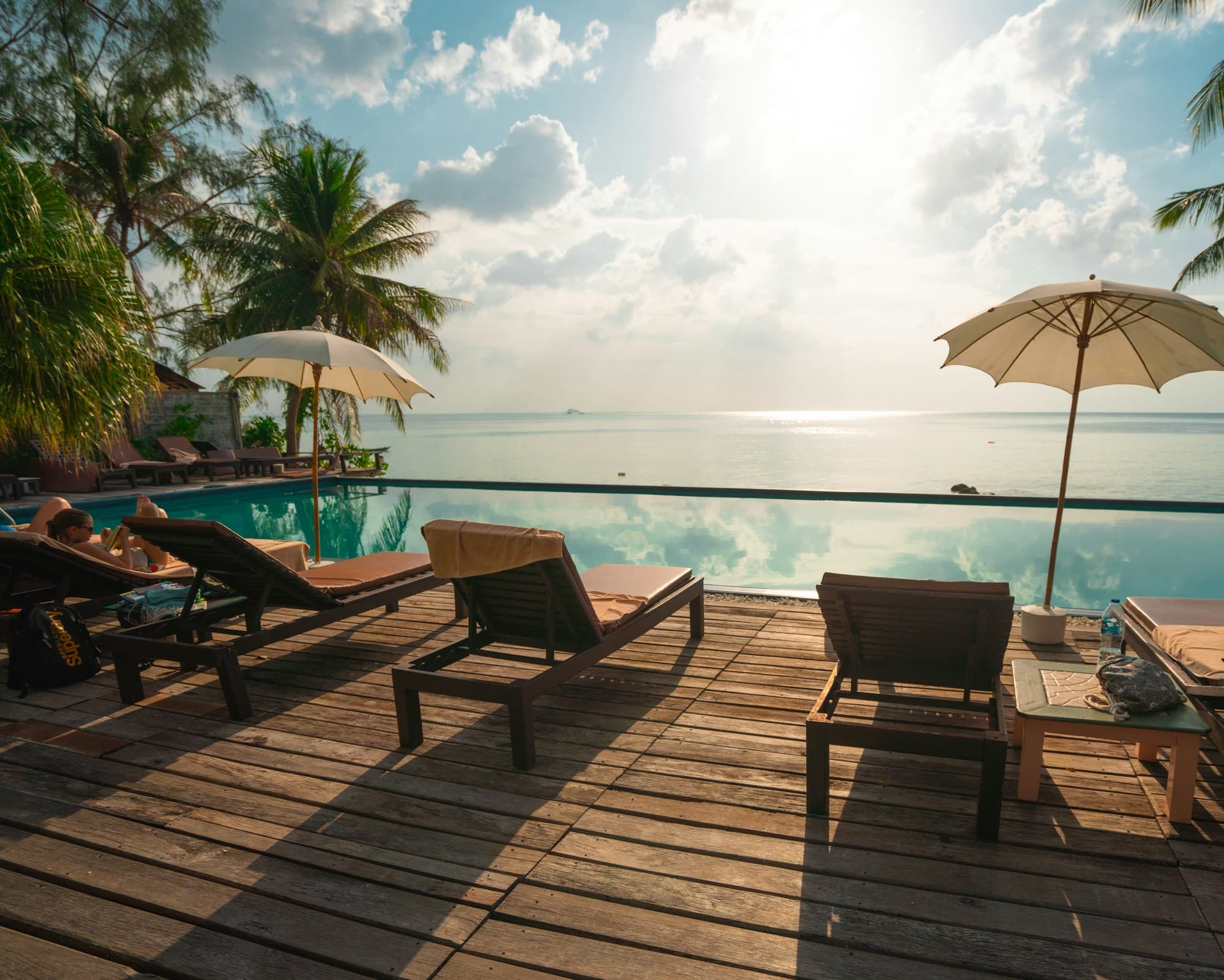
Luxury lodge deck with loungers and umbrellas at golden hourComfort

Tarangire · park edge

Baobab-View Safari Lodge

Lodge

This friendly lodge on the edge of Tarangire pairs simple, comfortable rooms with a terrace looking out over baobab country toward the park. Drive times to the gate are short for early starts, and the pool is a welcome break for children in the heat of the afternoon.

  • Comfortable rooms or chalets with en-suite bathrooms
  • Pool and shaded terrace for the midday heat
  • Family rooms at many
  • Sundowner views over the baobabs

Ideal for: Families and first-time visitors who want good value, a pool and easy access to the park
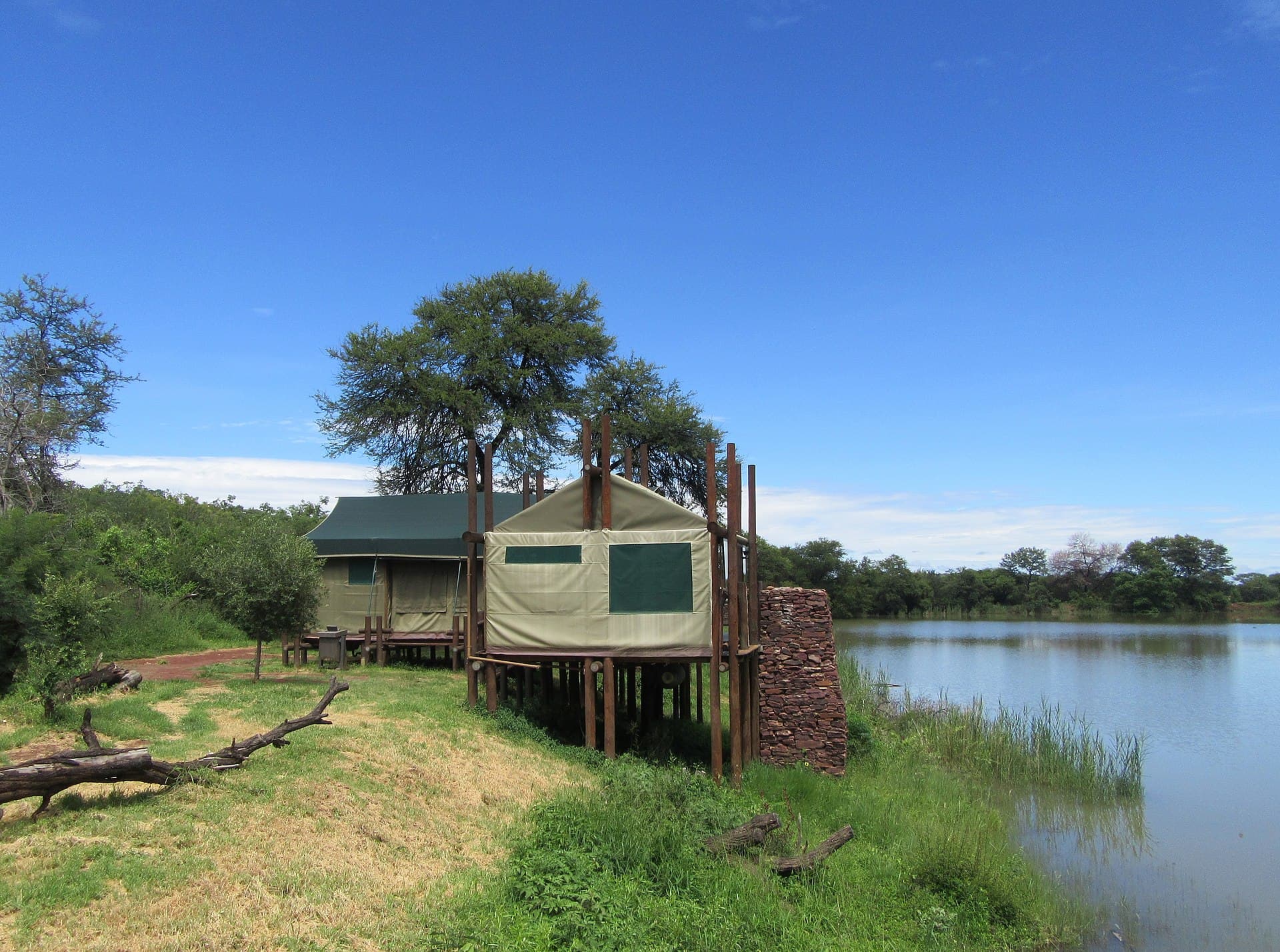
A canvas safari tent set among trees at a private tented campPremium

Tarangire · river valley

River-Valley Tented Camp

Tented camp

Canvas tents stand above the Tarangire River, where elephants often file down to the water in the dry season and the sounds of the bush carry into the tent at night. Most sit inside the park, so you are out on the game-drive loops within minutes of breakfast.

  • Spacious en-suite tents with private verandas
  • River-valley views from the lounge and deck
  • Bush breakfasts and sundowners on request
  • Pool at some, for the hottest hours of the day

Ideal for: Couples and photographers who want to wake up close to Tarangire’s elephants

A canvas safari tent set among trees at a private tented campLuxury

Tarangire · private concession

Private Concession Tented Camp

Tented camp

Staying in a small, stylish camp on a private wildlife concession bordering Tarangire, you share the landscape with very few other vehicles. Because the concession sits outside the national park, guided walks, night drives and fly-camping nights are often possible, depending on its rules.

  • A handful of large tents, with outdoor showers at some
  • Walks with an armed ranger and your guide
  • Night drives where the concession permits
  • Private lantern-lit dinners in the bush

Ideal for: Couples and returning travelers who want privacy, walking and a wilder side of Tarangire

Experiences

Experiences

Wild kopje-studded savanna of Ruaha National Park

On foot

Walking Safaris

Leave the vehicle behind and read the bush up close with an armed ranger — tracks, birdcalls and the thrill of being on foot in big-game country.

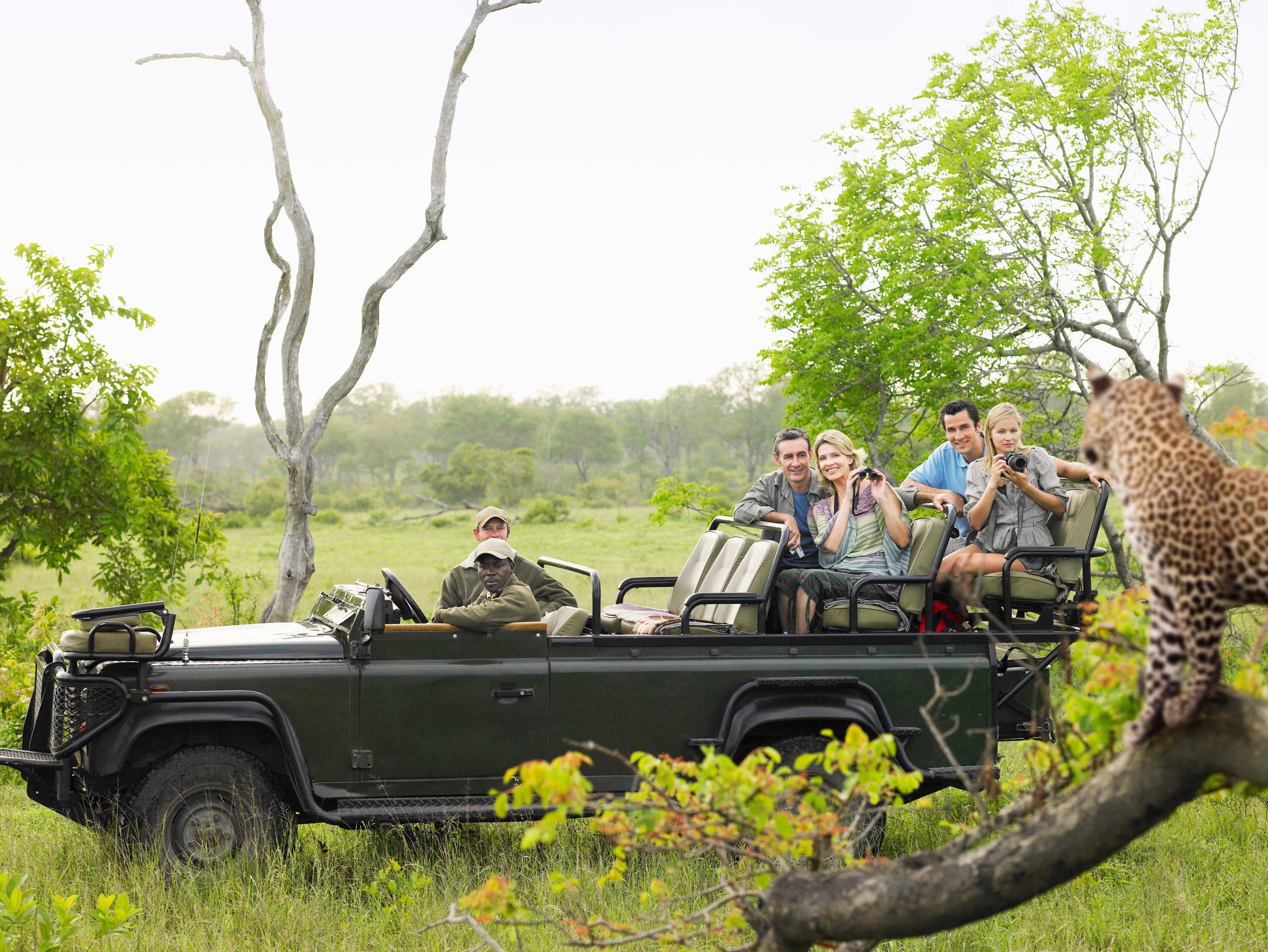
Safari guests in an open vehicle watching a leopard at close range on a private game drive

After dark

Night Game Drives

Head out after dark with a red-filtered spotlight to find the bush’s nocturnal cast — genets, bushbabies, hunting predators and, with luck, an aardvark.

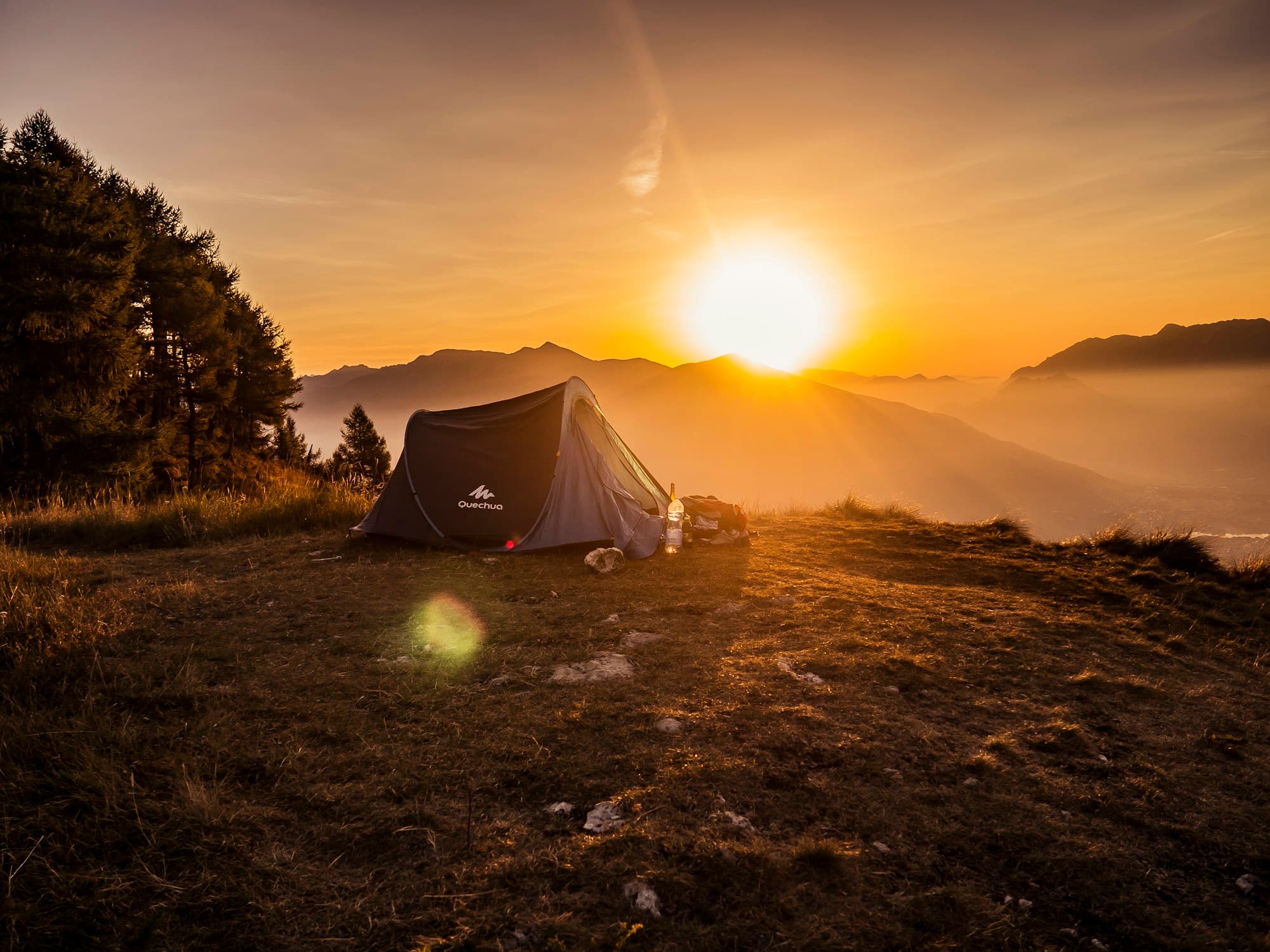
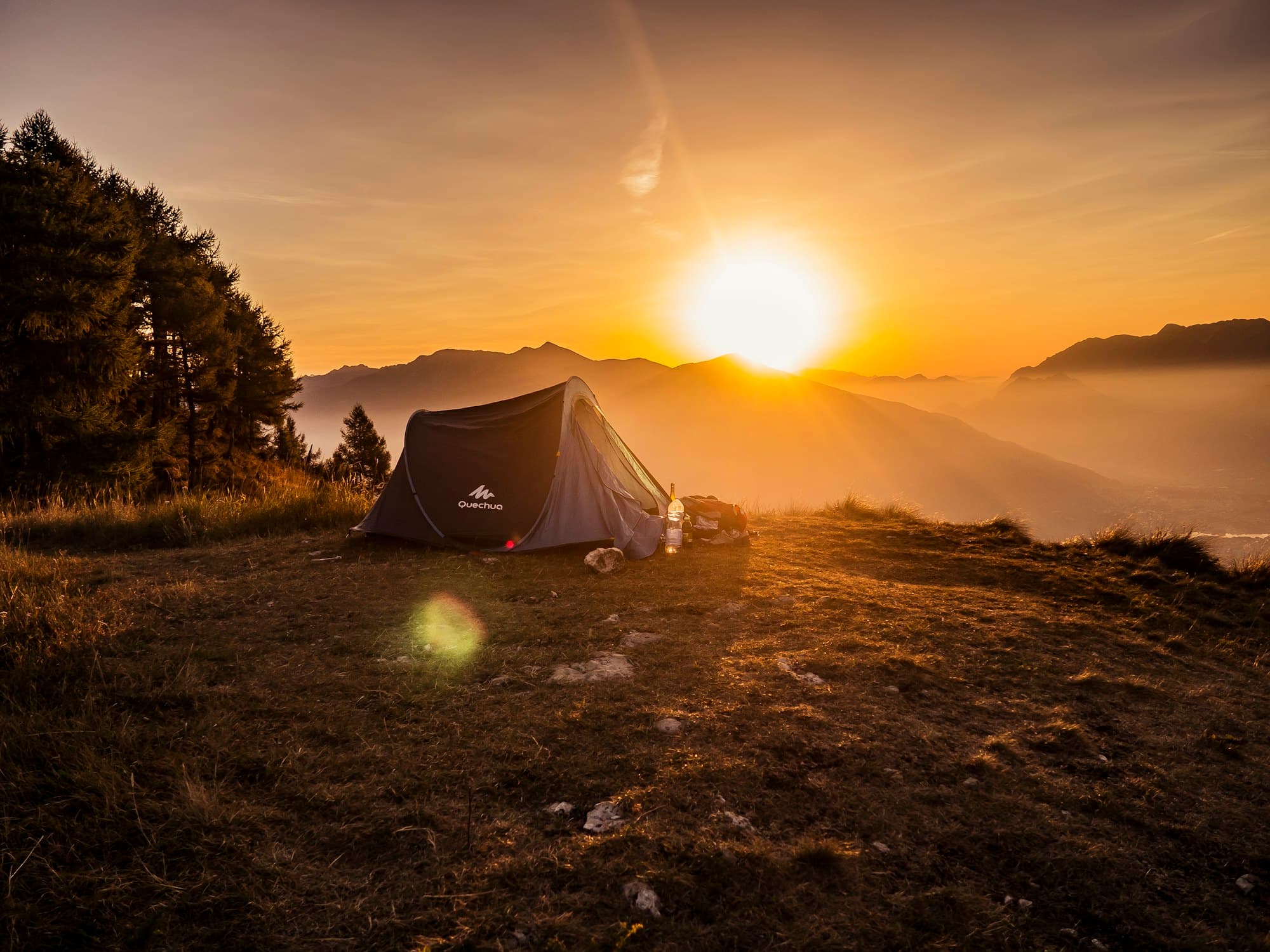
Tented camp glowing at sunrise over golden hills

Bush dining

Bush Breakfast

After a dawn game drive, pull up to a table laid in the shade — fresh coffee, eggs cooked to order and a view with animals in it.

Luxury tented camp glowing at golden hour over rolling savanna hills

Bush dining

Bush Dinner

Dinner by lantern and firelight in the open bush, with the stars overhead and the night’s sounds for company.

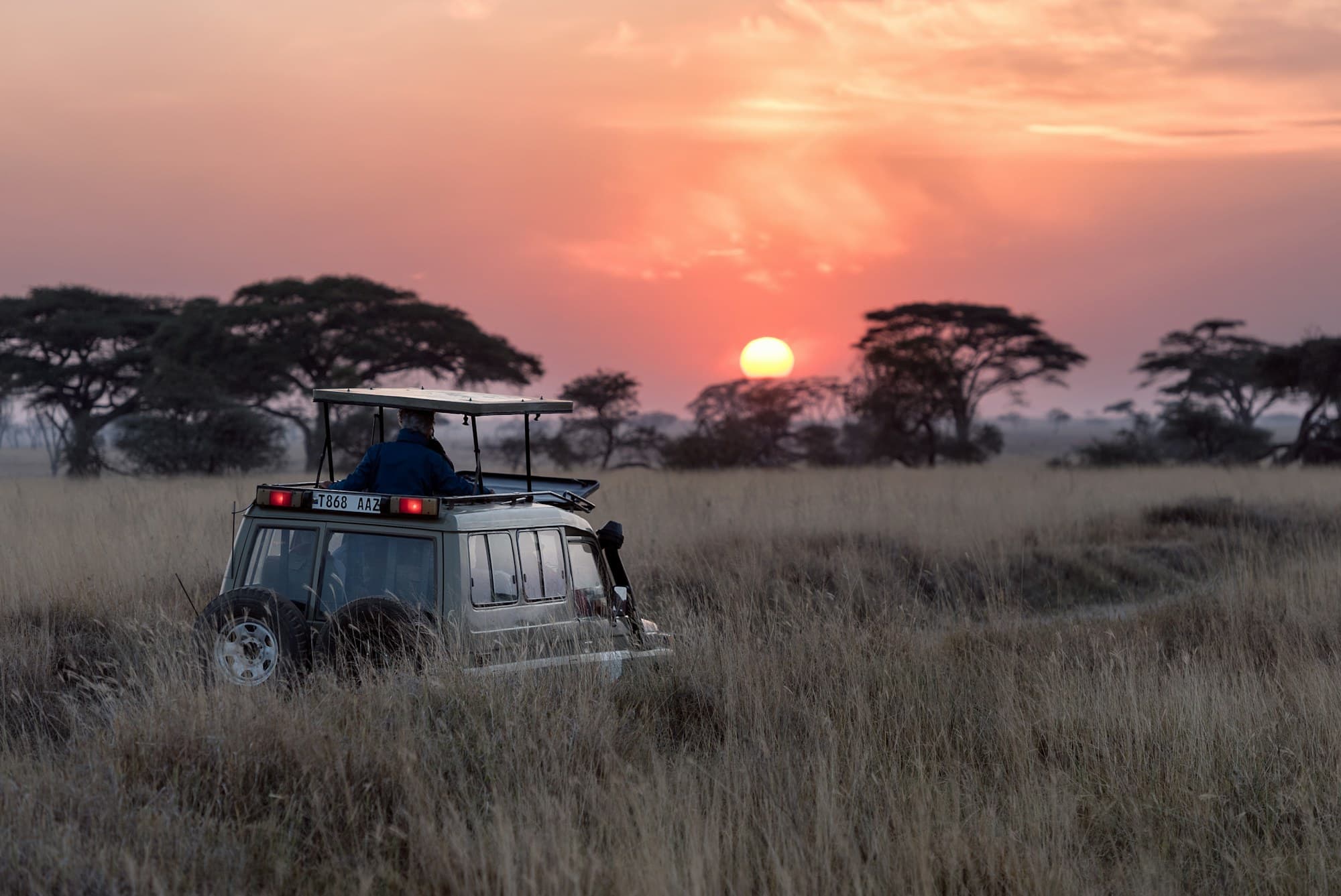
Open safari vehicle with guests on the savanna beneath a dramatic sunset

Bush dining

Sundowners

End the day parked on a kopje or riverbank with a cold drink in hand as the sun drops quickly over the bush.

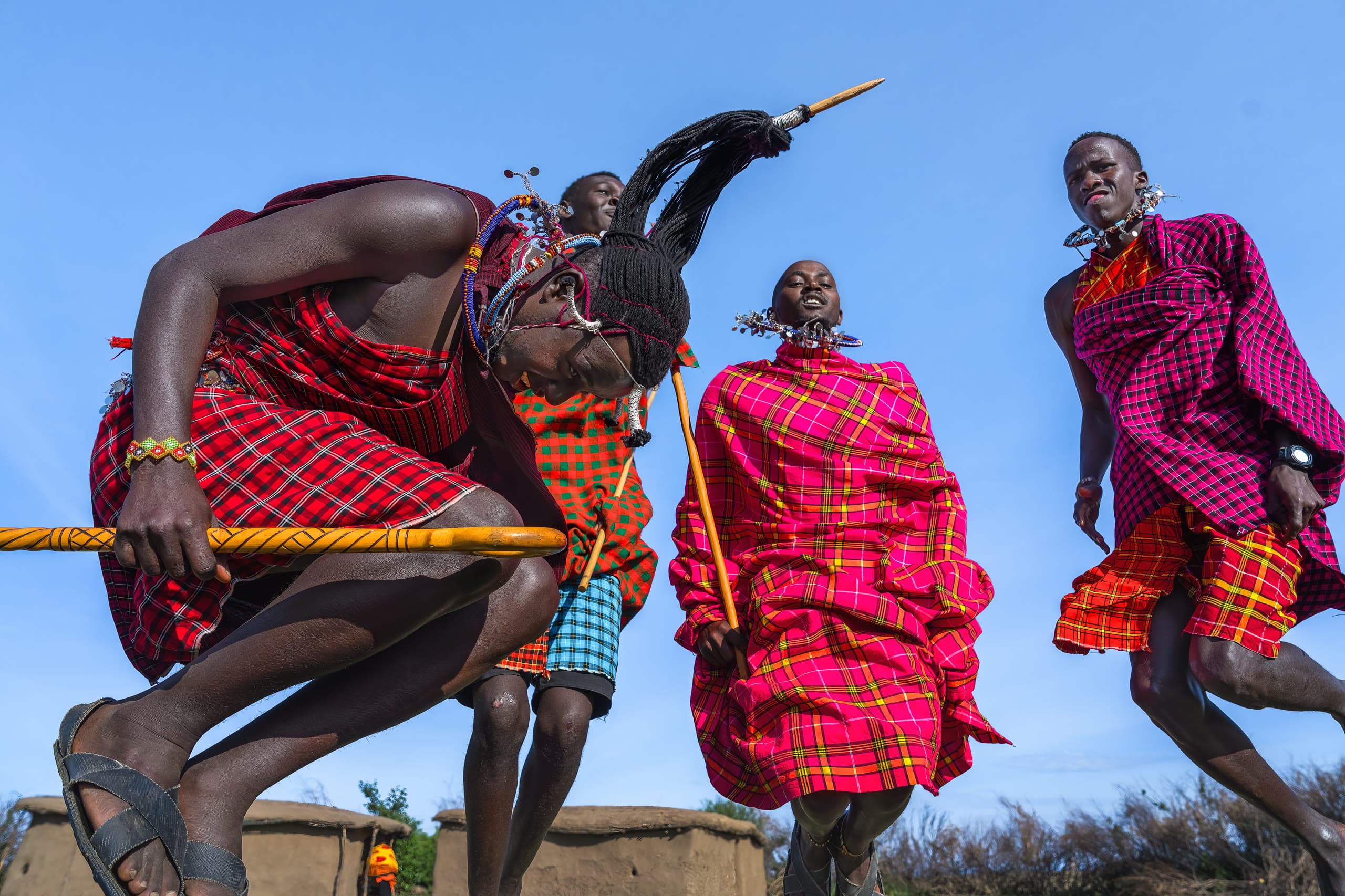
Maasai warriors performing a traditional jumping dance during a cultural visit

Culture

Maasai Cultural Experience

Spend unhurried time with a Maasai community on a visit they lead — homesteads, herding life and honest conversation rather than a staged show.

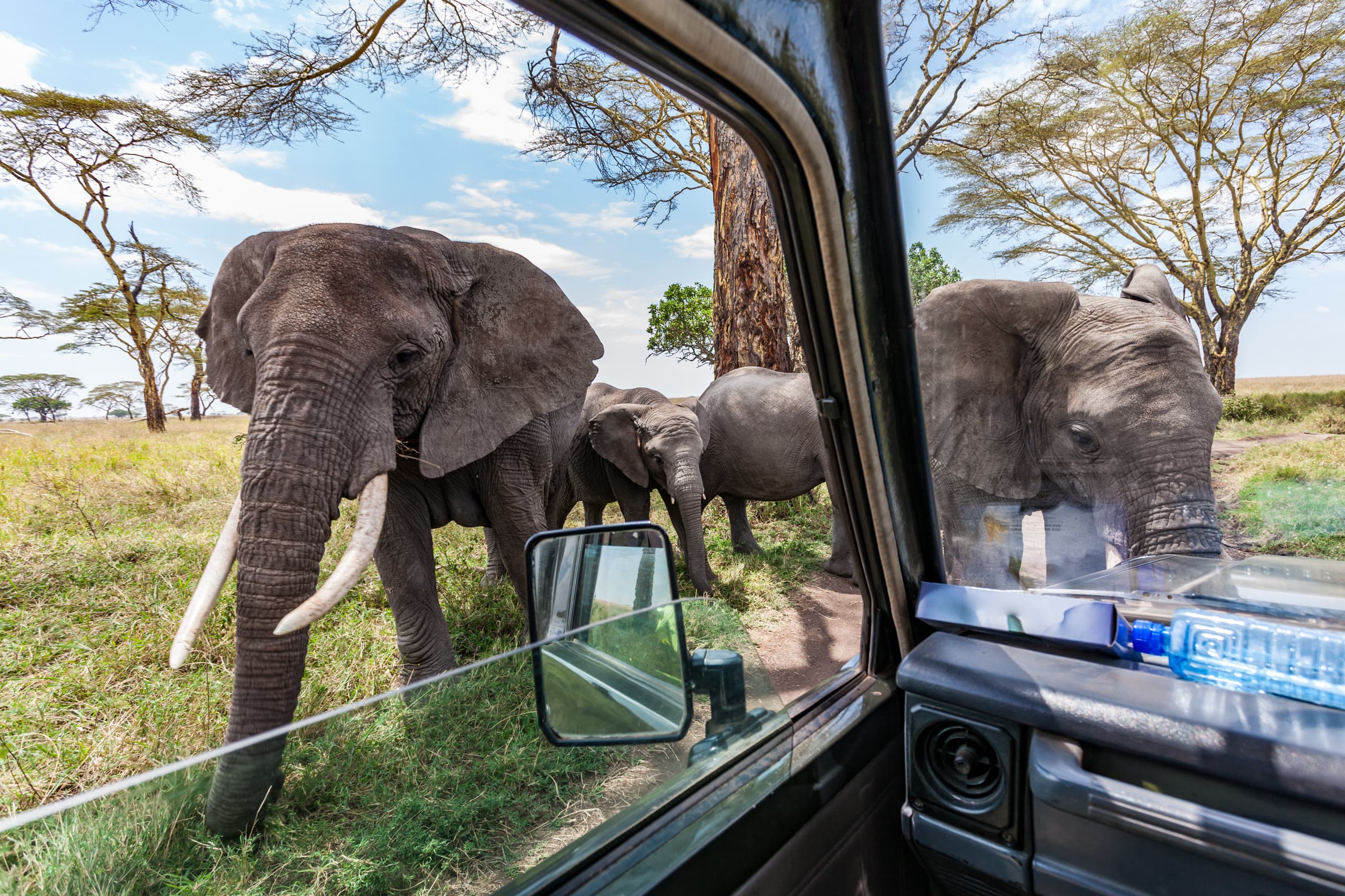
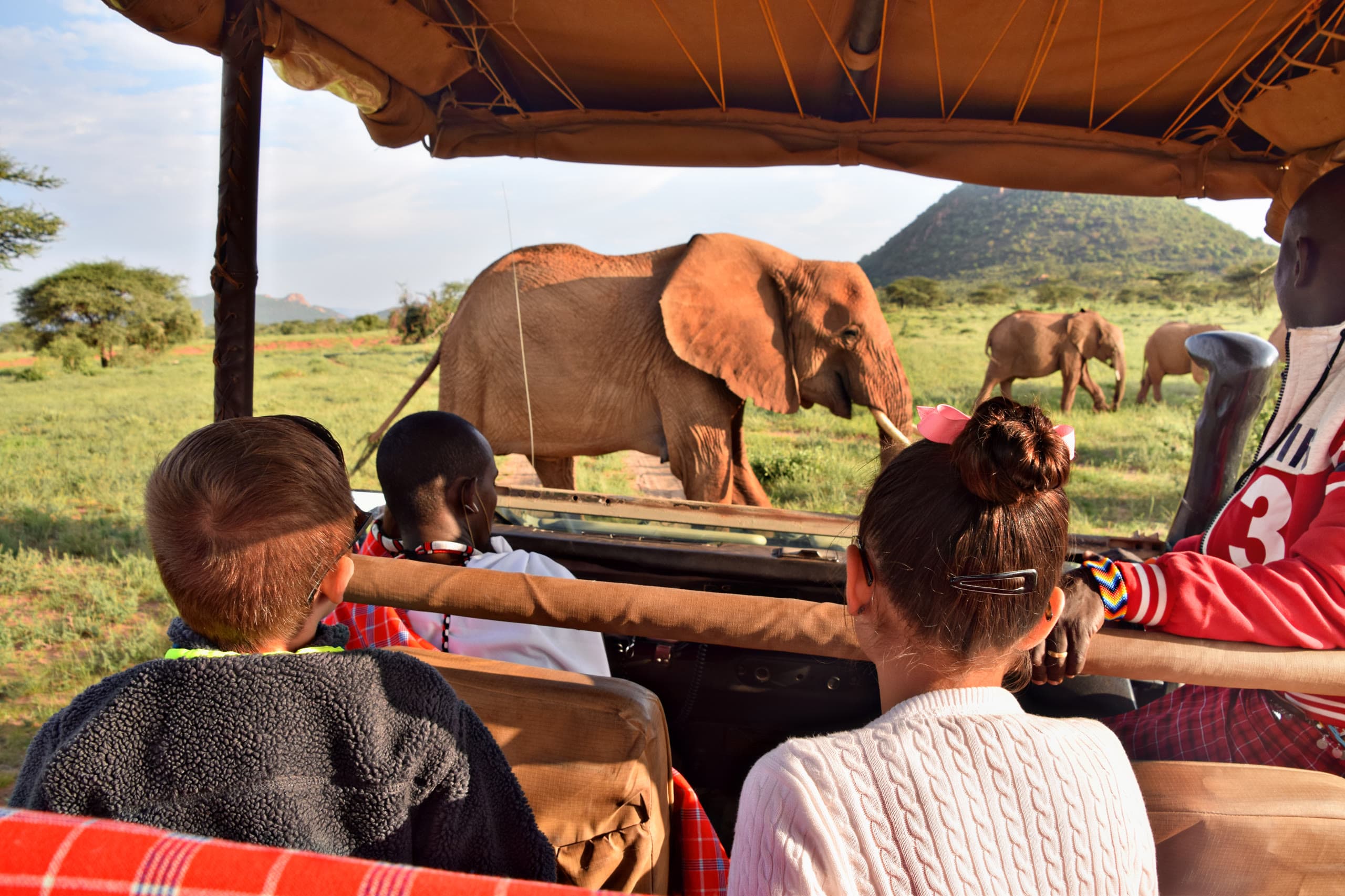
Elephants seen up close from inside a private safari vehicle

Photography

Private Photography Vehicle

A private vehicle set up for cameras — fewer guests, a window each, bean bags and a guide who thinks in light and angles.

Getting around

Fly-In Safari

Hop between parks by light aircraft, trading long drives for more time on the ground and a bird’s-eye view of the country in between.

Safaris

Safaris That Include Tarangire National Park

Safari guests in an open vehicle watching a leopard at close range on a private game drive
6 daysFirst safari

Tanzania Essential

Arusha · Tarangire · Ngorongoro Crater · Central Serengeti

First-time travelers with limited leave who want the northern circuit’s icons in under a week

Best months
Year-round except April – May
Comfort levels
Comfort · Premium · Luxury
Individually quoted
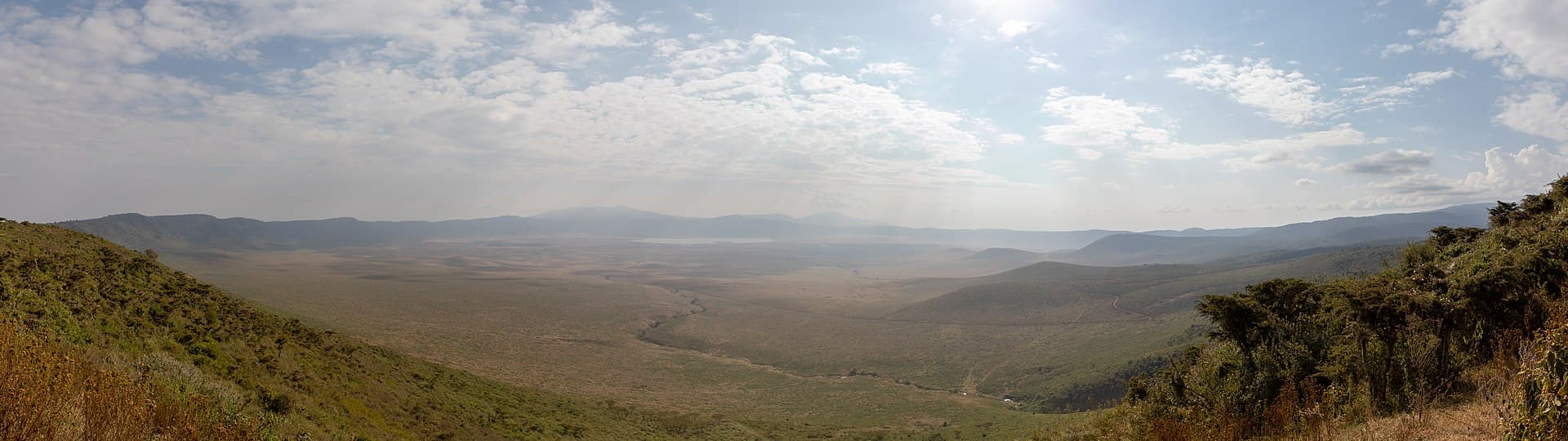
View across the Ngorongoro Crater floor from the forested rim
9 daysComplete introduction

Tanzania Northern Circuit

Arusha · Tarangire · Ngorongoro Crater · Olduvai Gorge · Central Serengeti

First-time travelers who want the complete northern circuit, with room to breathe

Best months
June – March, routed to the season
Comfort levels
Comfort · Premium · Luxury · Ultra-Luxury
Individually quoted
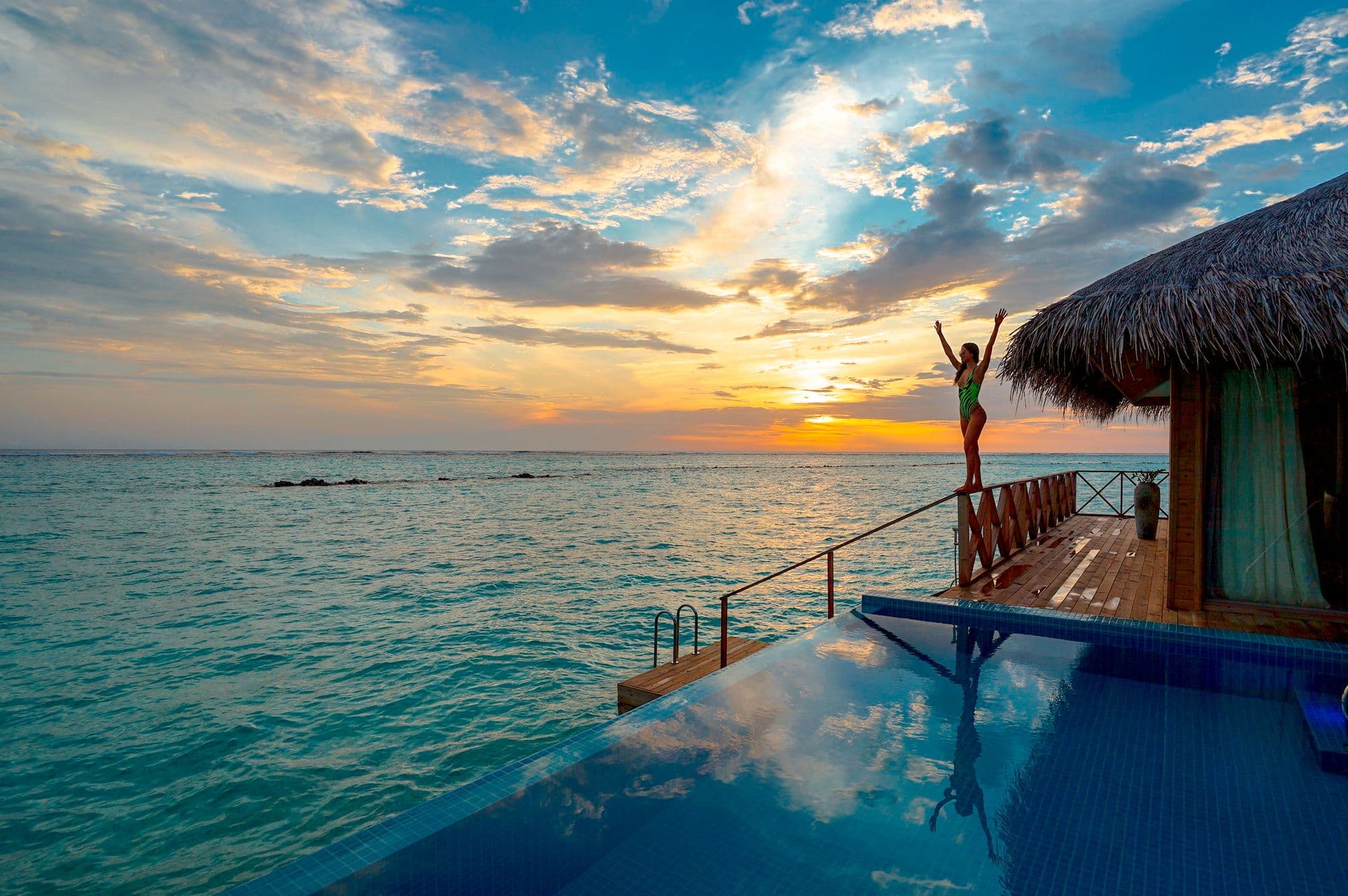
Traveler greeting the sunset from an infinity pool over the Indian Ocean
11 daysSafari + beach

Serengeti + Zanzibar

Arusha · Tarangire · Ngorongoro Crater · Central Serengeti · Zanzibar

Couples, honeymooners and first-timers who want a complete safari followed by real beach time

Best months
June – October and December – February
Comfort levels
Comfort · Premium · Luxury · Ultra-Luxury
Individually quoted
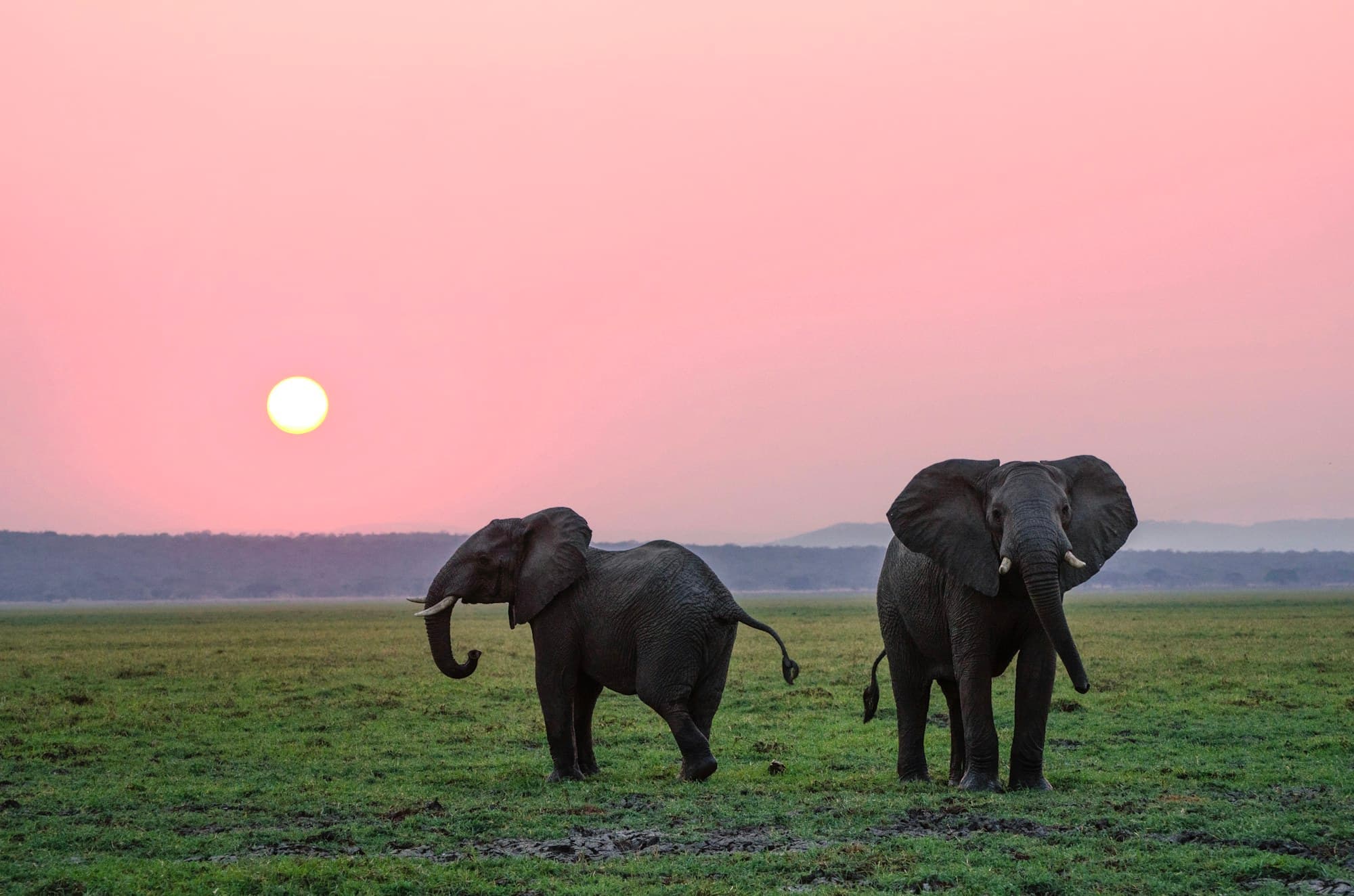
Two elephants together beneath a soft pink dusk sky
12 daysCouples

Tanzania Honeymoon

Arusha · Tarangire · Ngorongoro Crater · Central Serengeti · Zanzibar

Couples who want privacy, a gentle rhythm and a proper beach finish

Best months
June – October and December – February
Comfort levels
Premium · Luxury · Ultra-Luxury
Individually quoted
Safari guests watching a herd of elephants from an open vehicle on a family game drive
9 daysFamilies

Tanzania Family Safari

Arusha · Tarangire · Karatu · Ngorongoro Crater · Central Serengeti

Families with school-age children who want a first safari without marathon drives

Best months
June – October and December – February (book early for school holidays)
Comfort levels
Comfort · Premium · Luxury
Individually quoted
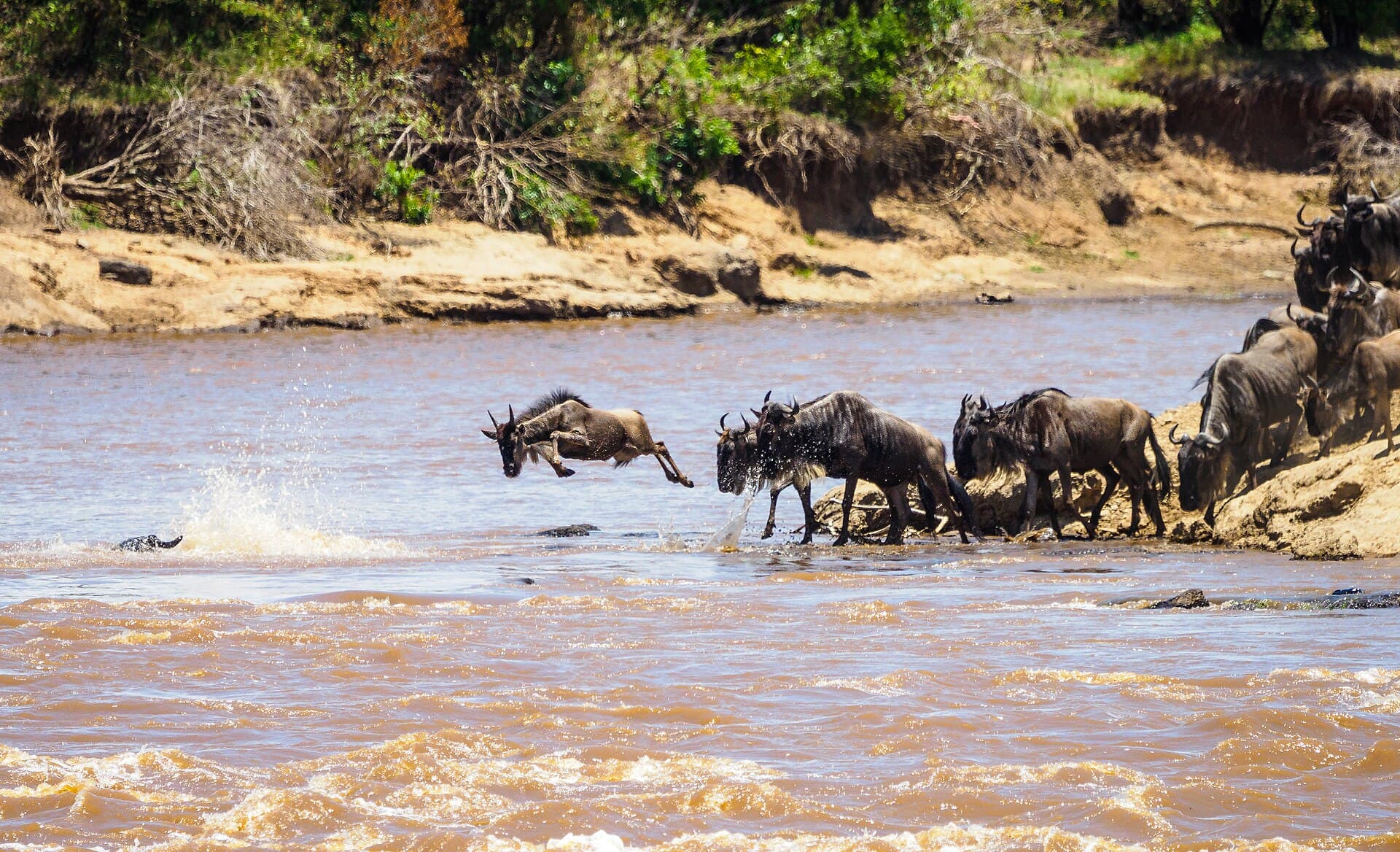
Wildebeest leaping into the Mara River during the Great Migration crossing
10 daysJul–Oct

Northern Serengeti River Crossing

Arusha · Tarangire · Ngorongoro Crater · Central Serengeti · Northern Serengeti

Travelers set on seeing a river crossing, with the patience to wait for one

Best months
July – October
Comfort levels
Premium · Luxury · Ultra-Luxury
Individually quoted

Good to know

Frequently asked questions

Is Tarangire worth visiting?

Yes, particularly June–October, when its elephant concentrations are often counted among the most impressive in East Africa. It also offers walking and night drives in the surrounding concessions, a landscape unlike anywhere else on the circuit and superb birding. In the long rains of April and May, game is more scattered and the park is harder to recommend over the Serengeti.

How many nights should I spend in Tarangire?

Two nights is the sweet spot: a full day lets you reach Silale Swamp and the quieter south rather than looping the busy river circuit. Add a third night if you are staying in a concession and want to walk or take a night drive. A single night works on shorter itineraries, but much of it goes to arriving and leaving.

Can I see the Great Migration in Tarangire?

No — the Great Migration moves between the Serengeti and Kenya’s Masai Mara and does not reach Tarangire. Tarangire has its own, much smaller seasonal movement: wildebeest and zebra disperse onto the plains outside the park in the wet season and return to the river as it dries. For the Great Migration itself, the Serengeti is where to go.

Are there tsetse flies in Tarangire?

Yes, in the wooded parts of the park, particularly in the dry season. Their bites sting, so wear light, neutral colors — they are drawn to dark blue and black — and long sleeves. For current advice on insect-borne disease, consult a travel-health clinic before you travel.

Can I go walking or on a night drive in Tarangire?

Yes, though mainly outside the park itself. Concessions and wildlife management areas on Tarangire’s borders offer walking safaris with an armed guide and night drives with a spotlight, when genets, bushbabies and, very occasionally, aardvark appear. Short ranger-escorted walks may also be possible inside the park; the options depend on where you stay, and we plan around them.

Tarangire or Lake Manyara — which should I choose?

For most travelers, Tarangire: it is larger, wilder and, in the dry season, far richer in game. Lake Manyara suits shorter trips because it sits directly on the road to the crater, and it shines for birders and for its forest. With time for both, give Tarangire two nights and Manyara a half-day en route.

Open safari vehicle with guests on the savanna beneath a dramatic sunset

Tell Us Your Dates

Share when you want to travel, who is coming and what you hope to see. A safari specialist will design a private Tanzania journey around you — no obligation, and nothing booked until you approve it.

Plan a Tarangire National Park safari