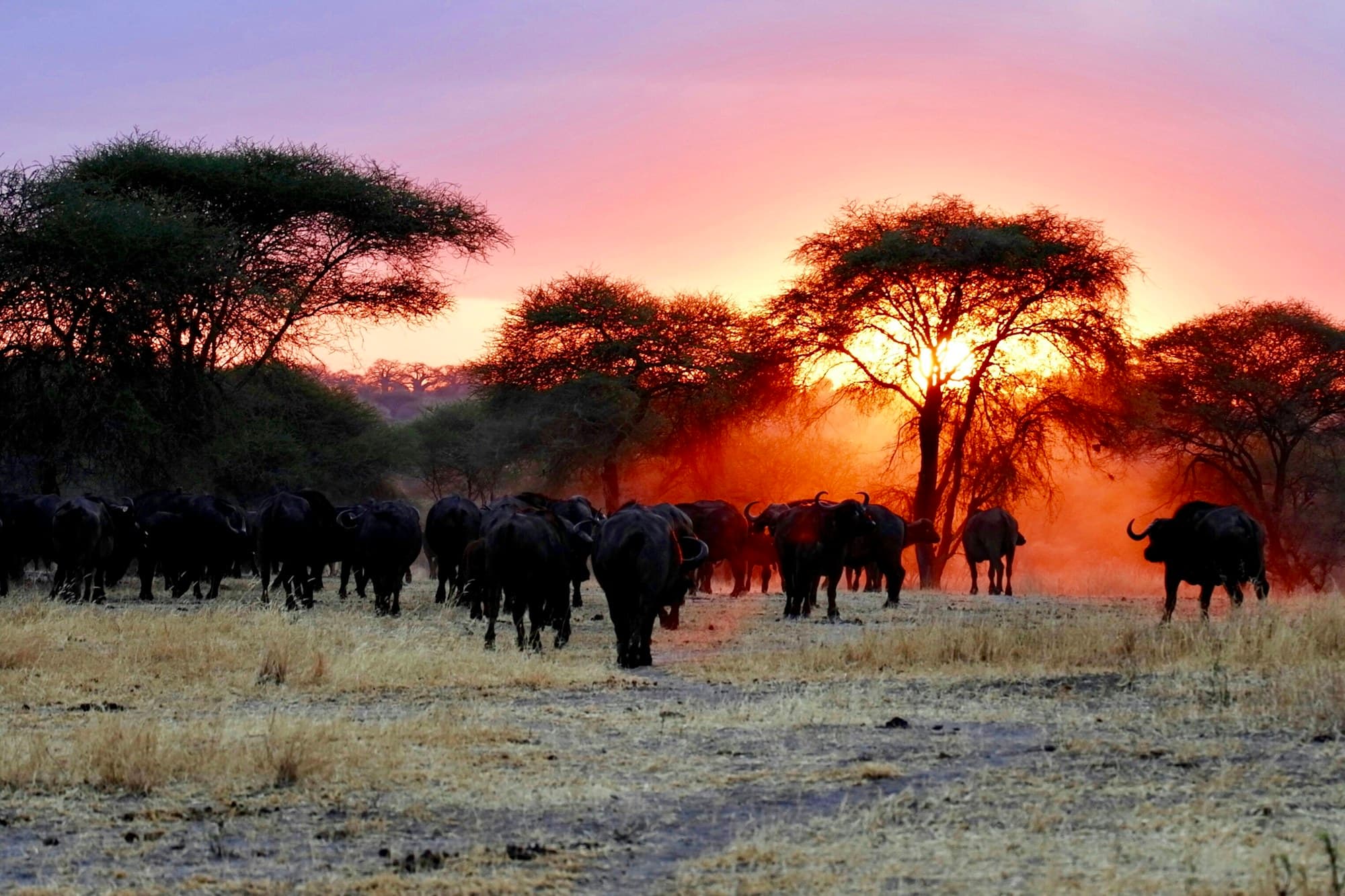
Herds moving through golden dust at a fiery Masai Mara sunset

Tanzania Travel Guide

Serengeti vs Masai Mara: Which Is Right for You?

One ecosystem, one migration, two very different ways to experience it.

The Serengeti and the Masai Mara are not rivals so much as two halves of one ecosystem. The wildebeest do not recognize the Tanzania–Kenya border; they move in a great, rain-driven loop that spends most of the year in Tanzania and, in a typical year, spills north into Kenya’s Mara from roughly July or August to October.

For travelers, though, the border matters enormously. There is no straightforward road transfer directly from the Masai Mara into the Serengeti as part of a normal safari drive. However, scheduled or seasonal connections may operate via Migori in Kenya and Tarime in Tanzania, combining flights with a road transfer through the official border crossing; otherwise the move means flying via Nairobi and Kilimanjaro, which takes most of a day. And the two sides are managed very differently: Tanzania’s vast national park on one side; Kenya’s compact national reserve, ringed by private conservancies, on the other. That shapes everything from crowds to what you can do after dark.

Here is how they compare, honestly — including where each falls short. For the country-level picture, see Kenya vs Tanzania.

Side by Side

SerengetiMasai Mara
Country & accessTanzania. Fly from Arusha (about 1–1.5 hours) or drive in through the Ngorongoro highlandsKenya. Fly from Nairobi (about 45 minutes to 1 hour) or drive — a long day on the road
SizeAbout 14,750 km², bordered by further protected areasAbout 1,500 km² of national reserve, plus surrounding private and community conservancies
LandscapeShort-grass plains in the south, kopjes and acacia in the center, rolling woodland and the Mara River in the northOpen, rolling grassland cut by the Mara and Talek rivers, with the Oloololo escarpment to the west
MigrationSomewhere in the ecosystem most of the year, including calving on the southern plains (roughly late January–February)Roughly July or August to October in a typical year; no calving season
River crossingsMara River in the northern Serengeti, roughly July–October; Grumeti River crossings possible around JuneMara and Talek rivers, roughly August–October
CrowdsSeronera busy in peak season; the north, south and west feel remote outside their key monthsThe reserve is busy at popular crossing points; conservancies cap guest and vehicle numbers
Beyond game drivesBalloon flights; walking and night drives only in select bordering areasBalloon flights; walking, night drives and off-road access to sightings in most conservancies
Lodging styleSeasonal mobile camps that follow the herds, plus permanent tented camps and lodges across a vast areaTented camps, many in small conservancies with a limited number of beds
Pairs well withThe Ngorongoro Crater, Tarangire and ZanzibarNairobi, Laikipia, Amboseli and the Kenya coast

Migration timing always depends on rainfall and varies from year to year. Sizes are approximate.

Choose the Serengeti if…

  • You are traveling outside July–October. For most of the year the herds are in Tanzania, and a well-routed Great Migration safari follows them.
  • You want the calving season on the southern plains around Ndutu, when predators shadow a wave of newborn wildebeest, roughly late January–February.
  • You value scale and solitude. In the northern, southern and western sectors outside their peak months, you can drive for long stretches without another vehicle.
  • You want to pair the migration with the Ngorongoro Crater — the region’s most reliable place to look for black rhino — and finish on Zanzibar.
  • You have eight days or more, which the Serengeti’s distances reward.

Choose the Masai Mara if…

  • Your dates fall between roughly August and October and your time is short. The Mara is compact, and three or four nights cover it well.
  • You want what the national parks restrict — guided walks, night drives and off-road access to sightings — which most private conservancies offer.
  • You prefer small camps with limits on vehicles, and like a model in which conservancy fees help pay Maasai landowners to set their land aside for wildlife.
  • You are combining with other parts of Kenya, such as Laikipia or Amboseli.
  • You want Nairobi’s international connections, with the Mara under an hour away by light aircraft.

Or combine both

With around two weeks, you need not choose. A combined itinerary follows the herds wherever they are and adds what each country does best: the Mara’s conservancies on one side, the Ngorongoro Crater and the Serengeti’s scale on the other.

The routing is simple but takes a day: a light aircraft from the Mara to Nairobi, a flight of about an hour to Kilimanjaro, then about an hour by road to Arusha — or the same in reverse. You need Kenya’s electronic travel authorization as well as a Tanzania visa; see our Tanzania visa guide and check both official portals before you travel.

Our 13-day Tanzania and Kenya safari is built this way, with three nights in a Mara conservancy followed by Tarangire, Ngorongoro and four nights in the Serengeti. For more ideas north of the border, explore our Kenya safaris.

Safaris

Recommended safaris

Herds moving through golden dust at a fiery Masai Mara sunset
13 daysTwo countries

Tanzania + Kenya

Nairobi · Masai Mara · Kilimanjaro Airport · Arusha · Tarangire · Ngorongoro Crater · Central Serengeti

Travelers who want the Mara and the Serengeti in one well-connected trip

Best months
June – October and December – February
Comfort levels
Premium · Luxury · Ultra-Luxury
Individually quoted
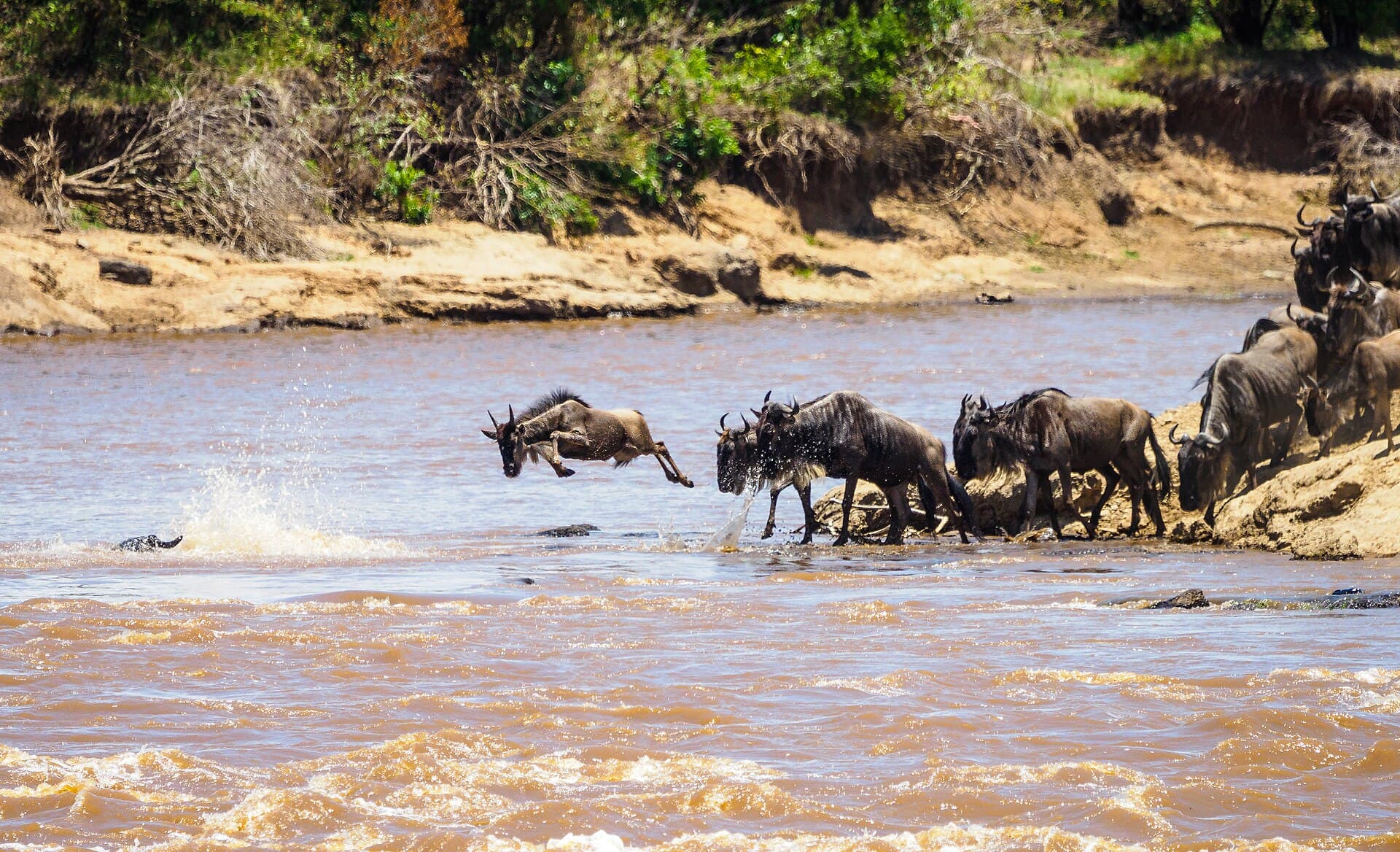
Wildebeest leaping into the Mara River during the Great Migration crossing
10 daysJul–Oct

Northern Serengeti River Crossing

Arusha · Tarangire · Ngorongoro Crater · Central Serengeti · Northern Serengeti

Travelers set on seeing a river crossing, with the patience to wait for one

Best months
July – October
Comfort levels
Premium · Luxury · Ultra-Luxury
Individually quoted
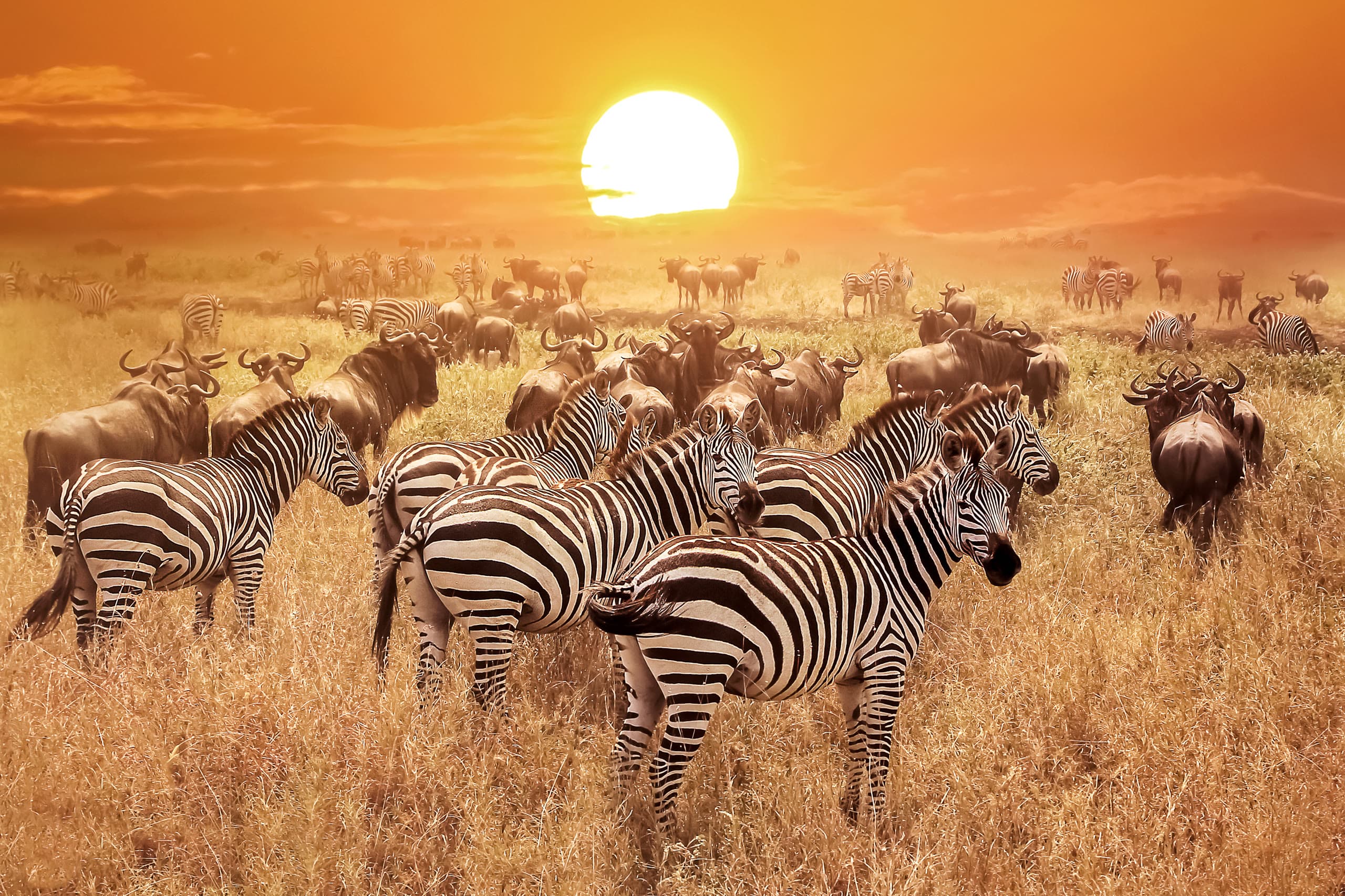
Zebra and wildebeest herds grazing at golden sunset during the Great Migration
9 daysMigration

Great Migration Safari

Arusha · Ngorongoro Crater · Central Serengeti · Northern Serengeti

Travelers who want the migration at the center of the trip, whatever month they can travel

Best months
Year-round — routed to the herds
Comfort levels
Premium · Luxury · Ultra-Luxury
Individually quoted
Experiences

Related experiences

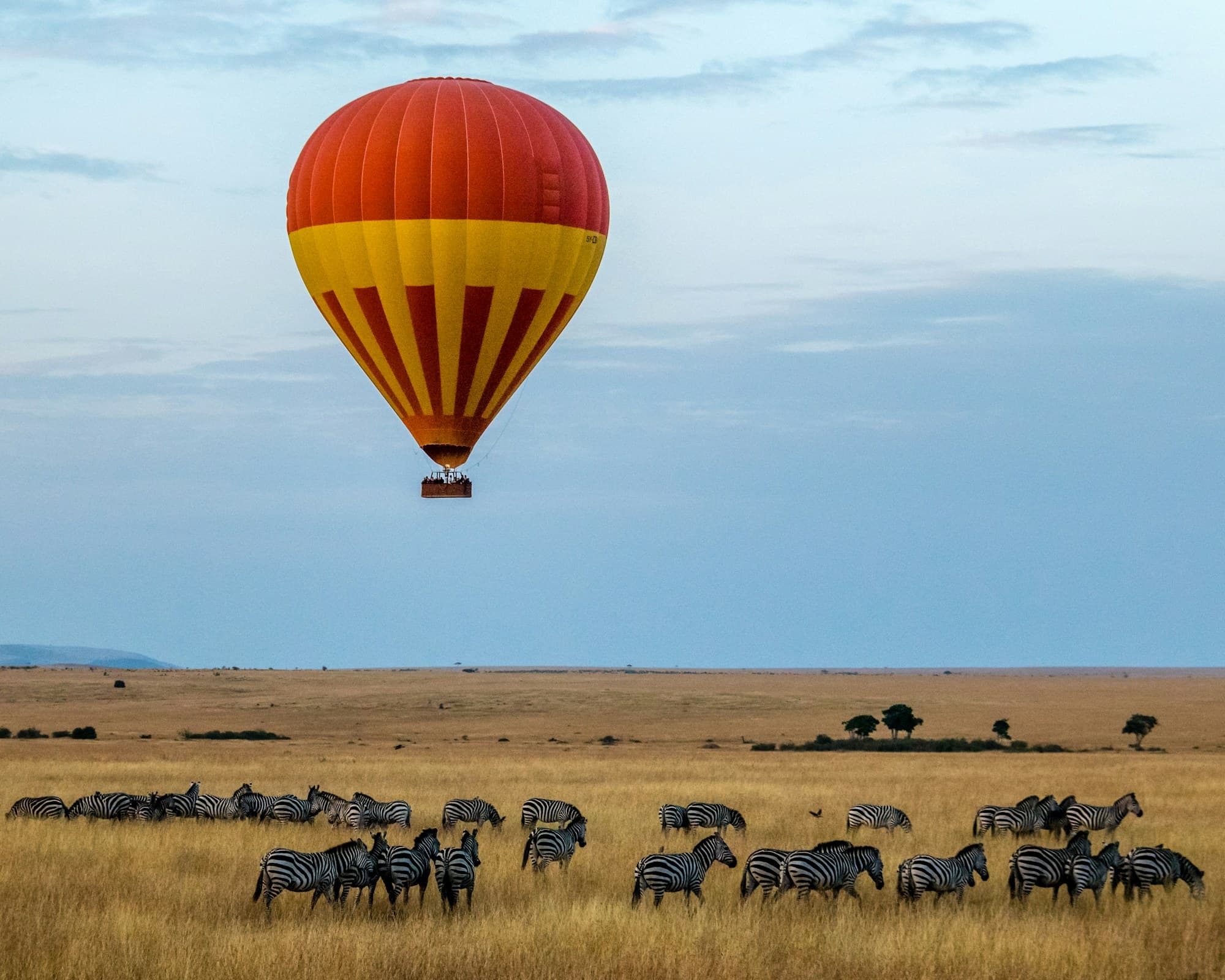
Aerial view over savanna herds from a hot-air balloon at first light

In the air

Serengeti Hot-Air Balloon Safari

Drift over the Serengeti at first light as the plains wake beneath you, then land for a champagne breakfast in the bush.

Getting around

Fly-In Safari

Hop between parks by light aircraft, trading long drives for more time on the ground and a bird’s-eye view of the country in between.

Good to know

Frequently asked questions

Can you drive from the Serengeti to the Masai Mara?

Not as part of a normal safari drive: even though the two share a boundary, there is no straightforward road transfer from one reserve into the other. A scheduled or seasonal link may run via Migori in Kenya and Tarime in Tanzania, pairing flights with a road transfer through the official border post, so we check whether it operates for your dates. The usual alternative is flying via Nairobi and Kilimanjaro, which takes most of a day, so either way it is best planned as a travel day.

Which is better for the Great Migration?

It depends on when you travel. From roughly November to July the herds are in Tanzania, so the Serengeti is the clear choice. Between about August and October both sides can be excellent, with herds on either bank of the Mara River. Timing always depends on the rains, so we route you to where the herds are likely to be.

Is the Masai Mara more crowded than the Serengeti?

The national reserve can be, particularly at well-known crossing points in August and September. The private conservancies around it limit guest and vehicle numbers, which changes the experience markedly. In the Serengeti, the central Seronera area gets busy in peak season, while the northern, southern and western areas are much quieter outside their key months.

Which is better for big cats?

Both are known for exceptional lion, cheetah and leopard viewing, and sightings are never certain in either. The Mara’s compact size and the conservancies’ off-road rules can bring you closer; the Serengeti’s scale means more ground and, in quieter sectors, fewer vehicles at each sighting. For black rhino, the Ngorongoro Crater is the more reliable option.

How many nights do I need in each?

Three to four nights suits the Masai Mara, especially in a single conservancy. In the Serengeti, plan three nights for one area and five or six to combine the central plains with a seasonal area such as Ndutu or the north. For a park-by-park breakdown, see how many days you need in Tanzania.

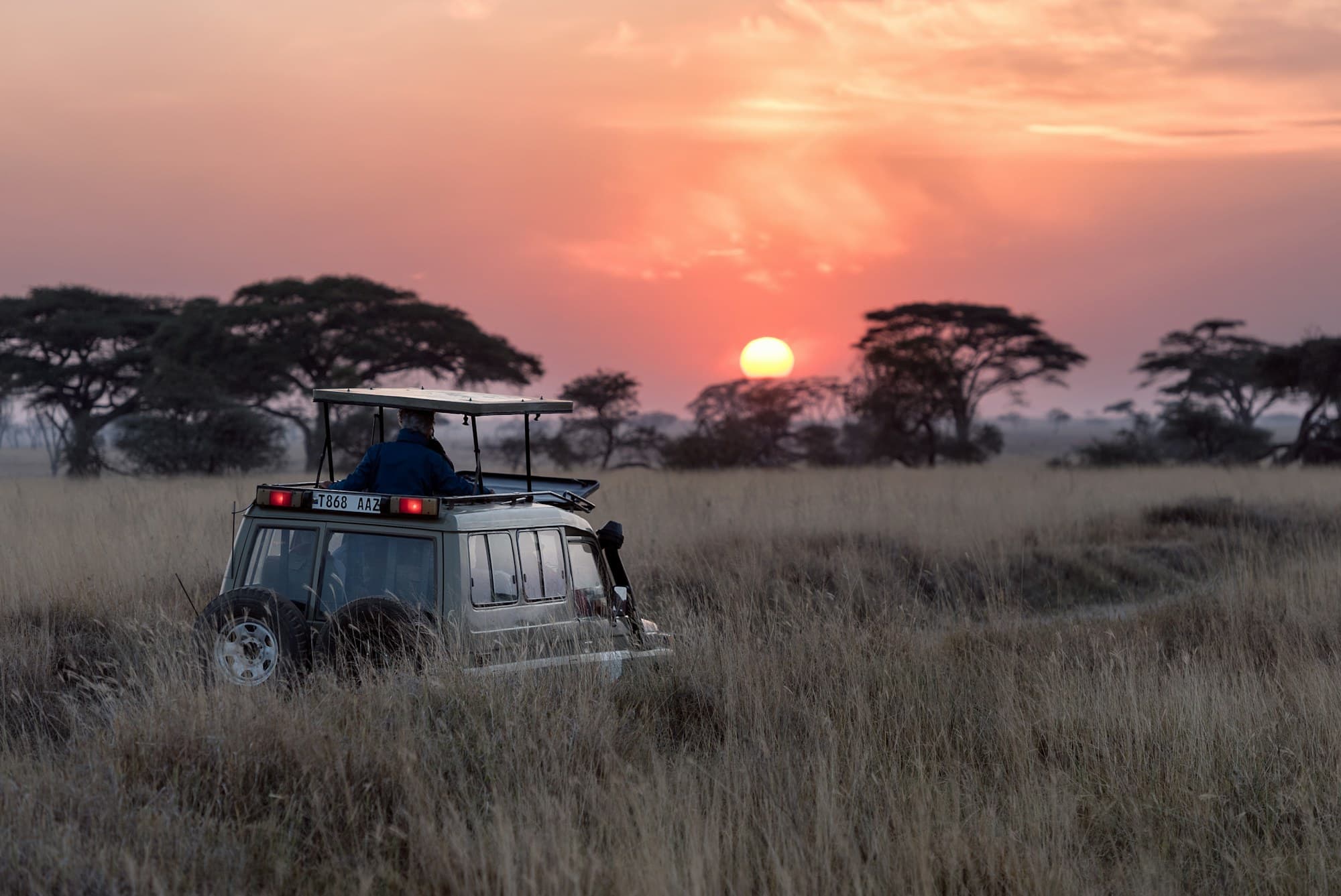
Open safari vehicle with guests on the savanna beneath a dramatic sunset

Tell Us Your Dates

Share when you want to travel, who is coming and what you hope to see. A safari specialist will design a private Tanzania journey around you — no obligation, and nothing booked until you approve it.

Start Designing My Safari